
Why in news?
Archaeologists investigating an ancient shipwreck near the entrance to the Singapore Strait have uncovered a treasure trove of Yuan dynasty blue‑and‑white porcelain. The find, reported in February 2026, represents the largest cargo of such ceramics ever recovered from a shipwreck and sheds light on regional trade during the 14th century.
Background
The ship, known as the Temasek Wreck, sank in the mid‑14th century near modern‑day Singapore (then called Temasek). It is the oldest historic shipwreck found in Singapore waters. Excavations between 2016 and 2019 recovered roughly 3.5 tonnes of ceramics and a few intact artefacts. The cargo provides rare evidence of maritime commerce linking southern China with Southeast Asia.
Key discoveries
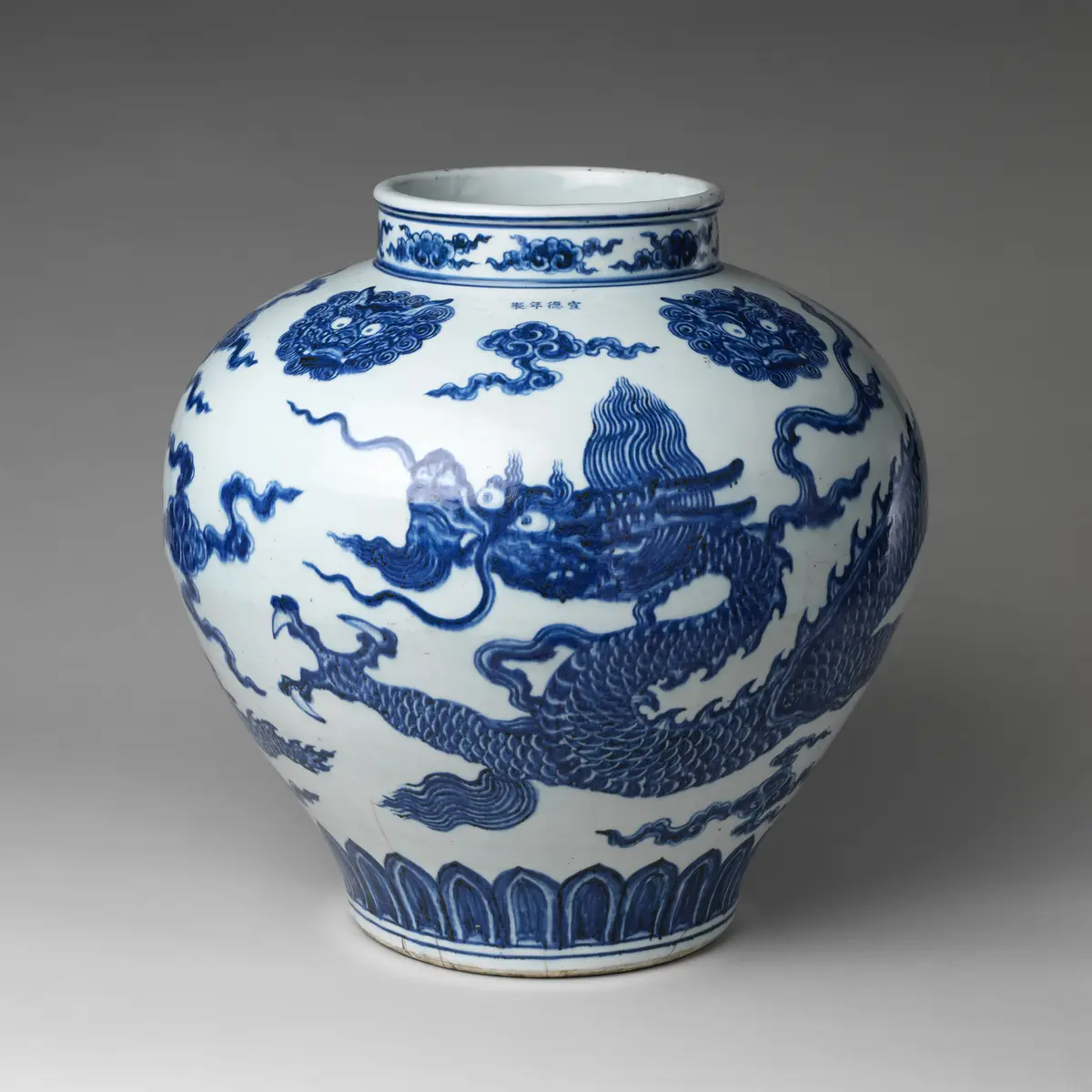
- Largest porcelain haul: More than 2,350 pieces of Yuan dynasty blue‑and‑white porcelain were recovered, weighing about 136 kilograms. The haul includes bowls, dishes and jars decorated with motifs such as mandarin ducks in lotus ponds, dragons and floral patterns. Scholars note that this is the largest collection of Yuan porcelain ever found on a shipwreck.
- Diverse ceramics: Besides blue‑and‑white porcelain, the cargo contained Longquan celadon (green‑glazed ware), Jingdezhen gingbai (bluish‑white), Dehua whiteware and Fujian greenware, indicating loading from multiple kiln centres in southern China.
- Dating the voyage: Production of blue‑and‑white ware began in the late 1320s. Disruptions caused by the Red Turban Rebellion (1352) suggest the ship sailed between 1340 and 1352. The dominance of Chinese ceramics and absence of forms typical of the Indian Ocean trade imply the vessel was bound for Temasek rather than the Middle East.
- Historical context: The cargo indicates Temasek was a thriving trading hub in the 14th century. The assemblage serves as a reference for identifying similar Yuan ceramics found elsewhere.
Significance
- Economic history: Offers concrete evidence of maritime commerce between China and Southeast Asia during the Mongol‑ruled Yuan dynasty.
- Cultural insights: Provides a window into the tastes and consumption patterns of elites and commoners in 14th‑century Temasek.
- Archaeological value: Because the wreck represents a single voyage, the cargo helps date other finds and reconstruct trade routes.
Source: Discover Magazine

