Why in news?
A New Delhi court has convicted a Jaipur art gallery owner for attempting to export Shahtoosh shawls made from the hair of the Tibetan antelope. The case, investigated by the Wildlife Crime Control Bureau and the Central Bureau of Investigation for nearly 17 years, resulted in a three‑year prison sentence and fine. The conviction underscores India’s commitment to combating illegal trade in endangered species.
Background
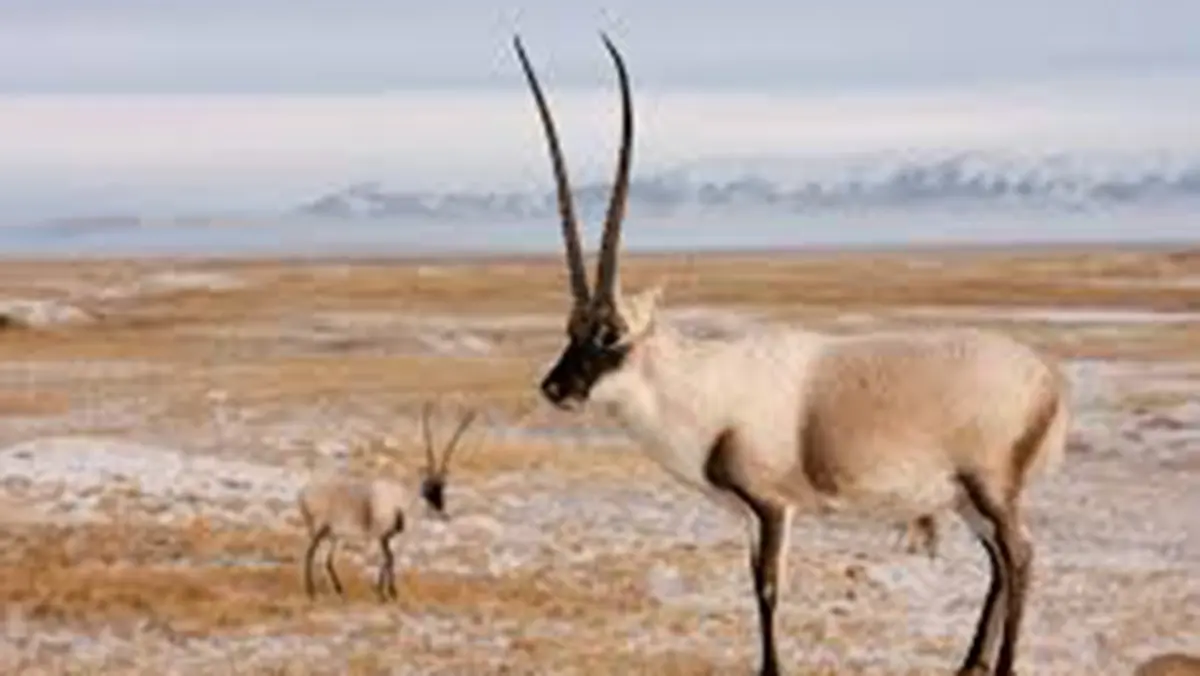
The Tibetan antelope, locally called chiru (Pantholops hodgsonii), is a medium‑sized antelope adapted to the frigid Qinghai–Tibetan plateau. It has a thick woolly coat and, in males, long slender horns. The animals live in herds at high altitudes between 3,250 and 5,500 metres, feeding on grasses and alpine shrubs. Poachers once killed tens of thousands of antelopes for their fine underfur, which can be spun into Shahtoosh – a soft, warm shawl that became a luxury item. Each shawl requires hair from three to five animals, leading to severe population declines.
The landmark case
- Seizure and investigation: In December 2008, customs officials at Delhi’s international airport found a consignment of 1,290 shawls suspected to contain Tibetan antelope hair. The Wildlife Crime Control Bureau filed a complaint with the CBI, marking the first time a wildlife offence was prosecuted by the CBI.
- Evidence collection: Forensic tests by the Wildlife Institute of India confirmed Tibetan antelope fibres in 41 shawls. The case required coordination between the WCCB, CBI, Customs and scientists over several years.
- Verdict: In March 2026, the court sentenced the gallery owner to three years in jail and imposed a fine. The judgement emphasised that Shahtoosh trade is banned under India’s Wildlife (Protection) Act, 1972, and the Convention on International Trade in Endangered Species (CITES).
About the Tibetan Antelope
- Status: The species is listed as Near Threatened on the IUCN Red List, placed in CITES Appendix I and protected under Schedule I of India’s Wildlife Act. These designations prohibit hunting and trade.
- Biology: Males are larger than females and sport long horns and dark facial markings, while females lack horns. The animals migrate seasonally, travelling up to 400 kilometres between summer and winter pastures.
- Conservation threats: Although populations have rebounded from a nadir of around 65,000 in the 1990s to over 150,000 today, chiru remain vulnerable to poaching, habitat fragmentation, competition with livestock and climate change.
Significance
- Wildlife protection: The successful prosecution demonstrates that wildlife crimes can be investigated and punished despite lengthy timelines. It may deter future offenders.
- Consumer awareness: Highlighting the cruelty behind Shahtoosh production can discourage demand for such luxury items.
- Need for vigilance: Continued monitoring of borders, stricter enforcement and cooperation between agencies are vital to safeguard endangered species.
Conclusion
The court verdict sends a strong message against the illegal wildlife trade. Protecting the Tibetan antelope requires enforcement of existing laws, raising public awareness and supporting conservation in its high‑altitude habitat.
Source: Press Information Bureau; IFAW