Why in news?
The Reserve Bank of India has proposed easing the onboarding process for micro, small and medium enterprises (MSMEs) on Trade Receivables Discounting System platforms by removing the requirement for banks to perform due diligence on new sellers. The proposal, announced during the April 2026 monetary policy announcement, is intended to broaden access to working capital.
Background
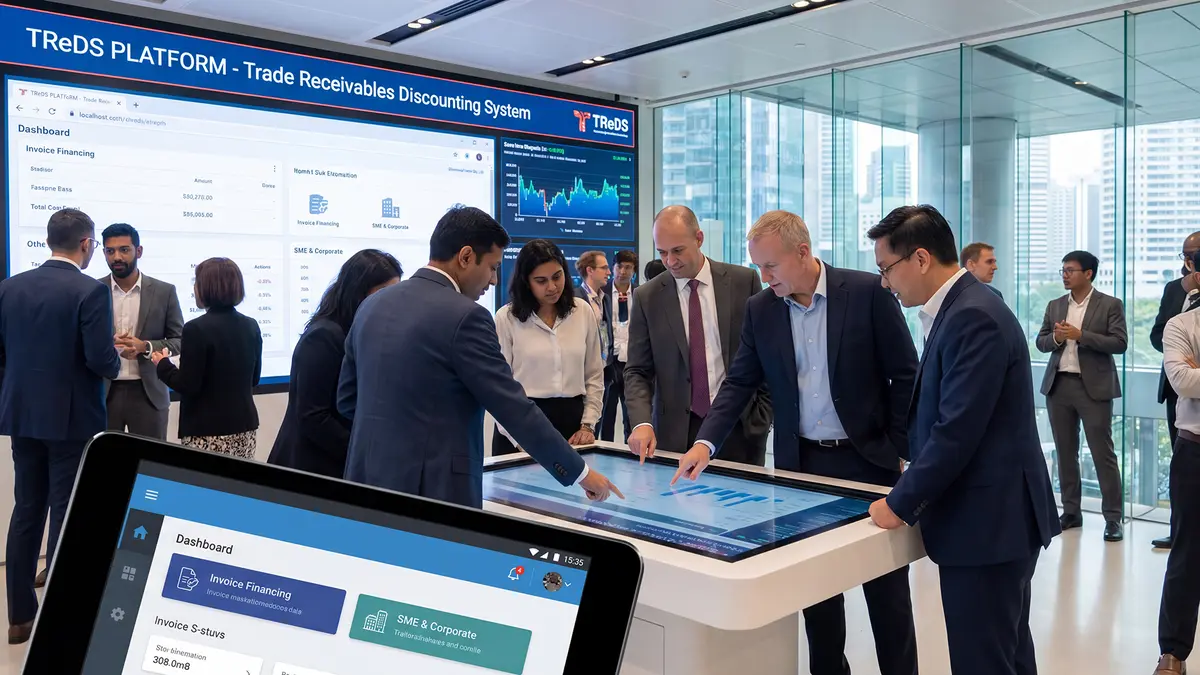
TReDS is an electronic marketplace introduced in 2017 that allows MSME suppliers to sell their invoices to financiers at a discount. Buyers—usually large corporates, public sector undertakings or government departments—upload approved invoices. Registered financiers then bid to purchase these receivables, enabling suppliers to receive funds quickly. Three licensed platforms—RXIL, Invoicemart and M1xchange—operate in India and are regulated by the RBI. Prior guidelines required banks to carry out know‑your‑customer checks on MSME sellers before financing their invoices.
RBI’s recent proposals
- Simplified onboarding: Banks and financiers would no longer need to conduct separate due diligence on MSMEs beyond what the platforms already perform, reducing paperwork and costs.
- Public consultation: The RBI will release draft directions and invite comments from stakeholders before finalising the amended guidelines.
- Previous reforms: In 2023, insurance companies were permitted to participate in TReDS to offer credit insurance, and corporate buyers were encouraged to join the platform to deepen the marketplace.
Significance
- Liquidity for MSMEs: By enabling quicker invoice discounting, TReDS reduces payment delays and helps small suppliers manage working capital more efficiently.
- Digital transparency: The platform provides a digital trail of transactions, reducing disputes and enhancing trust between buyers and sellers.
- Financial inclusion: Easier onboarding lowers barriers for small businesses to access formal finance, complementing government initiatives like the MSME credit guarantee scheme.
Conclusion
The proposed relaxation of due‑diligence requirements could encourage greater participation on TReDS and help address persistent liquidity constraints faced by MSMEs. However, robust risk management and continued participation of large buyers will remain critical to the platform’s success.
Source: The Hindu