
Why in news?
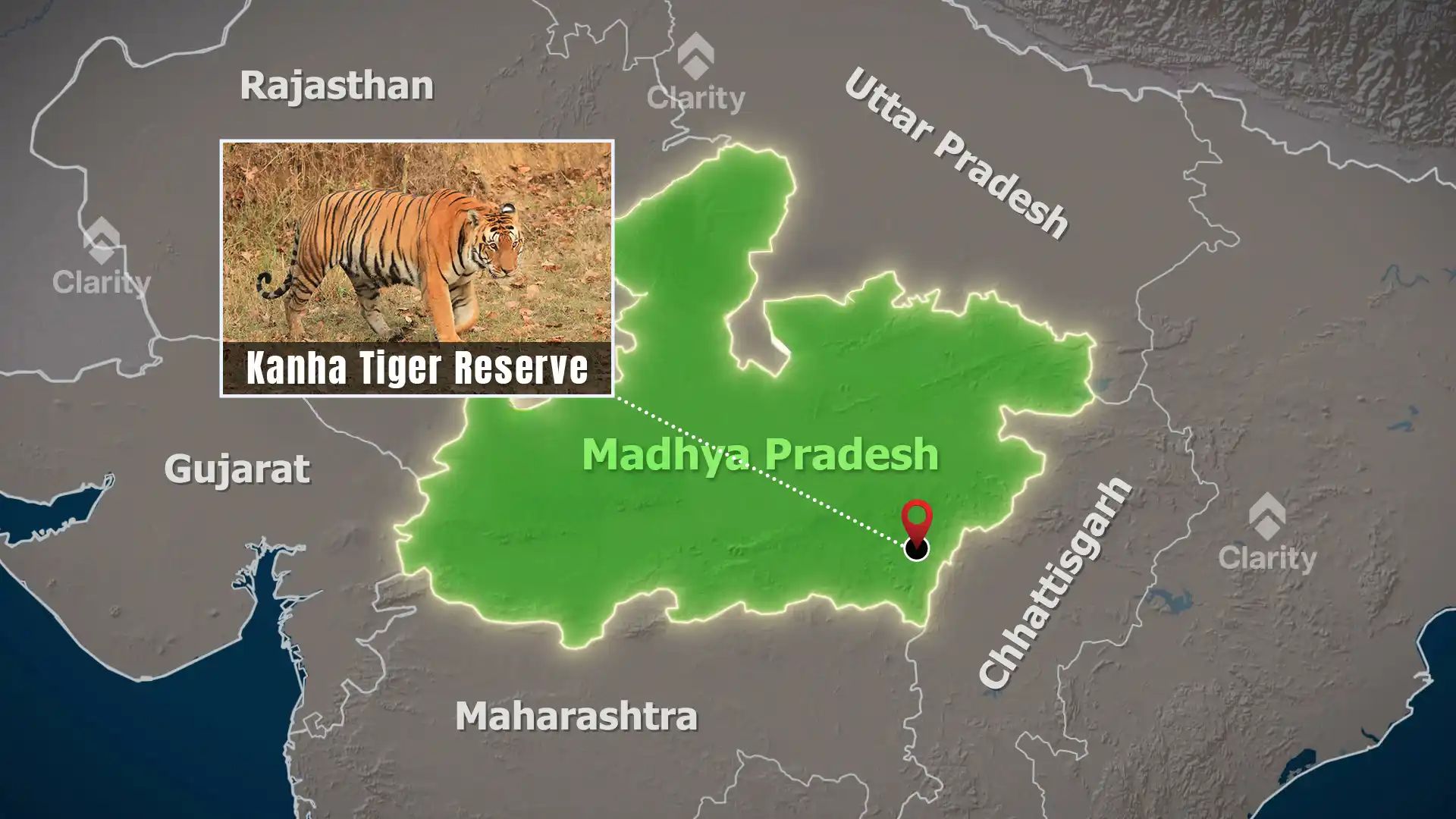
Authorities have launched a plan to relocate Asiatic wild water buffaloes from the Kaziranga National Park in Assam to the Kanha Tiger Reserve in Madhya Pradesh. The first phase of translocation, scheduled in mid‑March 2026, will involve moving a small group of animals.
Background
The Asiatic wild water buffalo (Bubalus arnee) is listed as Endangered on the IUCN Red List. Historically, wild buffaloes roamed central India, but populations declined due to habitat loss and hunting. Kaziranga now holds more than 1,000 individuals and is considered a stronghold for the species. Kanha lost its native population decades ago.
Translocation plan
- Objective: To restore a viable population in Kanha and reduce the risk of disease or disaster wiping out the entire species concentrated in one area.
- Number of animals: About 50 buffaloes are to be moved in phases; the initial phase will move 5–6 animals, with plans to increase to 15 once feasibility is proven.
- Method: Wildlife teams will tranquilise, capture and transport the buffaloes by road. A mock drill was conducted in Kaziranga to prepare for the operation.
- Rationale: Kanha offers suitable grasslands and water bodies. Bringing buffaloes back will help restore ecological balance and genetic diversity.
Significance
This is one of India’s major species re‑introduction programmes. By expanding the geographic range of an endangered species, conservationists hope to build resilience against disease outbreaks and climate events. The project underscores the importance of interstate cooperation in wildlife management.
Source: The Assam Tribune

