

Why in news?
The city of Gandhinagar in Gujarat has recorded a spike in typhoid cases during late December 2025 and early January 2026. Leaks in recently laid pipelines allowed sewage to mix with the drinking water, leading to contamination and over 70 confirmed cases in sectors 24, 26, 28 and nearby localities. Authorities have opened a special ward, launched door‑to‑door surveillance and super‑chlorinated the water supply while advising residents to boil drinking water.
Background
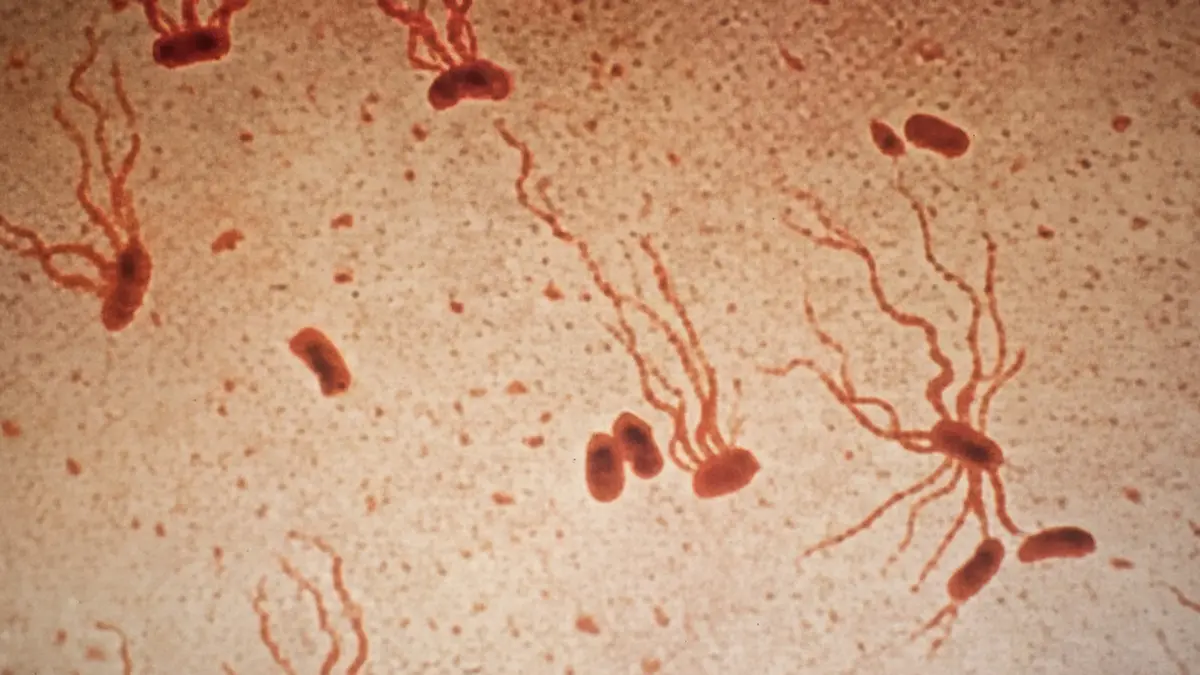
Typhoid fever is a life‑threatening infection caused by the bacterium Salmonella Typhi. The disease is transmitted when faecal matter from an infected person contaminates food or water and is then ingested by others. Unlike many other infectious diseases, typhoid has no animal host; transmission is strictly human to human. The bacteria multiply in the intestines and enter the bloodstream, spreading to other parts of the body. Typhoid is most common in regions with inadequate sanitation and limited access to clean water, such as parts of South Asia, Southeast Asia, Latin America and sub‑Saharan Africa.
Transmission and spread
- Contaminated food and water: Drinking water or food contaminated with sewage is the primary route of infection. Once ingested, the bacteria colonise the small intestine and eventually invade the bloodstream.
- Human carriers: People recovering from typhoid may continue to shed the bacteria in their stool or urine for weeks or months without experiencing symptoms. These carriers can inadvertently contaminate food and water supplies.
- Areas with poor sanitation: Lack of proper sewage disposal systems and inadequate hygiene practices allow the bacteria to spread quickly through communities.
Symptoms
The illness usually develops one to three weeks after exposure. It begins with high fever, headache, fatigue and abdominal pain. As the infection progresses, patients may experience either constipation or diarrhoea, loss of appetite, a characteristic rose‑coloured rash and confusion. Severe cases can lead to intestinal bleeding or perforation, shock and even death if untreated. Some people become chronic carriers without showing any symptoms.
Prevention and treatment
Typhoid fever can be effectively treated with appropriate antibiotics, yet antimicrobial resistance is increasingly common and makes treatment more complicated. Preventive measures are crucial:
- Access to safe drinking water and improved sanitation infrastructure are the most reliable defences against typhoid.
- Vaccination offers additional protection, especially for travellers to high‑risk areas and populations in endemic regions.
- Personal hygiene practices such as boiling water, handwashing with soap and safe food preparation reduce transmission.
Sources: The Times Of India