

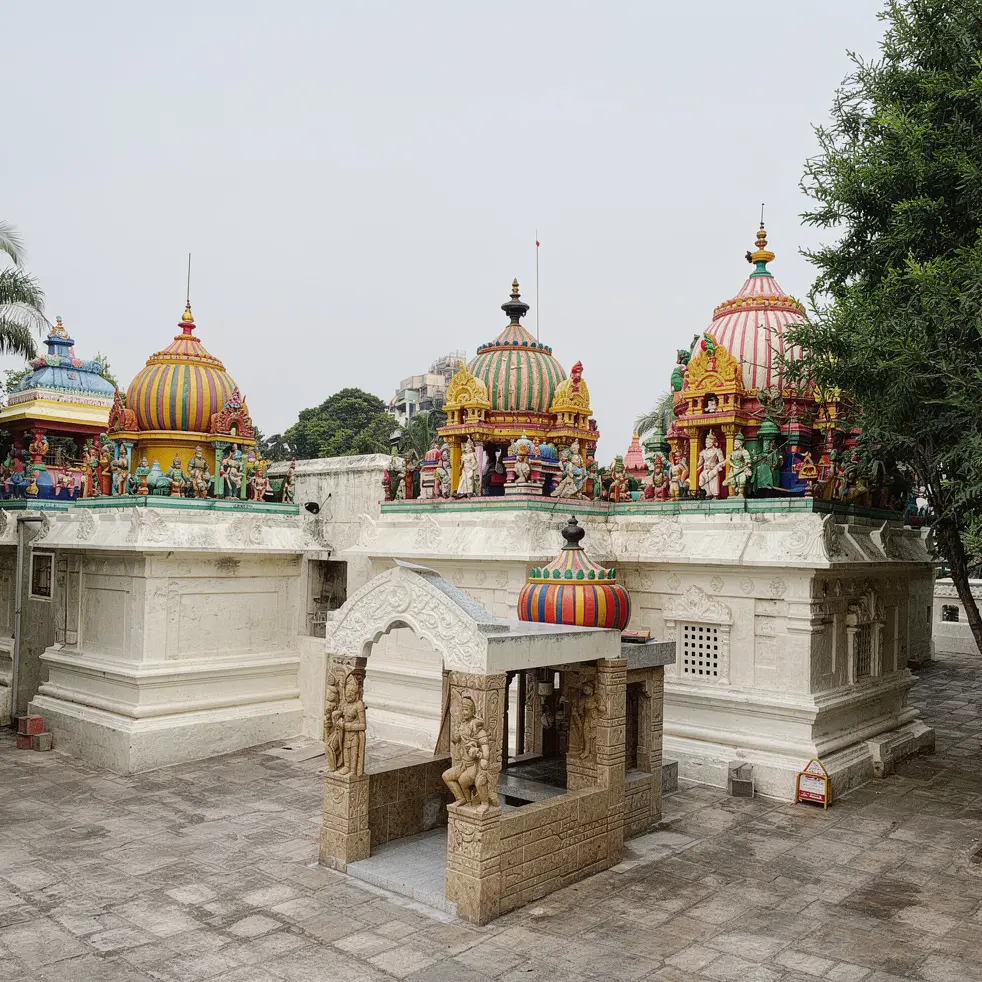
Why in news?
A historic Hindu temple in Durban, South Africa – the Umbilo Shree Ambalavaanar Alayam – faces a severe financial crisis. Local authorities warned of cutting off municipal services after large unpaid utility bills, and allegations of mismanagement have prompted the temple’s trustees to request a forensic audit. The South African Hindu Maha Sabha is urging the diaspora community to help safeguard this 151‑year‑old cultural landmark.
Background
The temple was established by Indian indentured labourers who arrived in Natal in the 19th century. Built between the early 1860s and 1870s, it is considered the first Hindu temple in South Africa and has been declared a national heritage site. Dedicated to the goddess Ambalavaanar, it served as a spiritual and social centre for the Indian diaspora, hosting festivals, weddings and community meetings. For generations it has symbolised the perseverance of Indian immigrants who worked on sugar plantations yet preserved their faith and culture in a foreign land.
Key points
- Location: The temple stands on Umbilo Road in Durban’s eThekwini municipality. Its original structure was built using local brick and timber, and later expansions added prayer halls and shrines.
- Heritage status: South Africa’s Heritage Resources Agency recognises the temple as a historic monument. It reflects early Tamil architecture and contains murals and statues brought from India.
- Financial crisis: An outstanding municipal bill of around half a million rand threatens essential services such as water and electricity. Community members allege misappropriation of funds, prompting calls for a forensic audit and greater transparency in temple management.
- Community response: The South African Hindu Maha Sabha and local devotees are mobilising donations to pay the arrears. They have emphasised that saving the temple is about preserving history and identity, not merely clearing debts.
Significance
Umbilo Shree Ambalavaanar Alayam is more than a place of worship – it is a tangible link to the earliest Indian settlers in South Africa. Protecting it ensures that future generations understand how indentured labourers overcame hardship and maintained their traditions far from home. The ongoing crisis also highlights the need for accountable management of community institutions and the importance of public support in preserving cultural heritage.
Sources: Devdiscourse