
Why in news?
Recent disruptions in global trade and energy supplies, including the temporary declaration of force majeure on some Gulf oil shipments amid regional conflicts, have raised interest in the concept of force majeure in contracts. Knowing how this clause operates is important for businesses and individuals in India.
Background
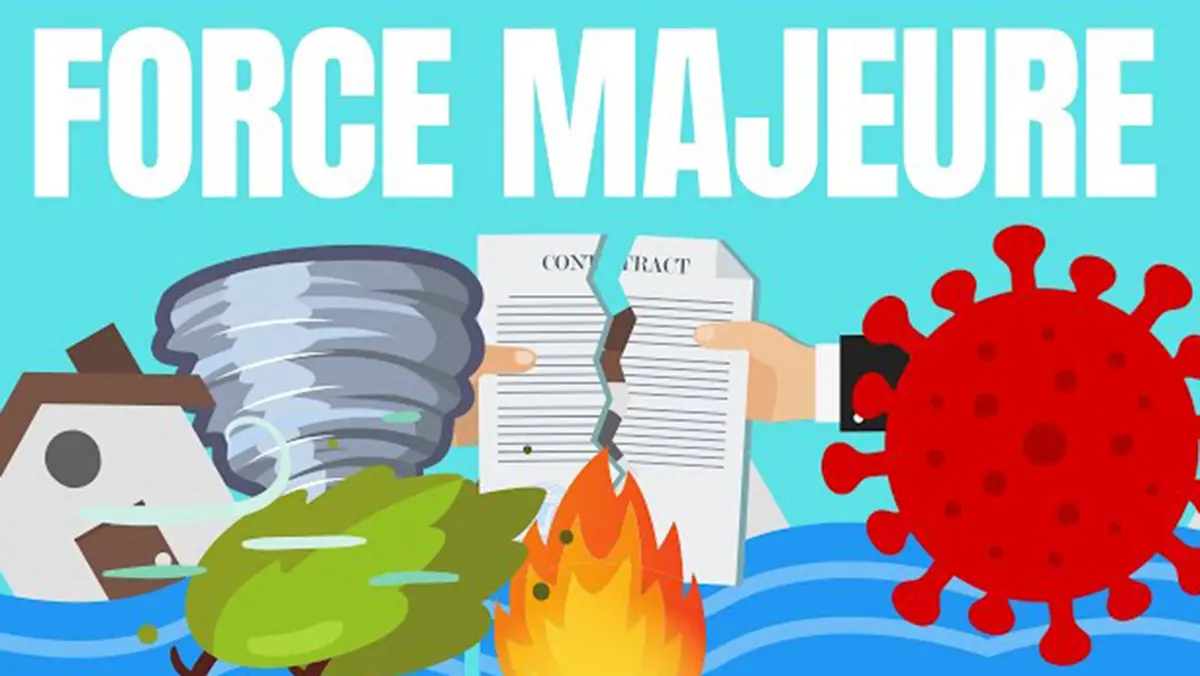
The term force majeure originates from French and literally means “superior force.” In legal usage it refers to an unforeseen event—such as a natural disaster, war or government action—that prevents one or both parties to a contract from fulfilling their obligations. The Indian Contract Act, 1872 does not explicitly define force majeure, but Section 32 covers contingent contracts that become void if an agreed event becomes impossible. Section 56 (the doctrine of frustration) states that a contract becomes void if performance is impossible or unlawful after the contract is made. Force majeure clauses are inserted into contracts to allocate risk when extraordinary events occur.
Essentials of a force majeure clause
- Event beyond control: The event must be beyond the control of the parties and render performance of the contract impossible or impracticable.
- Unpredictability: The event must be unforeseen and could not have been anticipated by ordinary diligence.
- No fault: The non‑performing party must not be responsible for causing the event.
- Notice and mitigation: Many contracts require the affected party to inform the other party promptly and to take reasonable steps to mitigate losses.
Implications
When properly invoked, a force majeure clause can excuse a party from performance without liability for breach. Depending on the wording, it may allow suspension of obligations, extension of time or termination of the contract. If a contract lacks such a clause, the doctrine of frustration under Section 56 may apply, but courts interpret these provisions narrowly. Therefore, drafting clear force majeure clauses is critical for managing risks in projects and supply contracts.
Source: Aljazeera

