
Why in news?
A study published in Neurology and reported in early April 2026 found that people with higher vitamin D levels in their 30s and 40s had fewer deposits of tau protein in their brains many years later. Tau is a biomarker linked to Alzheimer’s disease. The research suggests that maintaining adequate vitamin D during midlife could contribute to long‑term brain health.
Background
Vitamin D is a fat‑soluble hormone synthesised in the skin when exposed to sunlight and obtained from dietary sources like fatty fish, egg yolks and fortified foods. It plays a crucial role in calcium absorption, bone mineralisation, immune function and cell growth regulation. In India, widespread deficiency has been termed a “silent epidemic”. A 2025 report by the Indian Council for Research on International Economic Relations (ICRIER) estimated that more than 20 % of Indians have very low vitamin D levels, with prevalence exceeding 38 % in eastern states. Limited sun exposure, air pollution, sedentary lifestyles, dietary gaps and high costs of testing and supplements are key contributors.
Key findings from the 2026 study
- Long‑term cohort: Researchers followed 793 adults for about 16 years. Participants were around 39 years old when enrolled and did not have dementia at the start.
- Vitamin D levels: Blood tests measured vitamin D once at baseline. Levels above 30 ng/mL were considered high, while lower levels were deemed inadequate.
- Brain scans: About 16 years later, participants underwent PET scans to measure tau and amyloid beta proteins. Those with higher baseline vitamin D levels had significantly lower tau burden but no clear difference in amyloid beta.
- Interpretation: The study shows association, not proof of causation. Researchers caution that vitamin D alone may not prevent dementia but could be one modifiable factor among many.
Vitamin D status in India
- Prevalence of deficiency: The ICRIER study found that one in five Indians suffer from severe deficiency. Urban residents, women, children and the elderly are particularly vulnerable.
- Health consequences: In children, deficiency leads to rickets, causing soft bones and skeletal deformities. In adults it can cause osteomalacia, muscle weakness and increased risk of fractures. Emerging research links deficiency to depression, cardiovascular disease and immune dysfunction.
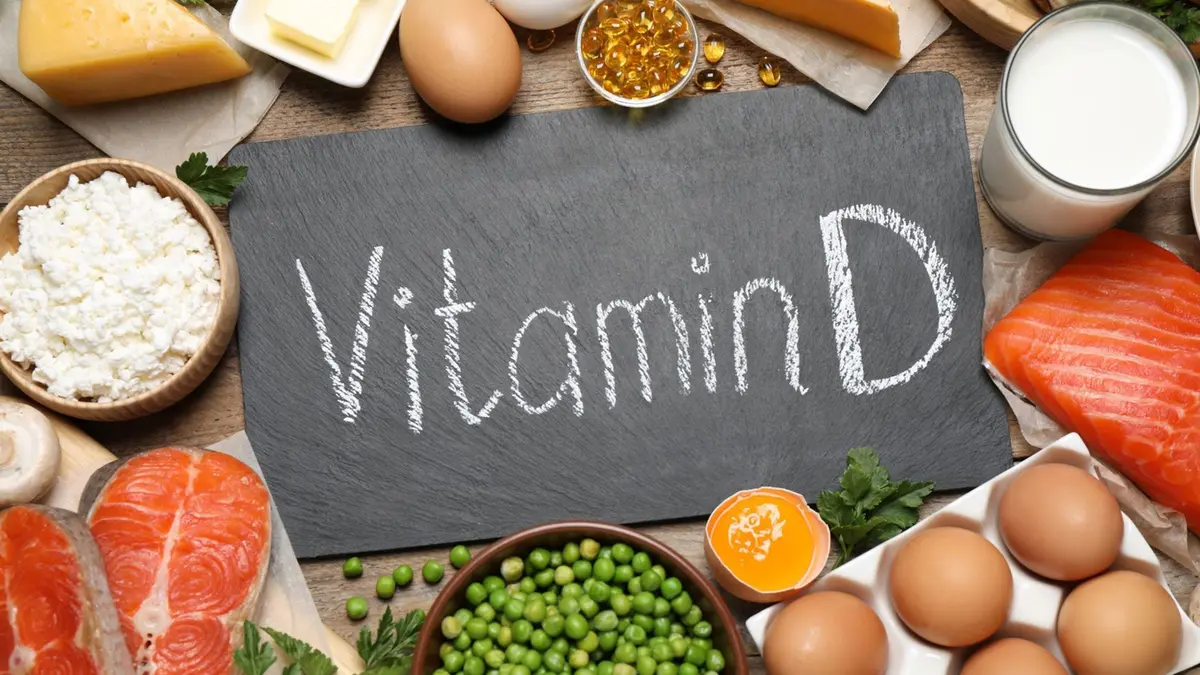
- Sources and recommendations: The Indian Council of Medical Research recommends 400–600 IU of vitamin D per day for most adults. Safe sunlight exposure (without sunscreen) for 15–30 minutes several times a week and consumption of foods like oily fish, mushrooms, fortified milk and supplements can help. However, testing and supplements remain expensive for many; a bottle of 10 tablets can cost ₹50–130, and tests often exceed ₹1,500.
Significance
- Public health awareness: Studies linking vitamin D to brain health reinforce the need for awareness campaigns. Integrating vitamin D into nutrition programs like PM Poshan (mid‑day meal scheme) could improve outcomes for vulnerable groups.
- Policy action: Experts recommend a national strategy that includes mandatory fortification of staple foods, subsidised testing, affordable supplements and targeted supplementation for pregnant women, infants and the elderly.
- Lifestyle choices: Encouraging outdoor physical activity, reducing air pollution and promoting diversified diets can address underlying causes of deficiency.
Conclusion
The 2026 study adds to a growing body of evidence that adequate vitamin D benefits more than just bones. In India, where deficiency is widespread, addressing this nutrient gap through sun exposure, fortification and affordable supplements could improve public health and potentially support cognitive well‑being later in life.
Source: NDTV

