

Why in news?
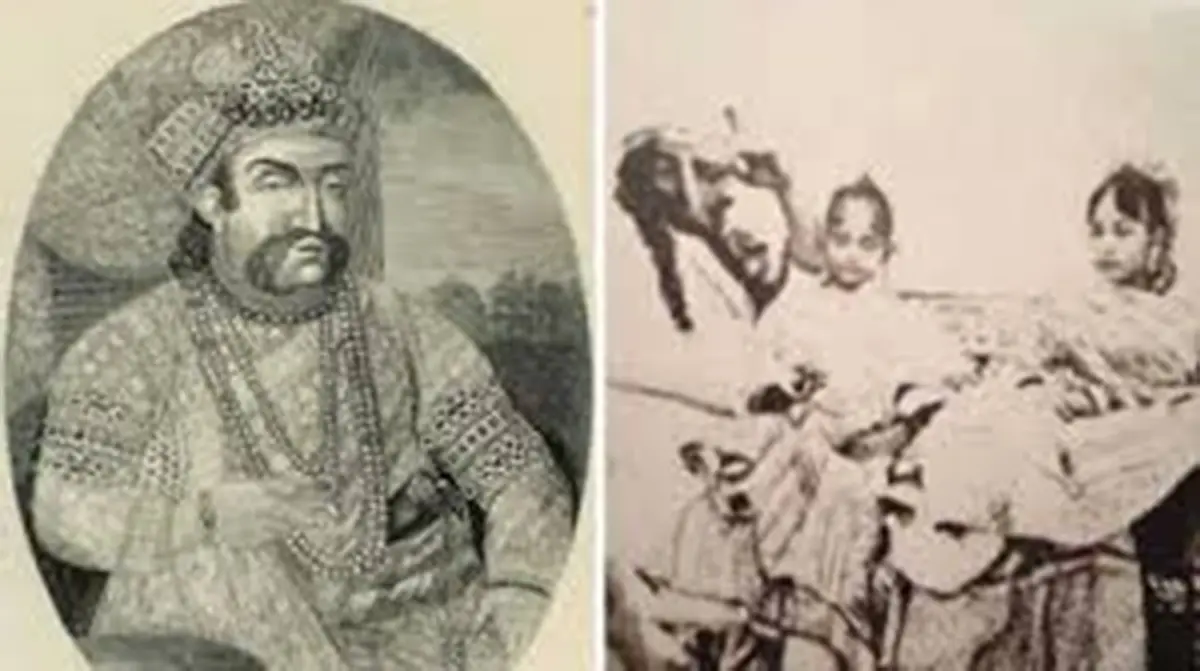
A newly translated biography of Wajid Ali Shah, the last Nawab of Awadh, was published by his descendant Talat Fatima in early 2026. The book sheds light on the Nawab’s voluntary move to Calcutta, his petition to the British Parliament against his dethronement, and his rich cultural contributions. The translation has rekindled interest in his life beyond the popular perception of him as a hedonistic ruler.
Background
Wajid Ali Shah (1822–1887) was the tenth and last Nawab of Awadh, deposed by the British East India Company in 1856. Contrary to the myth that he was exiled, the biography reveals that he chose to travel to Calcutta (now Kolkata) intending to sail to London and plead his case before the British Parliament and Queen. Due to political obstacles, he remained in Calcutta for the rest of his life. The book is based on the research of his great‑great‑grandson Kaukub Quder Sajjad Ali Meerza and translated by Talat Fatima.
Key insights from the biography
- Voluntary relocation: Wajid Ali Shah arrived in Calcutta of his own volition, hoping to appeal his dethronement. He was not forcibly exiled as commonly believed.
- Petition plan: The Nawab planned to petition the British Parliament about the annexation of Awadh. However, he never received permission to sail to England and therefore stayed in Calcutta until his death.
- Cultural patronage: A poet, playwright and patron of arts, Wajid Ali Shah composed works in Urdu and Persian and even wrote devotional songs dedicated to Hindu deities such as Radha and Krishna. He maintained secular values and promoted dance, music and theatre.
- Personal life: The biography notes that he had dozens of wives and wrote affectionate letters to them. His life in Calcutta was marked by cultural pursuits rather than political power.
Significance
- Correcting misconceptions: The translation clarifies that Wajid Ali Shah’s journey to Calcutta was self‑initiated, countering the long‑held belief that he was banished.
- Appreciating cultural heritage: The Nawab’s patronage of music, dance and literature demonstrates the syncretic culture of Awadh. Recognising his contributions enriches our understanding of Indian history.
- Personal narrative: By presenting letters and personal anecdotes, the book humanises a historical figure often depicted as frivolous, showing his resilience and artistic devotion.
Source: The Hindu