

Why in news?
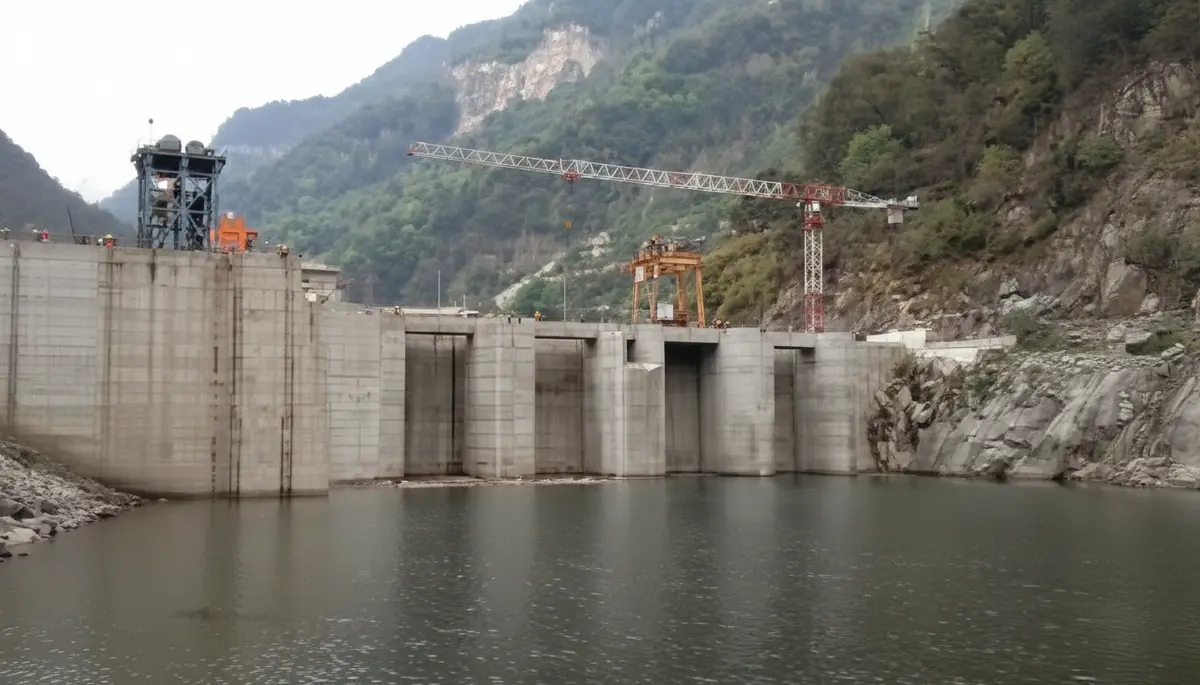
On 4 January 2026 Adani Power of India and Bhutan’s Druk Green Power Corporation (DGPC) officially launched the Wangchhu Hydroelectric Project after signing a pact in 2025. The 570 MW peaking run‑of‑river project will be built on the Wang Chhu (Raidāk) River in western Bhutan. Construction is expected to begin in the first half of 2026 and finish within five years.
Background
The Wang Chhu, known as the Raidāk River in India, originates in the eastern Himalayas of Bhutan and flows southward through steep gorges before entering the Indian state of West Bengal and eventually Bangladesh. Bhutan has long harnessed its fast‑flowing rivers for hydropower, exporting electricity to India. Major projects on the river system include the 336 MW Chukha and 1,020 MW Tala plants built with Indian assistance. Hydroelectricity accounts for a large share of Bhutan’s exports and government revenue.
Project details
- Capacity and cost: The Wangchhu project will have an installed capacity of 570 MW and is estimated to cost about ₹60 billion. It will operate on a build–own–operate–transfer (BOOT) model.
- Partnership structure: DGPC will hold 51 percent of the equity while Adani Power will hold 49 percent. The project is part of a broader memorandum of understanding signed in May 2025 to develop 5,000 MW of hydropower projects in Bhutan.
- Timeline: Construction is planned to start in early 2026 and the plant is expected to be operational within five years. After the concession period it will be handed over to the Royal Government of Bhutan.
- Purpose: The plant is designed to meet Bhutan’s peak electricity demand during winter while surplus energy generated in summer will be exported to India.
Significance
- Energy security: The project will help Bhutan meet its own power needs during dry months, reducing reliance on imports and enabling stable supply.
- Economic partnership: Joint ventures strengthen India–Bhutan relations and provide revenue and employment opportunities for both countries. The project supports Bhutan’s goal of adding 15,000 MW of hydropower and 5,000 MW of solar power by 2040.
- Clean energy: Hydropower is a low‑carbon source of electricity. By exporting surplus power to India during monsoon months, the project contributes to regional decarbonisation and grid stability.
Sources: The Times Of India