
Why in news?
Despite repeated clean‑up drives, large mats of water hyacinth have returned to Pune’s Mula–Mutha River. Residents complain that the floating weed is creating a breeding ground for mosquitoes, emitting foul odours and hindering boating activities. The persistence of the weed underscores the challenges of controlling invasive species in urban waterways.
Background
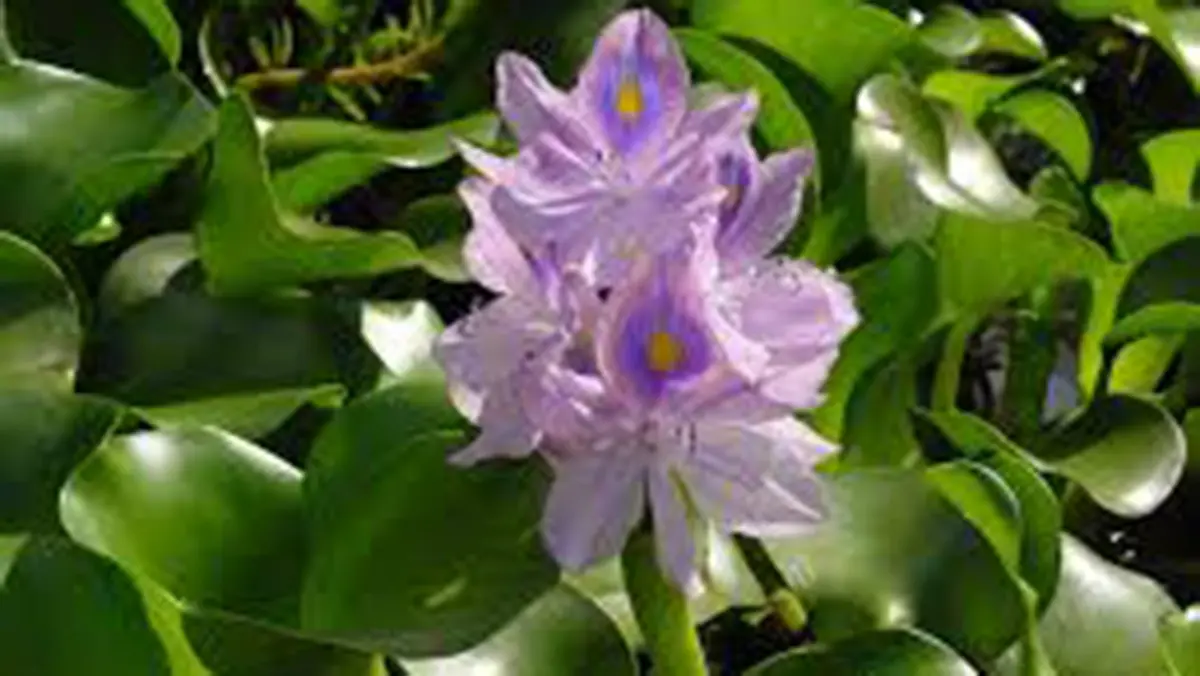
Water hyacinth (Eichhornia crassipes) is a free‑floating plant native to the Amazon Basin. It was introduced to Asia and Africa as an ornamental species but has since become one of the world’s most aggressive aquatic weeds. The plant has glossy green leaves and purple flowers, reproduces rapidly through seeds and daughter plants, and can double its population in a matter of weeks.
Impacts
- Dense mats: Water hyacinth forms thick, floating mats that block sunlight and deplete oxygen in the water, causing fish kills and reducing biodiversity.
- Navigation and flooding: The mats clog waterways, canals and drainage systems, impeding boat traffic and increasing flood risk during heavy rains.
- Disease vector: Stagnant water trapped by the plants becomes a breeding habitat for mosquitoes and other pests, raising concerns about malaria and dengue.
- Economic losses: The weed interferes with fishing, irrigation and hydropower generation, leading to significant economic costs.
Control measures
- Mechanical removal: Harvesting the plants manually or with specialised machinery provides short‑term relief but must be repeated regularly.
- Biological control: Certain insects such as weevils and moths have been introduced to feed on water hyacinth and reduce its growth. Biological control is most effective when combined with other methods.
- Chemical control: Herbicides can kill the plants but may harm other aquatic life and require careful application.
- Integrated management: Successful programmes use a combination of mechanical, biological and chemical strategies along with community awareness and wastewater treatment to prevent nutrient pollution that fuels the weed’s growth.
Source: Hindustan Times

