

Why in news?
The Government of Nepal has extended the survey licence for the long‑delayed West Seti Hydropower Project and is facilitating direct agreements with Indian developers. The move aims to speed up the construction of this key energy project.
Background
The West Seti project is a large storage‑type hydropower scheme on the Seti River, a tributary of the Karnali, in western Nepal. Unlike run‑of‑river plants that depend on immediate river flow, storage projects hold back water during the monsoon and release it steadily to generate electricity year‑round. The idea was first proposed in the 1980s, but the project has faced multiple delays and changes in partners.
Project features
- Installed capacity: The plan is to build a 750‑megawatt plant capable of generating roughly 3,600 gigawatt‑hours of electricity annually.
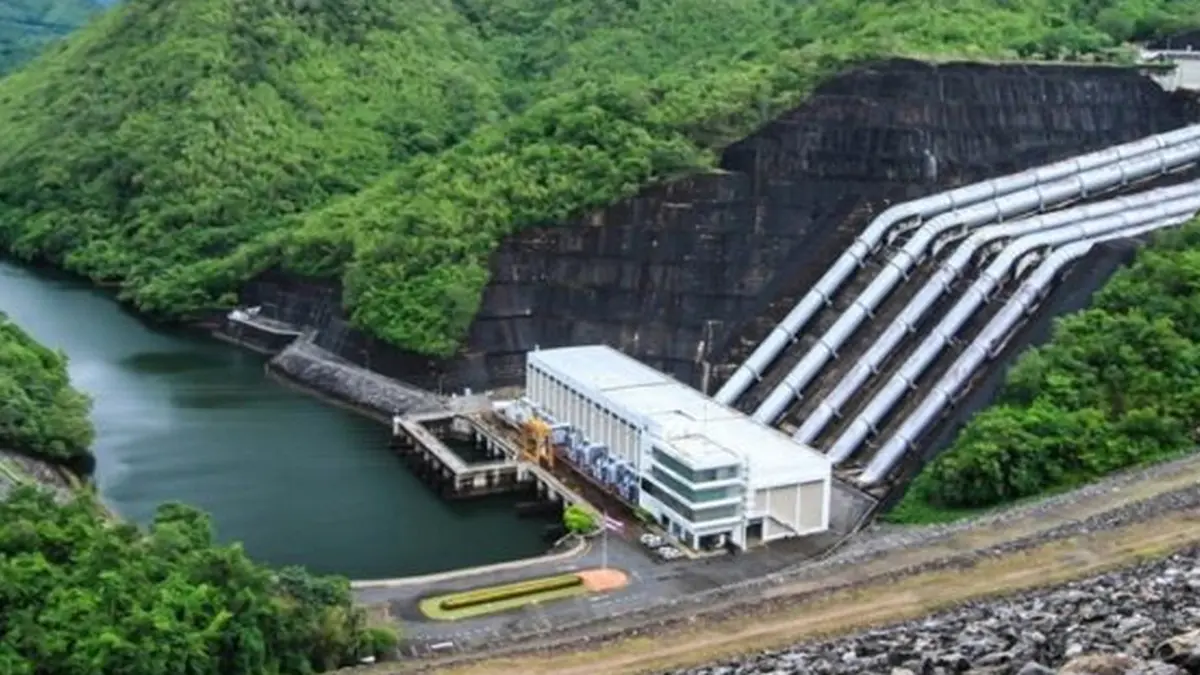
- Infrastructure: It will have a 195‑metre‑high concrete‑faced rockfill dam creating a 25‑kilometre long reservoir. A power station and transmission line will deliver power to Nepal and export markets.
- Developer: India’s National Hydro Power Corporation Ltd. (NHPC) signed a memorandum of understanding with Nepal’s Investment Board in 2022 to take over the project. A public‑private partnership model is envisaged.
- Power purchase agreement: Under the deal, Nepal will receive about 21.9 percent of the electricity generated free of cost. The remaining power will be exported to India through the Power Trade Corporation India Limited.
- Cost and timeline: Preliminary estimates put the project cost at around US$2.4 billion. Detailed project reports are to be completed within two years, with construction expected thereafter.
Historical context
- The project was initially studied in the late 1980s by Snowy Mountain Engineering Corporation of Australia. Several investors, including the French company EDF and later China Three Gorges Corporation, were involved but withdrew due to financial or regulatory hurdles.
- In 2022, Nepal invited NHPC after previous partners exited. Nepal and India signed a framework agreement to allow Indian companies to develop hydropower projects in Nepal and export electricity to India.
- The project’s success is seen as essential for Nepal’s goal of becoming an electricity exporter to neighbouring countries and reducing seasonal power shortages.
Significance
- Once completed, West Seti will enhance energy security in Nepal and enable year‑round power supply, helping to meet domestic demand during the dry season.
- The project will deepen energy cooperation between India and Nepal, creating a model for other cross‑border hydropower ventures.
- Flood control and irrigation benefits are expected downstream because the reservoir will regulate river flow.
- The construction will require careful environmental and social safeguards to mitigate impacts on local communities and forests.
Source: Kathmandu Post, TH