

Why in News?
In December 2025 the Minister of Fisheries, Animal Husbandry and Dairying informed the Rajya Sabha about outbreaks of white spot disease (WSD) in shrimp farms in Andhra Pradesh and outlined measures being taken to monitor and control the disease. The discussion highlighted the importance of disease surveillance and biosecurity in aquaculture.
Background
White Spot Disease, also known as White Spot Syndrome Virus (WSSV) infection, is a highly contagious viral disease affecting crustaceans such as prawns, shrimps, lobsters, crayfish and crabs. The causative agent is the White Spot Syndrome Virus, a large double‑stranded DNA virus classified in the genus Whispovirus and the family Nimaviridae. The virus is thought to have originated in the Indian Ocean and has spread across Asia and other regions. WSSV infects crustaceans in fresh, brackish and marine waters, and all life stages—from eggs to broodstock—are susceptible.
Clinical Signs
- Rapid mortality: Outbreaks often lead to mass deaths (more than 80%) in farmed prawns within days.
- Lethargy and loss of appetite: Infected animals become sluggish and stop feeding.
- Loose carapace and colour changes: Affected prawns may show a loose or soft shell and a reddish, brown or pink discolouration.
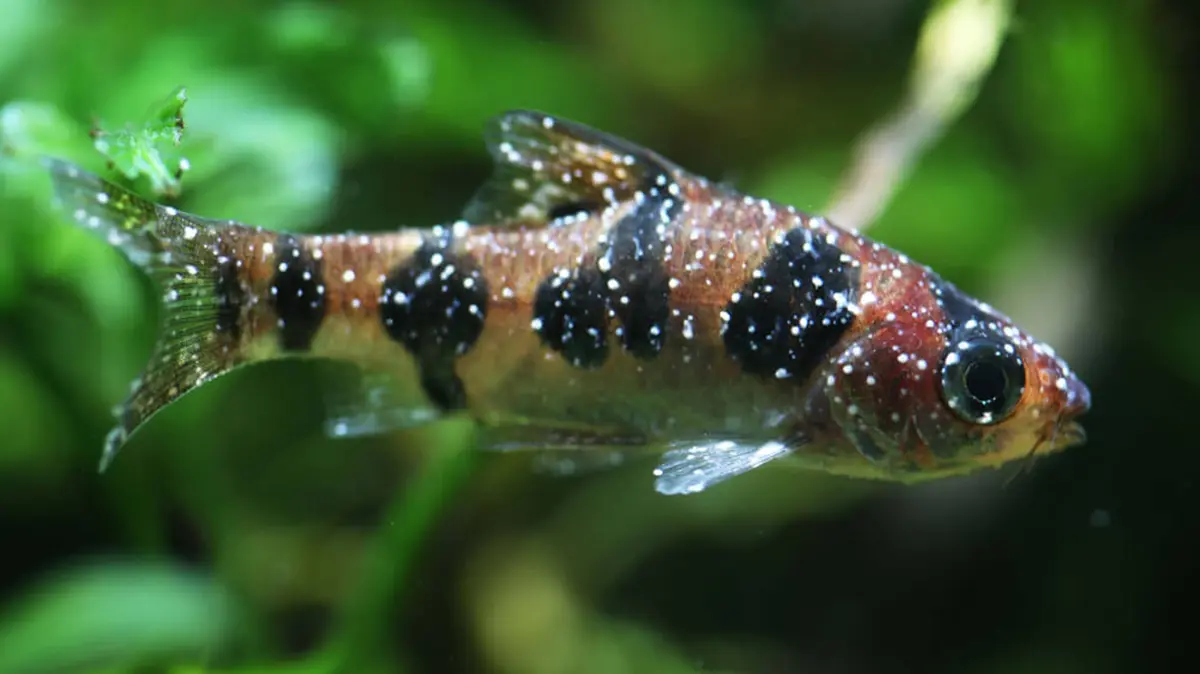
- White spots: Calcium deposits embedded in the shell form circular white spots ranging from 0.5 to 3 millimetres. These spots are most visible on the carapace but may coalesce into larger plates.
- Aggregation near water surface: Sick prawns often gather near the water surface or pond edges.
Transmission
- Vertical: Infected broodstock can transmit the virus to eggs and larvae.
- Horizontal: The disease spreads through cannibalism, movement of infected animals, contaminated water and carrier organisms such as rotifers, polychaete worms and other non‑decapod crustaceans. Birds that feed on infected animals can also spread the virus.
Distribution and Impact
- Geographical spread: White Spot Disease has been reported from countries across Asia, including Bangladesh, Myanmar, Cambodia, China, Hong Kong, India, Indonesia, Iran, Japan, Malaysia, the Philippines, South Korea, Singapore, Thailand and Vietnam.
- Economic consequences: Because WSD can cause near‑total mortality in shrimp farms, it has significant economic impacts on aquaculture industries and the livelihoods of farmers.
- Human health: The virus does not infect humans, and shrimp affected by WSD are safe to eat after proper cooking.
Management and Control
- Disease surveillance: The Government of India has implemented the National Surveillance Programme for Aquatic Animal Diseases (NSPAAD). Teams collect samples from farms and conduct laboratory testing. A mobile application called “Report Fish Disease” allows farmers to report suspected cases.
- Biosecurity measures: Imported shrimp broodstock are quarantined to prevent introduction of the virus. Guidelines require Specific Pathogen Free (SPF) broodstock multiplication centres, nucleus breeding centres and health monitoring at hatcheries and farms.
- Insurance support: Under the Pradhan Mantri Matsya Kisan Samridhi Sah‑Yojana, aquaculture crop insurance is available to farmers to protect against losses from disease outbreaks.
- Best practices: Good farm management—such as maintaining optimum water quality, limiting stress, and ensuring proper sanitation—reduces the risk of outbreaks.