
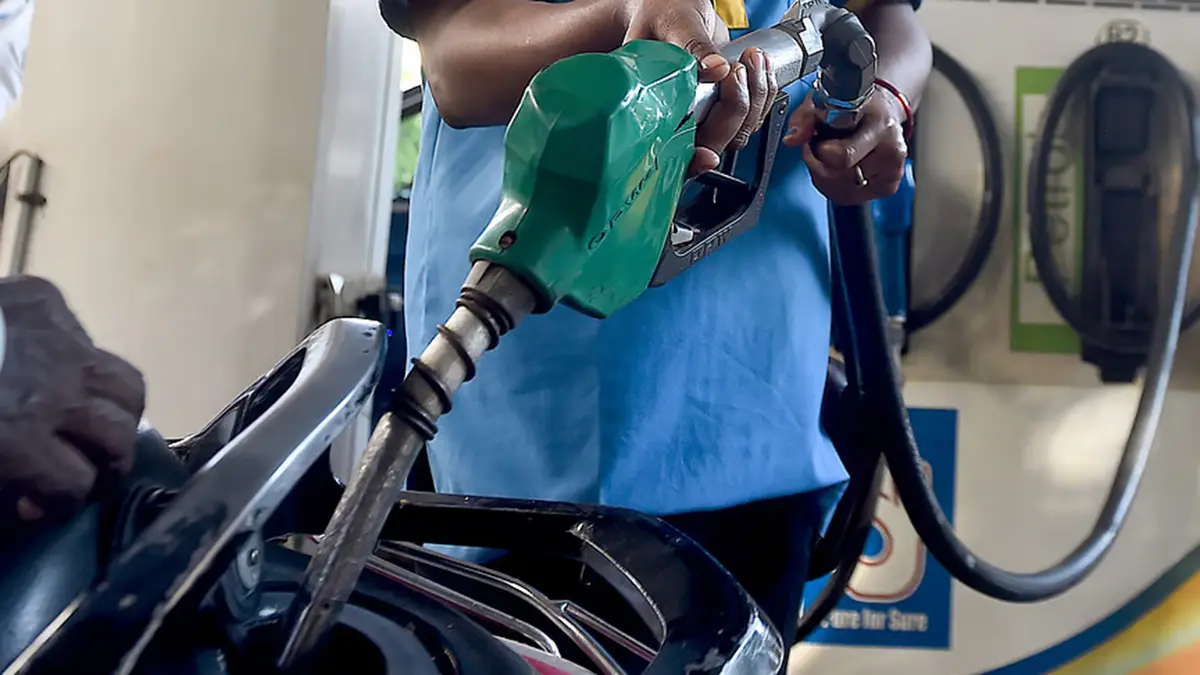
Why in news?
On 11 April 2026 the Government of India raised the special additional excise duty on exports of diesel and aviation turbine fuel. Diesel exports will now attract ₹55.5 per litre and aviation fuel ₹42 per litre. This step effectively increases the windfall tax on petroleum products to ensure adequate domestic supplies at a time of heightened global prices due to disruptions in the Strait of Hormuz.
What is a windfall tax?
A windfall tax is a higher levy imposed on industries that suddenly earn exceptionally high profits because of external events like war or supply disruptions rather than their own business decisions. Governments use such taxes to recoup a share of these unexpected gains and direct the revenue towards public welfare. Examples include taxes on oil producers when crude prices spike or levies on electricity generators during energy crises.
India’s windfall tax mechanism
- Special additional excise duty: In July 2022 India introduced a windfall tax in the form of a special additional excise duty on exports of diesel, petrol and aviation fuel, and on domestically produced crude oil. The rates are reviewed every fortnight based on global price trends.
- Recent hike: The April 2026 revision raised the duty on diesel exports from ₹1 to ₹55.5 per litre and on aviation turbine fuel from ₹1 to ₹42 per litre. The duty on petrol exports remained nil because domestic demand is well met.
- Reason for the hike: Disruptions in Middle Eastern shipping lanes following conflict in the region have pushed up international oil prices. India aims to discourage excessive exports by refiners and ensure domestic availability of diesel and aviation fuel.
Implications
- Domestic supply: Higher export duties make it less profitable for refiners to ship products abroad, encouraging them to allocate more fuel to the home market and keeping retail prices stable.
- Revenue generation: Windfall taxes provide additional fiscal resources that can be used to subsidise fuel prices or fund social programmes.
- Market impact: The move may temporarily reduce Indian fuel exports and tighten global supply, but the duties are adjustable and likely to be reduced once prices ease.
Source: Deccan Herald

