

Why in news?
Every year on 5 December, countries observe World Soil Day to raise awareness about the importance of soil health. The theme for 2025 is “Healthy soils for healthy cities.” This year’s campaign highlights the vital functions that urban soils perform—such as absorbing rainwater, moderating temperatures and filtering pollutants—while warning against the dangers of soil sealing and pollution in expanding cities.
Background
The idea of a day dedicated to soils was proposed in 2002 by the International Union of Soil Sciences. With strong support from Thailand and the Food and Agriculture Organisation (FAO), the United Nations General Assembly officially designated 5 December as World Soil Day in 2013. The first global celebration took place in 2014. The date honours the birthday of King Bhumibol Adulyadej of Thailand, who championed soil conservation. Since then, World Soil Day has grown into a global movement to promote sustainable soil management and recognise soils as a foundation for food security, climate regulation, biodiversity and human well‑being.
2025 theme: Healthy soils for healthy cities
- Urban ecosystem services: Urban soils store water, filter contaminants and house micro‑organisms that break down waste. They regulate heat, support trees and provide space for community gardens and green spaces.
- Threats from soil sealing: Paving over land with concrete and asphalt prevents water infiltration and increases flood risk. Soil sealing also destroys habitats for soil organisms and reduces carbon storage.
- Sustainable urban planning: This year’s campaign encourages city planners to protect existing green spaces, incorporate permeable pavements and adopt policies that reduce compaction and contamination.
- Community involvement: Residents are urged to participate in tree planting, composting and organic waste recycling to nourish urban soils.
Importance of soil conservation
- Food security: More than 95 percent of our food comes from soil. Degraded soils reduce crop yields and threaten nutrition.
- Climate regulation: Healthy soils store vast amounts of carbon and help mitigate climate change by sequestering greenhouse gases.
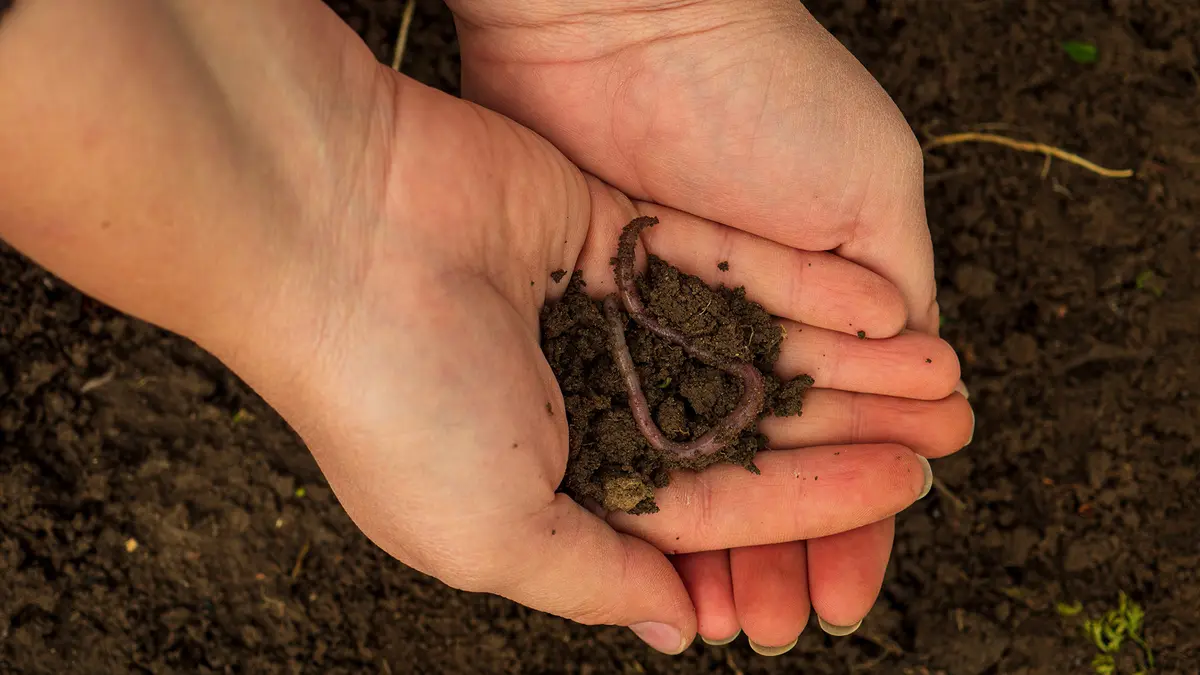
- Biodiversity: Soils host millions of species, from bacteria and fungi to earthworms and insects. These organisms maintain nutrient cycles and support plant growth.
- Water quality: Soil filters rainwater, removing impurities before it enters rivers and aquifers.
Conclusion
World Soil Day reminds us that soil is a living resource that underpins agriculture, ecosystems and urban life. By understanding the services provided by healthy soils and adopting practices that conserve them, individuals, communities and governments can build more resilient cities and secure food and water supplies for future generations.
Source: The Hans India article