
Why in news?
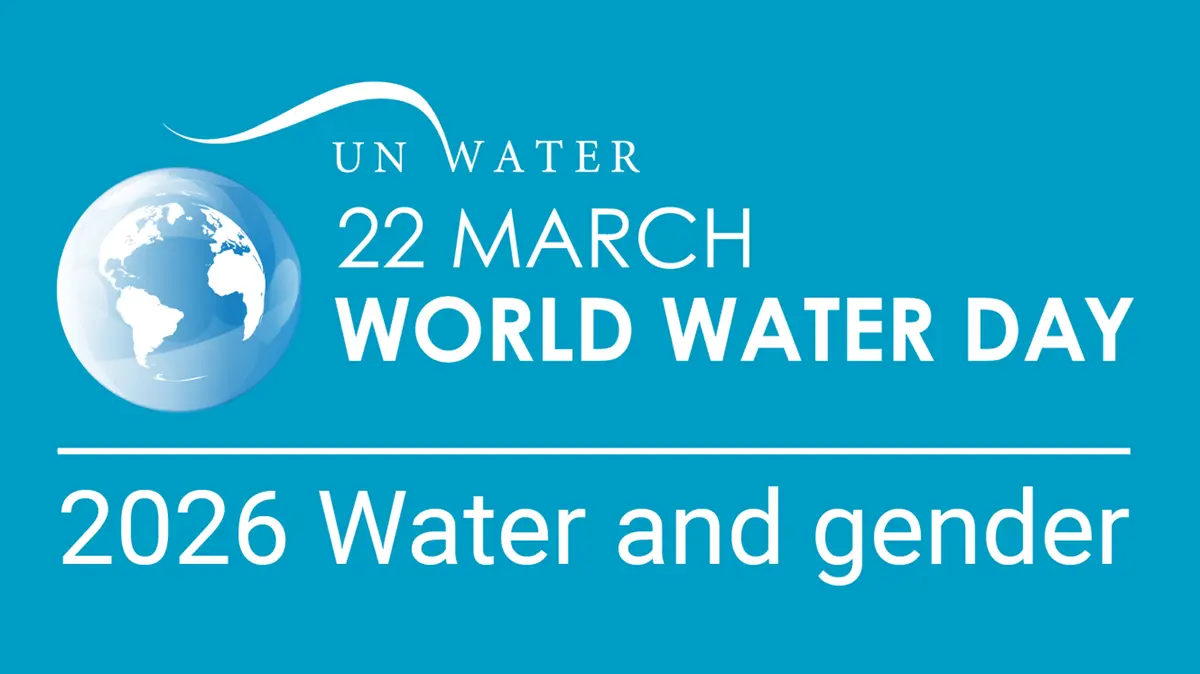
On 22 March 2026 the world observed World Water Day, an annual United Nations event highlighting the importance of freshwater. The theme for 2026 is “Water and Gender: Where water flows, equality grows.”
Background
World Water Day has been celebrated each year on 22 March since 1993. It raises awareness about the 2 billion people worldwide who lack access to safe drinking water and advocates for Sustainable Development Goal 6: water and sanitation for all by 2030. Each year UN‑Water chooses a theme to focus attention on a particular aspect of water.
What does “Water and Gender” mean?
- Highlighting inequalities: In many societies, women and girls bear the primary responsibility for collecting and managing household water. When water is scarce, they spend hours fetching it, which limits their opportunities for education, work and civic participation.
- Importance of women’s leadership: The 2026 theme underscores that including women at all levels of water governance — from planning infrastructure to managing community resources — leads to more inclusive, sustainable and effective solutions.
- Part of broader UN initiatives: The United Nations’ World Water Development Report 2026, titled “Water for All People: Equal Rights and Opportunities,” outlines steps to close gender gaps in water management. It argues that water should be treated as a common good and calls for investment in resilience, climate adaptation and gender‑responsive policies.
Why water matters
- More than 2 billion people lack safely managed drinking water. Water scarcity, pollution and climate change exacerbate inequality and threaten public health.
- Unsafe water and poor sanitation contribute to millions of deaths annually, particularly among children.
- As populations grow and the climate warms, securing clean water for all requires cooperation, innovation and inclusive leadership.
Conclusion
World Water Day 2026 reminds us that water security is not just a technical challenge but a social one. Empowering women and ensuring their voices are heard in water management can transform communities and help achieve a more equitable and sustainable future.
Source: The Hindu

