
Why in news?
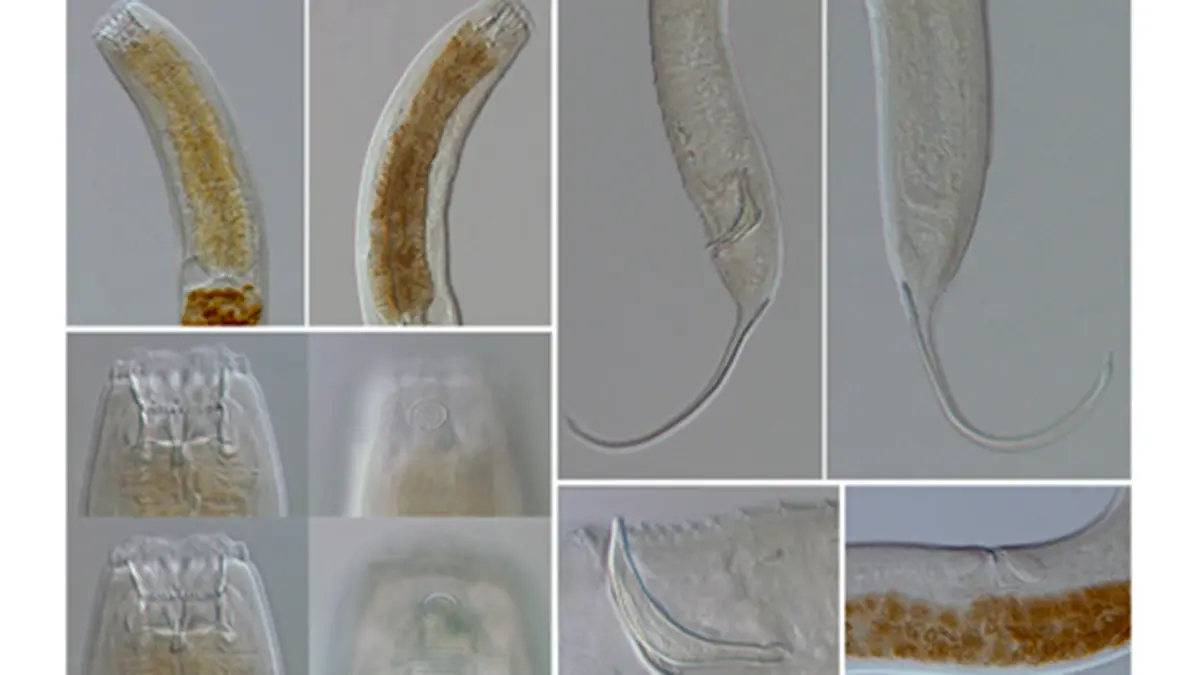
Scientists from the Zoological Survey of India (ZSI) announced the discovery of two new species of free‑living marine nematodes off the coast of Tamil Nadu. The species, named Corononema dhriti and Epacanthion indica, were described in the journal Zootaxa. The find emphasises the richness of India’s marine biodiversity and the importance of studying microscopic fauna.
Background
Nematodes, commonly known as roundworms, form one of the largest phyla in the animal kingdom. They have elongated, cylindrical bodies that are often tapered at both ends and exhibit bilateral symmetry. Most nematodes possess a fluid‑filled body cavity called a pseudocoelom and a tough outer cuticle. While many species are parasitic on plants and animals, a significant number are free‑living and occupy marine, freshwater and soil environments.
Details of the new species
- Corononema dhriti: This species belongs to a genus that previously contained only three known species worldwide. It was named in honour of Dr Dhriti Banerjee, director of ZSI. The worm inhabits coarse sandy sediments and feeds on bacteria and detritus.
- Epacanthion indica: This species possesses specialised mandibles with tooth‑like structures, making it a microscopic predator of smaller invertebrates. Its discovery adds to the diversity of the genus Epacanthion found in the Indo‑Pacific region.
- Ecological significance: Free‑living marine nematodes help recycle nutrients in sediments, regulate microbial populations and serve as indicators of environmental change. Documenting new species improves our understanding of benthic ecosystems and supports conservation planning.
Importance of the discovery
The identification of Corononema dhriti and Epacanthion indica highlights how little is known about microscopic life in Indian waters. Detailed morphological and genetic studies enable scientists to track evolutionary relationships among nematodes and to monitor the impacts of pollution and climate change on marine environments.
Source: The Times of India

