Why in news?
Scientists from the CSIR‑National Institute of Oceanography and collaborating universities recently discovered a new species of marine tardigrade near Markandi on the Odisha coast. The tiny creature, named Actinarctus odissi, was found in sand collected from shallow waters and is the first member of its genus discovered in over four decades. The find highlights the rich but understudied biodiversity of India’s coastal waters.
Background
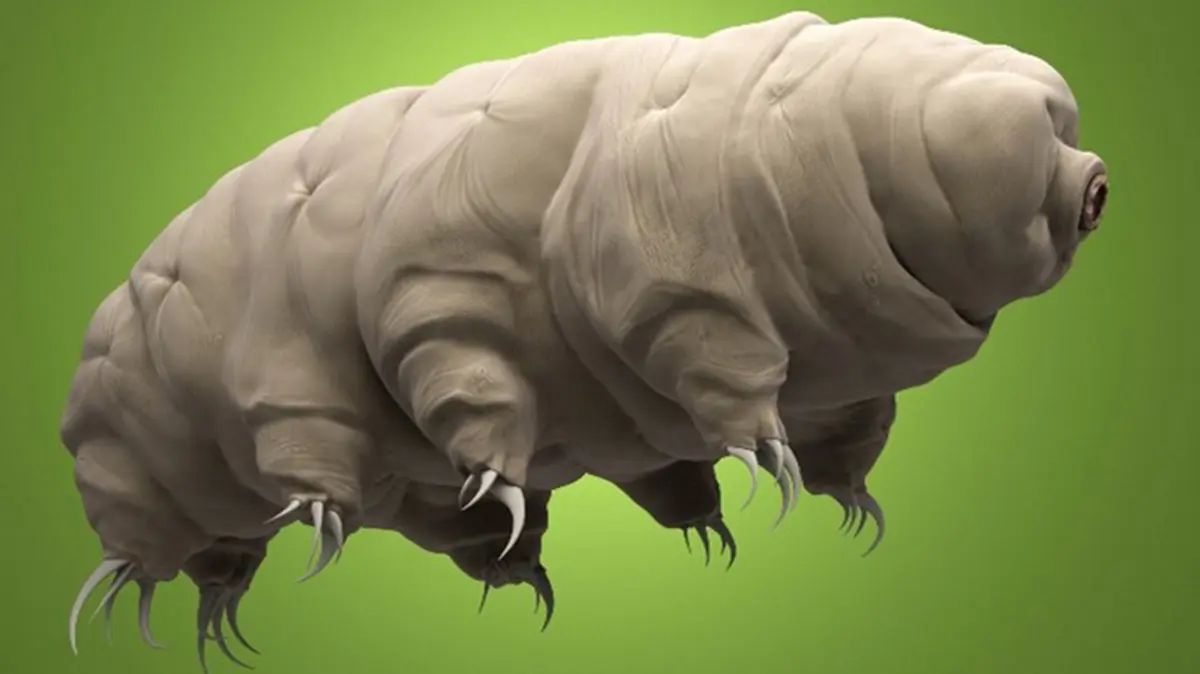
Tardigrades, often called “water bears” or “moss piglets,” are microscopic invertebrates that inhabit a wide range of environments. Around 1,300 species are known worldwide. They have four pairs of stubby legs ending in claws and feed on the fluids of plants, algae and bacteria. Many species can survive extreme conditions by entering a dormant “tun” state in which their metabolism almost stops. Marine tardigrades make up only about seventeen percent of known species, so each new discovery greatly expands our understanding of life in the ocean.
Key features of the new species
- Dome‑shaped body: Actinarctus odissi has a rounded body surrounded by transparent wing‑like flaps (called alae) supported by pillars. These flaps help stabilise the animal as it moves through grains of sand.
- Short lateral wings: Unlike its relatives, the new species has noticeably shorter alae with simpler internal supports.
- Sensory organs: Its hind legs carry short, unbranched sensory appendages with blunt tips instead of sharp ones seen in related species.
- Heavily sculptured back: The dorsal surface has tiny trombone‑shaped pillars that give it a unique texture.
- Name honours culture: The species name “odissi” pays tribute to Odissi, the classical dance form of Odisha, reflecting the region where it was found.
Significance
This discovery shows how much remains hidden in India’s coastal sands. The species’ unique features add to our understanding of tardigrade evolution and adaptation. Finding a new member of the Actinarctus genus after 43 years underscores the importance of exploring and protecting marine microhabitats.