
Why in news?
The Supreme Court of India recently ordered the immediate removal of encroachers and the demolition of illegal structures across the ecologically sensitive Agasthyamalai Biosphere Reserve. The court directed state authorities to act swiftly, warning that paramilitary forces could be deployed if compliance was delayed.
Background
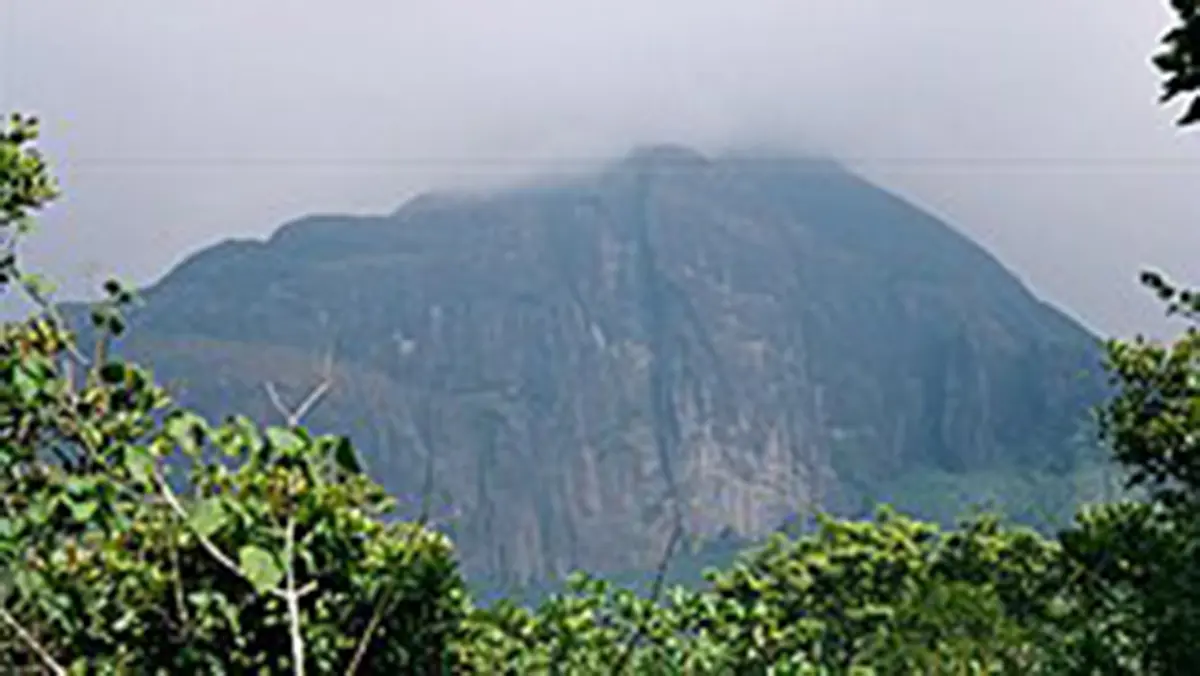
Established in 2001 and added to UNESCO’s World Network of Biosphere Reserves in 2016, the Agasthyamalai Biosphere Reserve spans approximately 3,500 square kilometres across Kerala and Tamil Nadu in the southern Western Ghats. Named after Agasthyarkoodam peak (1,868 m), the reserve encompasses a mosaic of protected areas: Shendurney, Peppara and Neyyar wildlife sanctuaries in Kerala and the Kalakkad–Mundanthurai Tiger Reserve in Tamil Nadu. Its diverse habitats—tropical wet evergreen forests, moist deciduous forests, montane rainforests and shola grasslands—support thousands of plant and animal species, many found nowhere else on Earth.
Ecological significance
- Flora: The reserve hosts about 2,254 species of higher plants, roughly 400 of which are endemic. Rare medicinal species, orchids and woody climbers thrive in its humid forests.
- Fauna: Large mammals include Asian elephants, tigers, leopards, gaurs and the elusive Nilgiri tahr. Birdlife is equally rich, featuring the Great Indian hornbill and the endangered broad‑tailed grassbird.
- Indigenous people: The reserve is home to the Kanikaran (Kani) tribe—one of the world’s oldest surviving tribes. They possess deep knowledge of local ecology and traditional medicine.
Recent legal action
The Supreme Court’s order came in response to reports of rampant encroachment and construction within the reserve’s buffer zones. Illegal resorts, farmlands and plantations have fragmented wildlife corridors and polluted water sources. The court directed the governments of Kerala and Tamil Nadu to remove all unauthorised structures and restore degraded areas. It also instructed officials who allowed such constructions to face disciplinary and criminal proceedings.
Conclusion
Agasthyamalai’s rugged hills and lush forests are a lifeline for wildlife and millions of people downstream. The Supreme Court’s intervention underlines the urgency of protecting this fragile landscape. Strict enforcement of conservation laws, coupled with community participation and respect for indigenous rights, will be essential to preserve the region’s unique biodiversity.