
Why in news?
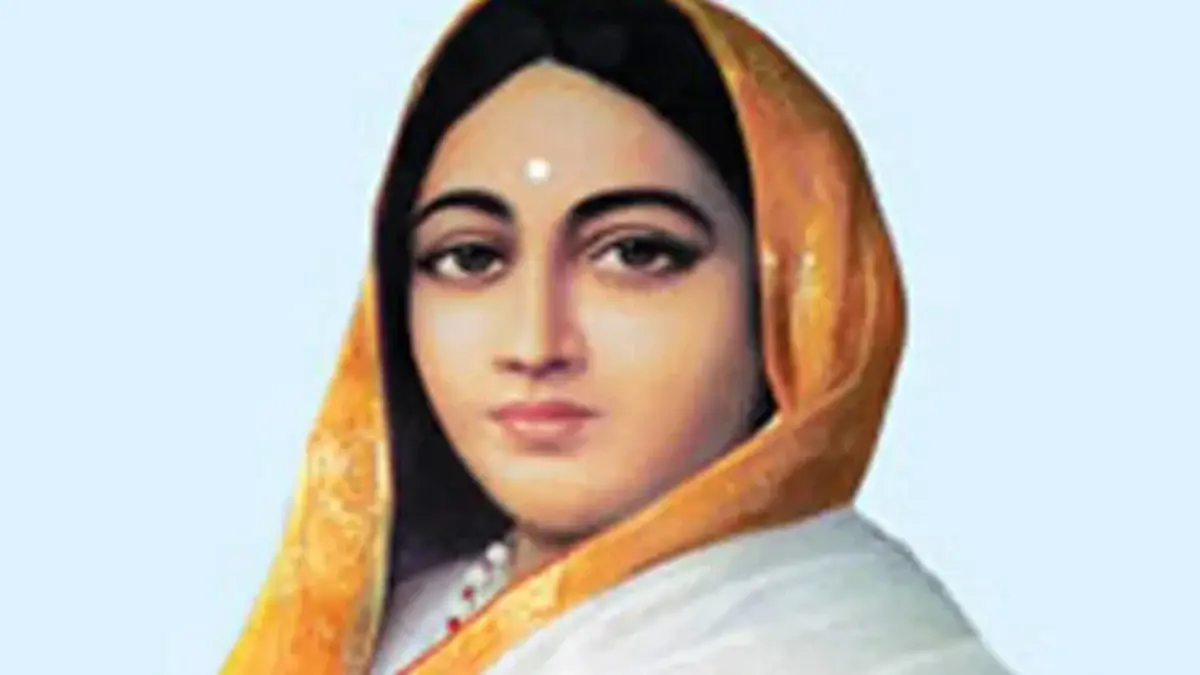
31 May 2026 marked the 301st birth anniversary of Ahilyabai Holkar, one of India’s most venerated queens. Tributes poured in from across the country, honouring her legacy of compassionate rule, architectural patronage and social reform. Learning her story gives insight into early modern India and the power of enlightened leadership.
Background
Born on 31 May 1725 in the village of Chaundi (now in Maharashtra), Ahilyabai was the daughter of village chief Mankoji Shinde. She married Khanderao Holkar, heir to Malhar Rao Holkar of the Maratha Holkar dynasty. When her husband died in 1754 and her father‑in‑law in 1766, Ahilyabai assumed power as ruler of the Malwa state in 1767. She shifted the capital from Indore to Maheshwar on the banks of the Narmada and ruled for nearly three decades until her death in 1795.
Contributions and reforms
- Efficient administration: Ahilyabai personally handled state affairs, held daily audiences to hear citizens’ grievances and appointed competent officials like Tukoji Rao Holkar as commander‑in‑chief. Her kingdom remained largely peaceful despite turbulent times.
- Public works: She built roads, wells, ghats and dharamshalas (rest houses) across Malwa and beyond. The Maheshwar ghat and fort developed during her reign remain architectural gems.
- Temple restoration: A devout Hindu, she renovated and constructed hundreds of temples across India, including the Kashi Vishwanath temple in Varanasi, shrines at Somnath, Dwarka and Rameswaram, and ghats at Gaya and Prayagraj. She financed these projects from her own treasury and avoided using forced labour.
- Social reform: Ahilyabai promoted education for girls, encouraged weavers to create the fine Maheshwari sari and arranged her daughter’s marriage to a man of modest background, challenging caste norms. She took care of widows and orphans and distributed grain during famines.
Legacy
Revered as “Lokmata” (mother of the people), Ahilyabai’s rule is celebrated for its justice, charity and cultural revival. Her vision of governance—combining fiscal prudence with social welfare—offers lessons for modern administrators. Every year, Maheshwar hosts events in her honour, and the Government of India issues commemorative stamps and coins to keep her memory alive.
Conclusion
Ahilyabai Holkar stands out as a beacon of enlightened leadership in pre‑colonial India. Her ability to govern with compassion while promoting culture and infrastructure continues to inspire discussions on women’s leadership and good governance.