
Why in news?
The 31 July archive highlighted advice from the Union Ministry of Health and Family Welfare.
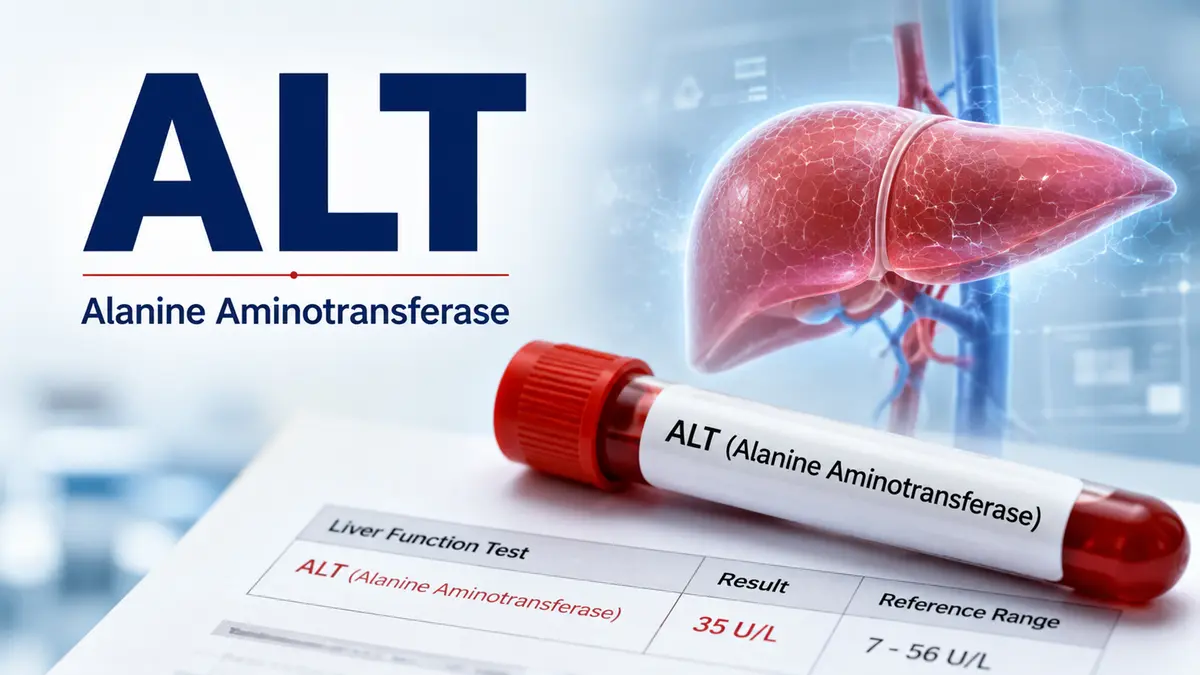
Alanine aminotransferase is mainly stored inside liver cells and enters blood after cellular injury.
A raised result can reveal injury before obvious symptoms appear in some liver disorders.
However, the result alone cannot identify the cause, severity or remaining liver function.
Background
Alanine aminotransferase (ALT) is an enzyme that supports the body’s amino-acid metabolism.
It is also called serum glutamic-pyruvic transaminase (SGPT) in older laboratory terminology.
ALT transfers an amino group from alanine to alpha-ketoglutarate, producing pyruvate and glutamate.
Pyruvate can then enter pathways that help cells obtain or store usable energy.
Where is ALT found?
The enzyme occurs most abundantly within hepatocytes, which are the liver’s main functional cells.
Smaller quantities occur in the kidneys, heart, skeletal muscles and several other tissues.
Healthy blood normally contains little ALT because intact cells retain most of the enzyme.
Damaged cell membranes allow ALT to leak into the bloodstream, increasing the measured concentration.
Why is the marker useful?
- ALT is relatively liver-specific compared with several other routinely measured enzymes.
- It may rise during hepatitis, fatty liver disease, toxic injury or reduced liver blood flow.
- Doctors can follow repeated values while investigating disease progression or treatment response.
- The test is inexpensive and commonly included within wider blood-test panels.
What can increase ALT?
Viral hepatitis can inflame hepatocytes and release large quantities of intracellular enzymes.
Metabolic dysfunction-associated steatotic liver disease can also produce persistent mild elevations.
Alcohol, medicines, supplements, toxins and impaired blood supply may injure the liver.
Muscle injury and intense exercise can occasionally affect ALT because other tissues contain it.
Therefore, clinicians compare symptoms, history and additional tests before reaching any diagnosis.
Limits of one numerical cut-off
Laboratories establish reference intervals using their methods, equipment and selected healthy populations.
Consequently, a universal threshold such as 40 units per litre can mislead some readers.
Age, sex, body weight, medicines and recent exercise may influence an individual result.
A value inside the laboratory interval also cannot exclude every serious liver condition.
Prelims focus
- ALT is an enzyme rather than a hormone, antibody or bile pigment.
- It is concentrated mainly in hepatocytes but is not absolutely liver-exclusive.
- Higher blood ALT suggests cell injury and does not directly measure injury severity.
- SGPT and ALT generally name the same laboratory enzyme measurement.
Conclusion
ALT provides an accessible warning signal, but meaningful interpretation requires context and supporting investigations.