

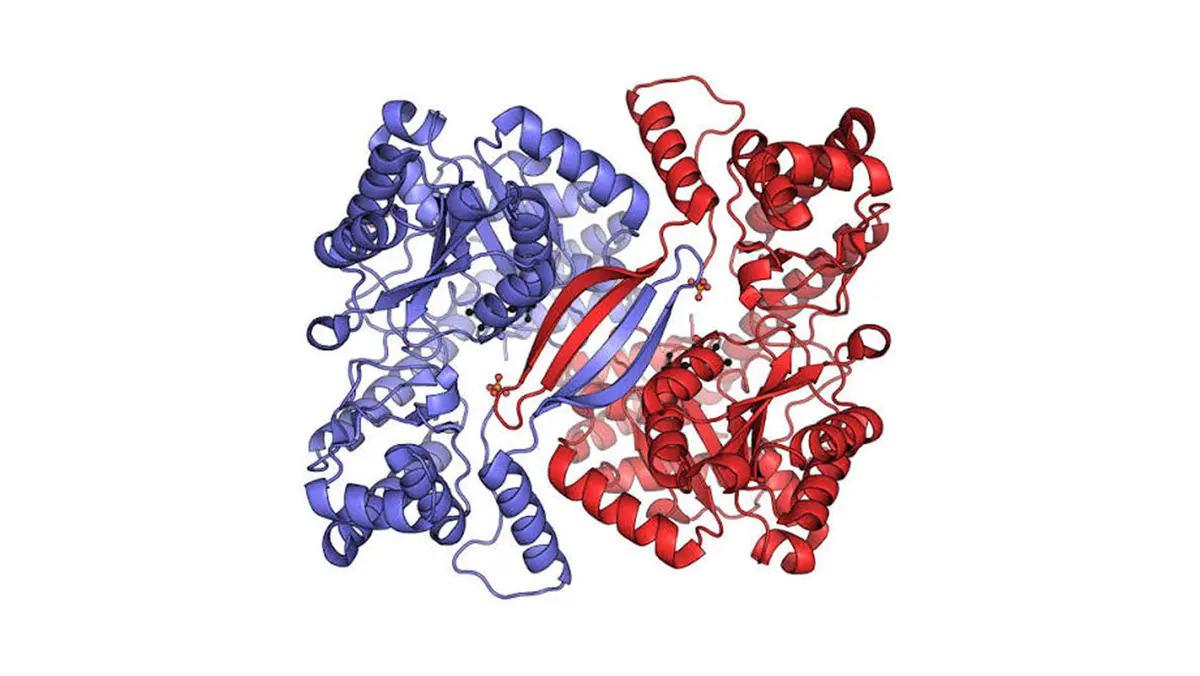
Why in news?
The uploaded archive contains a second card about alanine aminotransferase and the same health advice.
This duplicate entry does not represent a separate news event or newly discovered enzyme.
This complementary article therefore explains the blood test and its correct clinical interpretation.
The distinction preserves every archive card without repeating identical notes or inventing another topic.
Background
An alanine aminotransferase (ALT) test measures this enzyme’s concentration within a blood sample.
The same examination may be labelled serum glutamic-pyruvic transaminase (SGPT) on older reports.
A health professional collects venous blood, usually alongside several related chemistry tests.
Preparation depends upon the wider panel, medicines and instructions from the testing laboratory.
Patients should disclose medicines and supplements without discontinuing prescribed treatment independently.
Why one result is insufficient
ALT concentration shows enzyme leakage rather than the liver’s entire functional capacity.
It also cannot reveal the precise disease, anatomical location or damage severity alone.
Clinicians interpret its magnitude, pattern, duration and relationship with other measurements.
A repeat test can separate a temporary fluctuation from an evolving persistent abnormality.
Commonly related laboratory measures
| Measure | Main information | Important limitation |
|---|---|---|
| Alanine aminotransferase | Relatively liver-focused evidence of cellular injury | Does not identify the cause or remaining function |
| Aspartate aminotransferase | Injury affecting liver, muscle, heart or other tissues | Less liver-specific than alanine aminotransferase |
| Alkaline phosphatase | Possible bile-duct obstruction or bone activity | Its tissue source needs supporting evidence |
| Bilirubin | Pigment processing and excretion by liver and bile pathways | Blood breakdown can also raise bilirubin |
| Albumin | Longer-term hepatic protein production | Nutrition, kidneys and inflammation also affect it |
| Prothrombin time | Clotting activity involving liver-produced factors | Medicines and vitamin deficiencies influence results |
Aspartate aminotransferase (AST) is often compared with ALT when investigating injury patterns.
Alkaline phosphatase (ALP) and bilirubin help examine bile flow and obstructive patterns.
Albumin and prothrombin time provide more direct information about important liver functions.
Possible reasons for higher ALT
- Viral hepatitis can cause acute or chronic inflammation within liver tissue.
- Fat accumulation may accompany obesity, diabetes and other metabolic risk factors.
- Alcohol can injure hepatocytes, although enzyme patterns vary among affected people.
- Medicines, herbal products and toxins may produce dose-related or unpredictable injury.
- Reduced hepatic blood flow can cause major enzyme release during severe illness.
- Strenuous exercise or muscle damage can contribute to less specific elevations.
The height of ALT does not consistently match the amount of permanent tissue damage.
Some severe chronic conditions can coexist with normal or only mildly raised ALT.
Reference intervals
Reports usually display a laboratory-specific reference interval beside the measured value.
Different testing methods and reference populations can produce different upper and lower boundaries.
Therefore, students should avoid treating one internet value as a universal diagnostic cut-off.
How doctors proceed
History may cover alcohol, medicines, infection exposure, metabolic risks and family illness.
Repeat chemistry, viral tests, imaging or specialised investigations may follow an unexpected result.
Urgency depends upon symptoms, associated abnormalities and the overall clinical condition.
Conclusion
ALT is a useful screening clue, but diagnosis requires patterns, trends and patient-specific evidence.