
Why in news?
An ammonia gas leak at a seafood processing unit in Tamil Nadu’s Tiruvallur district in June 2026 led to several workers falling ill. The incident drew attention to the properties and uses of ammonia and the hazards of exposure.
Background
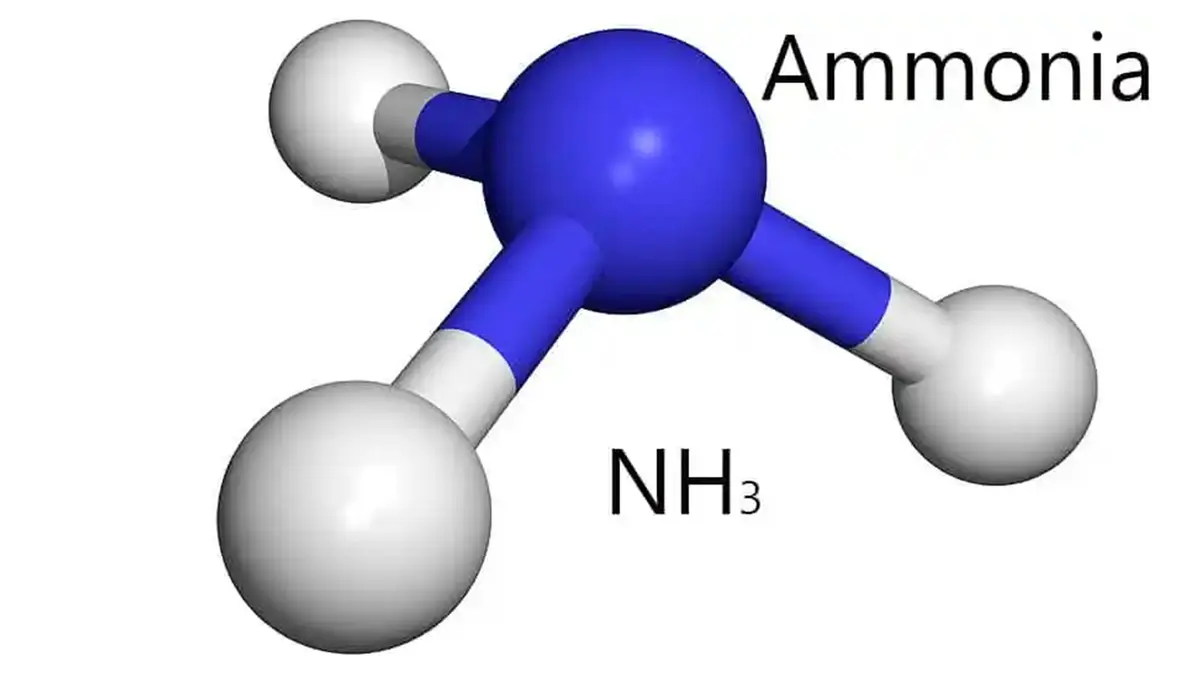
Ammonia (NH3) is a colourless gas composed of nitrogen and hydrogen. It occurs naturally as part of the nitrogen cycle and is produced by bacteria and decomposition of organic matter. Industrial ammonia is synthesised via the Haber–Bosch process, which combines nitrogen from the air with hydrogen – typically derived from natural gas – under high pressure and temperature. Liquefied ammonia is transported and stored under pressure and reverts to gas when released.
Applications and hazards
- Fertiliser production: Around 80 percent of manufactured ammonia is used to make nitrogen fertilisers such as urea and ammonium nitrate. Farmers inject anhydrous ammonia into soil, where it reacts with water to form ammonium ions that plants absorb.
- Industrial uses: Ammonia is also used in refrigerants, cleaning agents, pharmaceuticals, dyes, explosives and plastics. Its antimicrobial properties make it useful in meat processing. Researchers are exploring ammonia as a carbon‑free fuel and hydrogen carrier because it can be liquefied and transported more easily than hydrogen gas.
- Health effects: Exposure to high concentrations can irritate the eyes, skin and respiratory tract. In severe cases it causes burns and pulmonary edema. Proper handling and ventilation are essential when storing or using ammonia.
Conclusion
Ammonia is indispensable for modern agriculture and industry but poses risks if mishandled. Adopting strict safety protocols and exploring greener methods of production – such as using renewable hydrogen – can ensure its benefits while minimising hazards and emissions.