
Why in news?
India’s farming community faced a shortage of urea in May 2026. In response, the Indian Council of Agricultural Research (ICAR) urged states to use ammonium sulphate as an alternative nutrient source, especially for paddy cultivation. The suggestion highlighted the importance of this nitrogen‑and‑sulphur fertilizer during times of supply disruption.
Background
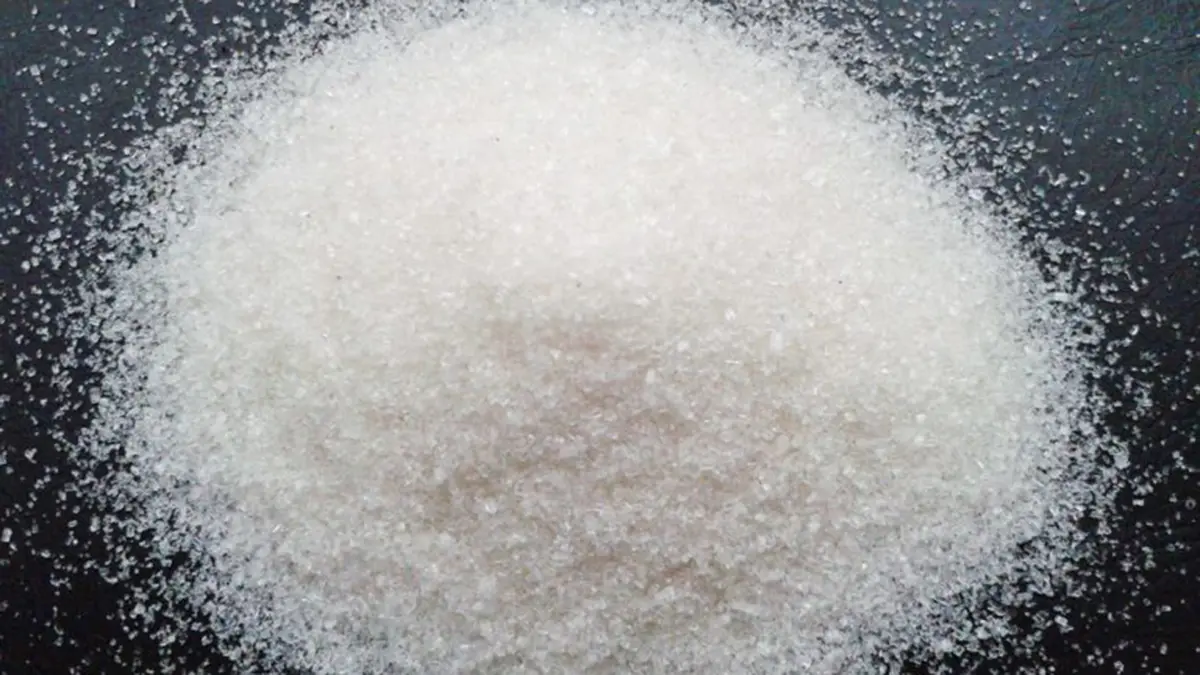
Ammonium sulphate is an inorganic salt with the chemical formula (NH4)2SO4. It was one of the first synthetic nitrogen fertilizers produced on an industrial scale. By reacting ammonia with sulphuric acid, manufacturers obtained a white crystalline solid that contains about 21 percent nitrogen and 24 percent sulphur. Its nitrogen is in the ammonium form, which reduces loss through denitrification in waterlogged soils. Because rice paddies remain flooded during much of the growing season, this fertilizer has long been valued in Asian agriculture.
Properties and uses
- Dual nutrient source: Ammonium sulphate supplies both nitrogen and sulphur. The sulphur component helps correct sulphur deficiencies in soils, which are increasingly common because of cleaner fuel regulations and reduced industrial emissions.
- High solubility: The compound dissolves easily in water, allowing rapid uptake by crops. Farmers often apply it as a basal dose before transplanting rice or blend it with irrigation water.
- Acidifying effect: When the ammonium ion is converted to nitrate by soil bacteria, it releases hydrogen ions that slightly acidify the soil. This property can be beneficial in alkaline soils but may require liming in already acidic fields.
- Non‑agricultural uses: Beyond fertilizers, high‑grade ammonium sulphate is used as a spray adjuvant to improve herbicide performance, as a protein‑precipitating agent in laboratories, as a food additive for dough conditioning, and in water‑treatment processes.
Advantages and limitations
- Suitable for flooded rice: Because its nitrogen is in ammonium form, the nutrient is less prone to leaching and denitrification losses in paddy fields compared with nitrate‑based fertilizers.
- Supports sulphur‑loving crops: Oilseeds, legumes and cereals often respond strongly to the added sulphur in ammonium sulphate. The nutrient promotes protein synthesis and improves grain quality.
- Lower nitrogen concentration: At 21 percent nitrogen, it delivers less nitrogen per kilogram than urea (46 percent). Farmers may need to apply larger amounts to meet crop demands, which increases transportation costs.
- Potential toxicity: Excessive sulphur in flooded conditions can lead to accumulation of sulphides and reduce crop yields. Balanced application and soil testing are therefore essential.
Management practices
- Broadcast ammonium sulphate and incorporate it into the soil to limit volatilization losses. In rice fields, puddling the soil after application helps retain nitrogen.
- Use it in combination with organic manures or other fertilizers to supply a balanced nutrient mix. For crops sensitive to acidity, apply lime periodically to neutralise any long‑term soil acidification.
- Monitor soil sulphur status through regular testing. Where sulphur deficiencies are common, split the recommended dose across different growth stages.
Conclusion
The temporary shortage of urea prompted a renewed look at ammonium sulphate, an old yet valuable fertilizer. By supplying two key nutrients and performing reliably in wet soils, it offers farmers a practical alternative during supply disruptions. However, careful management is essential to avoid over‑acidification and sulphur toxicity.

