

Why in news?
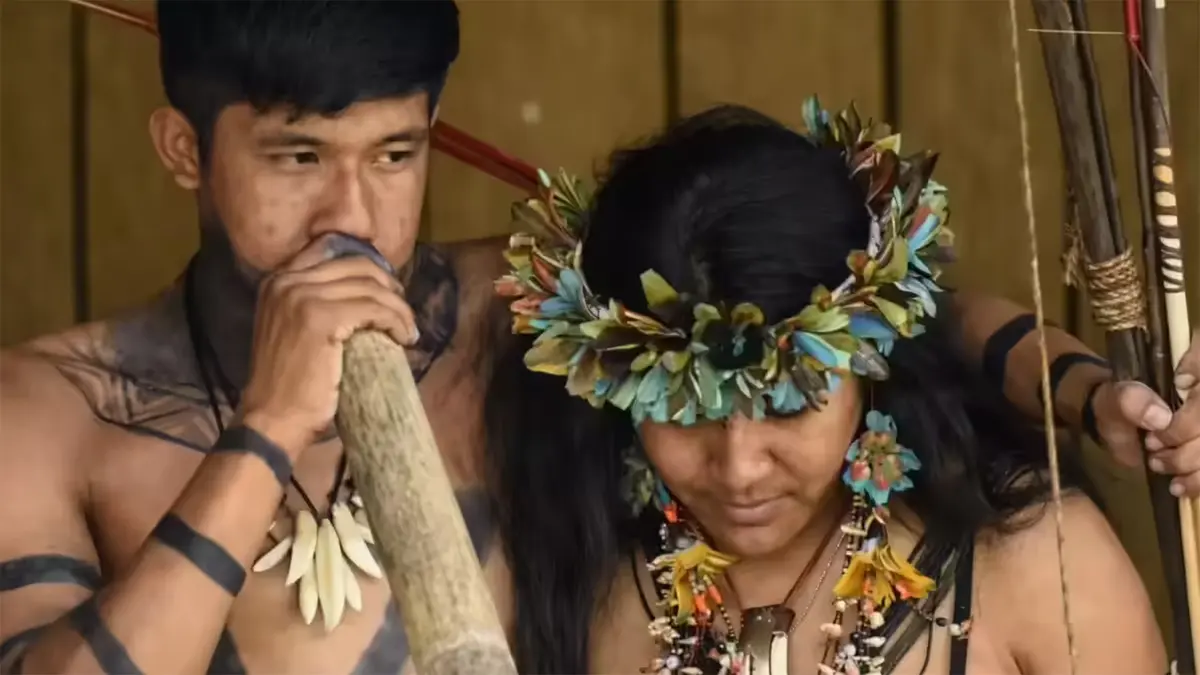
Researchers studying indigenous cultures have drawn attention to the Amondawa people of Brazil’s Amazon. A recent news report highlighted that this small community lives without clocks or calendars, marking life’s stages by changing names rather than counting years. The findings offer a glimpse into a society that organises its day around natural cycles rather than abstract time.
Background
The Amondawa are an indigenous group of roughly 150 people living deep within Brazil’s Amazon rainforest. First contacted by outsiders in the 1980s, they continue to hunt, fish and practise small‑scale farming. They speak a language that lacks words for “week”, “month” or “year” and have no tradition of keeping birthdays or measuring chronological age. Life events are recognised by changing names when a child grows up or takes on a new social role, so personal identity – not a number – defines maturity.
Key aspects of Amondawa culture
- Natural sense of time: Daily activities are guided by sunrise, sunset and seasonal changes rather than by clocks. People sequence events relative to one another but do not treat time as an independent dimension.
- Identity changes: Children and adults receive new names to mark life stages. A person might change names several times during their lifetime.
- Subsistence lifestyle: Hunting with bows and arrows, fishing in rivers, gathering wild fruits, roots and honey, and cultivating manioc and maize are central to survival.
- Challenges of contact: Increased interaction with outsiders has introduced deforestation, diseases and administrative requirements such as identity documents. Because the Amondawa do not record dates of birth, obtaining official papers has been difficult.
Significance
The Amondawa way of life provides an alternative perspective on how human societies can organise themselves without regimented schedules. Their culture illustrates that concepts of time are culturally constructed and that social identity can be anchored in community roles rather than numerical age. Understanding such societies broadens our appreciation of human diversity and highlights the importance of protecting indigenous cultures from external pressures.
Source: News18