
Why in news?
Geopolitical tensions in West Asia have highlighted the vulnerability of India’s energy imports. In response, Indian oil and gas companies are negotiating short‑term liquefied petroleum gas (LPG) and long‑term liquefied natural gas (LNG) contracts with Angola’s state‑owned Sonangol. This outreach signals a strategic shift towards diversifying energy suppliers and reducing dependence on the Strait of Hormuz.
Background
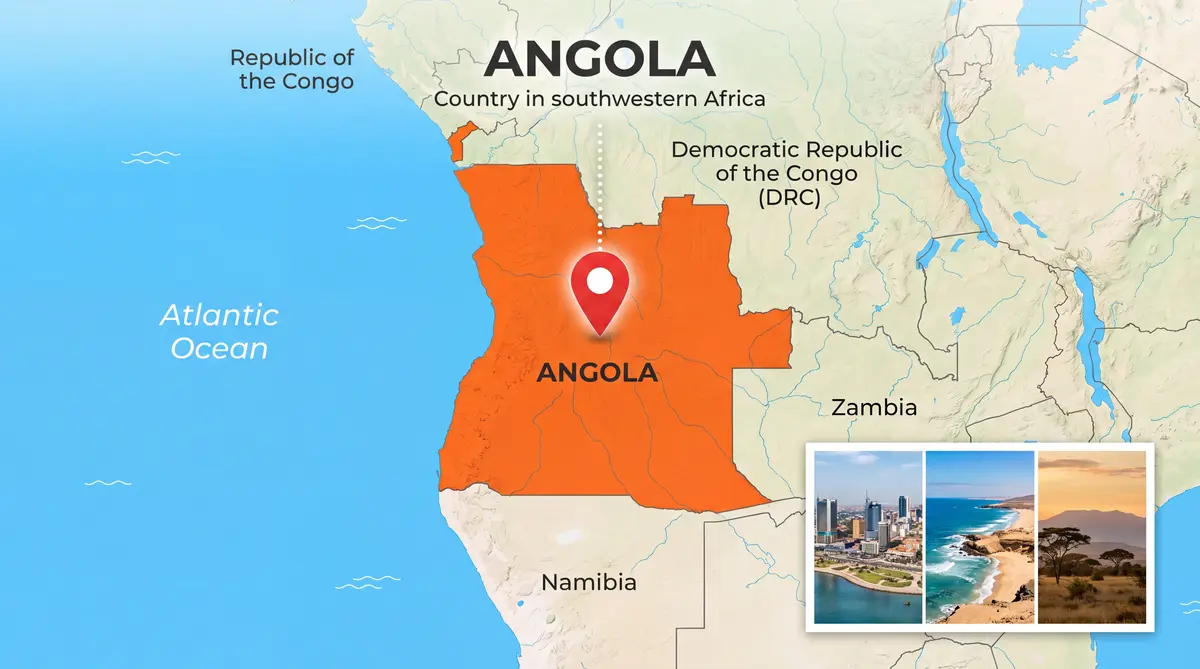
Angola is located on the southwestern coast of Africa along the Atlantic Ocean. It borders the Republic of the Congo and the Democratic Republic of the Congo to the north, Zambia to the east and Namibia to the south. Its capital and largest city is Luanda. Angola is rich in natural resources, including oil, natural gas, diamonds, iron ore and copper. According to estimates, the country possesses roughly 4.6 trillion cubic feet of natural gas reserves.
India–Angola energy ties
- Existing relationship: Angola is already an important supplier of LNG to India. In financial year 2024–25 it ranked as India’s fifth‑largest LNG source, exporting gas worth about USD 924 million.
- New negotiations: Indian Oil Corporation, Bharat Petroleum Corporation, Hindustan Petroleum Corporation and GAIL are exploring short‑term LPG contracts and long‑term LNG deals of up to ten years with Sonangol. If these agreements materialise, Angola could move into the top tier of India’s gas suppliers.
- Logistical advantages: Transporting gas from Angola takes 10–15 days less than shipments from North America, reducing supply lag and inventory costs. Such logistical benefits are attractive when domestic industries rely on steady fuel supplies.
Implications for trade
- Diversification: Even modest substitution of LPG and LNG imports from West Asia with supplies from Angola and other African nations can reduce India’s exposure to regional disruptions.
- Long‑term contracts: Structured, multi‑year contracts create predictable trade flows and open opportunities for Indian companies to invest upstream in Angola’s energy sector, moving beyond a pure buyer–seller relationship.
- Higher short‑term costs: African gas may be costlier than supplies from Qatar or the United Arab Emirates, but the trade‑off is improved supply security and reduced geopolitical risk.
Conclusion
India’s outreach to Angola reflects a deliberate strategy of diversifying energy imports and strengthening ties with African partners. By balancing cost considerations against the need for supply security, India can ensure a more resilient energy architecture while deepening economic engagement with Africa.
Source: The Hindu BusinessLine

