
Why in news?
The Zoological Survey of India (ZSI) and the Botanical Survey of India (BSI) recently released their annual reports Animal Discoveries 2025 and Plant Discoveries 2025. These reports count the new species and new records added to India’s wildlife and plant lists in 2025. The publications were launched alongside the PaleoIndia fossil portal during ZSI’s foundation day celebrations, drawing national attention to biodiversity documentation.
Background
India’s wildlife and plant wealth is monitored by two national institutions. The ZSI, founded in 1916, surveys and documents animal diversity. The BSI, established in 1890, does similar work for plants. Every year they publish reports listing species that are new to science and species recorded in India for the first time. This helps scientists track changes in biodiversity and plan conservation strategies. 2025’s findings were announced in May 2026.
Key findings
- Faunal additions: A total of 709 new faunal records were added. Of these, 483 species were described as new to science and 226 species were seen in India for the first time. With these additions India’s documented fauna now numbers 105,953 species.
- State contributions: Kerala reported the most additions (98 new species), followed by West Bengal (76), Karnataka (67) and Arunachal Pradesh (65).
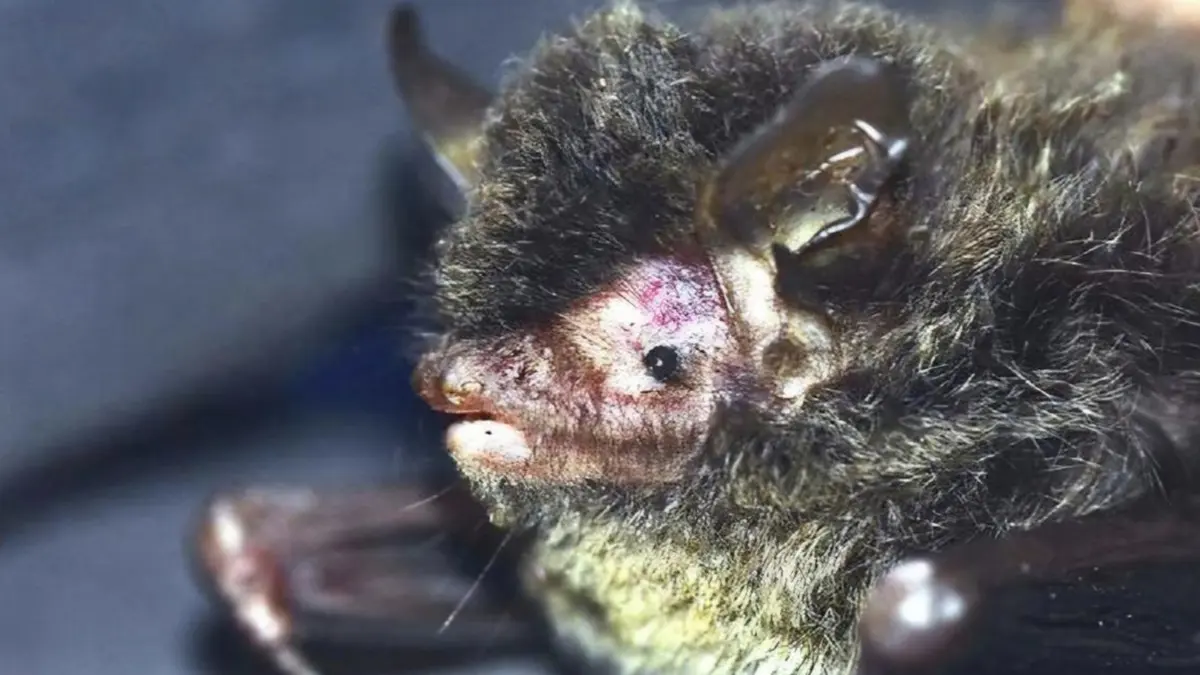
- Major groups: Hymenoptera (ants, bees and wasps) contributed the highest number of insect discoveries. Among vertebrates, several new fish, frogs, lizards and bats were recorded. Notable examples include the long‑eared Himalayan bat, a green fan‑throated lizard and Irwin’s wolf snake.
- Plant additions: The plant report recorded 353 new taxa, comprising 339 species and 14 infraspecific taxa (varieties and subspecies). Among these, 221 taxa are new to science while 132 represent new distributional records.
- Plant diversity hotspots: Arunachal Pradesh led the plant discoveries with 49 taxa, followed by Kerala, Tamil Nadu, the Andaman and Nicobar Islands and the Western Ghats. Many new species were orchids, ferns and legumes.
Significance
- Expanding knowledge: Documenting new species enhances our understanding of India’s rich biodiversity and helps researchers prioritise conservation efforts.
- Conservation planning: Knowing where and when species are discovered guides habitat protection and informs decisions on protected areas.
- Public engagement: The reports were released alongside a fossil portal and innovation hackathon, signalling government efforts to involve citizens in biodiversity science.
Conclusion
The 2025 animal and plant discovery reports show that India continues to reveal new life forms each year. Systematic surveys and modern techniques are uncovering hidden species from forests, wetlands and mountains. Such discoveries remind us of the country’s natural wealth and the need to protect fragile ecosystems from development pressures.