

Why in news?
A 2026 study reported animal myoglobin production using engineered chloroplasts in plants and a green alga. The work is an early proof of concept. It does not describe an approved commercial food product.
What is myoglobin?
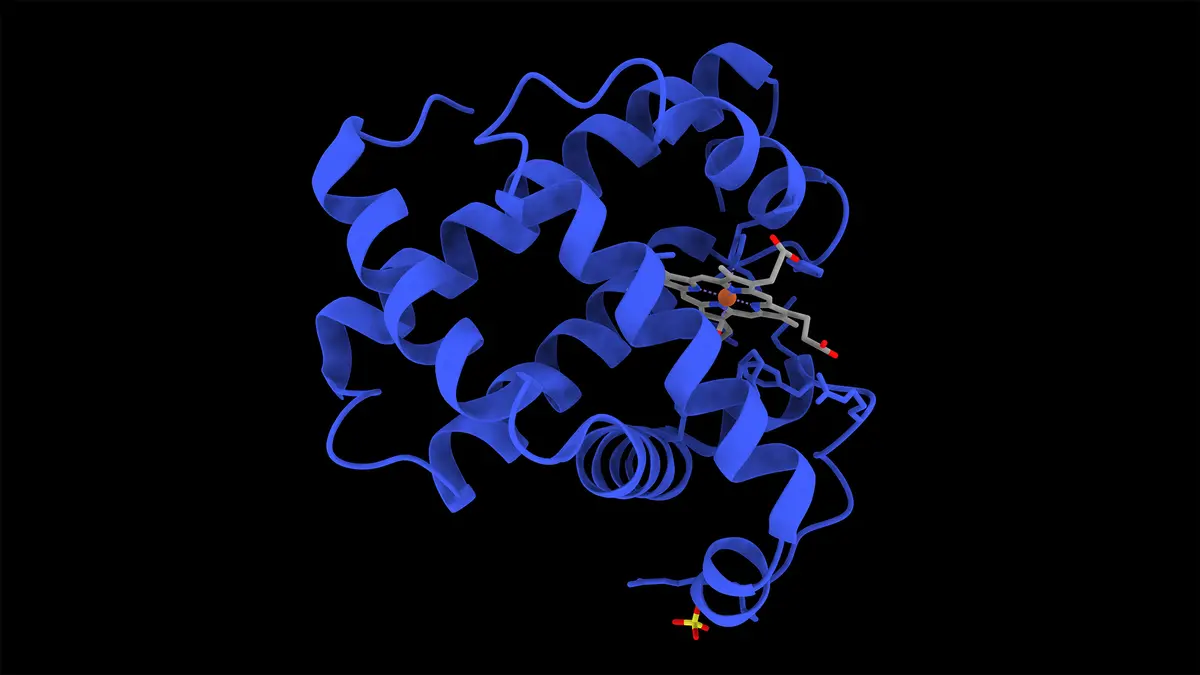
Myoglobin is a haem-containing protein found mainly in muscle cells. It stores and releases oxygen during changing muscle demand. It also contributes strongly to meat colour and flavour chemistry. Myoglobin is different from blood-borne haemoglobin.
Food companies therefore study myoglobin for plant-based or cultivated alternatives. Conventional production can require microbes and specialised fermentation facilities.
What the researchers did
The team inserted animal myoglobin genes into chloroplast genomes. Chloroplasts are the photosynthetic structures inside plant and algal cells. They expressed pig myoglobin in tobacco and lettuce; they also expressed cattle myoglobin in the alga Chlamydomonas reinhardtii.
Laboratory tests detected the intended proteins in these hosts. The study therefore established biological feasibility across different photosynthetic systems.
It did not establish commercial yield, consumer acceptance or full nutritional equivalence. Those questions require separate testing.
Why chloroplasts are useful
Each plant cell can contain many chloroplast genome copies. This feature can support substantial expression of an inserted gene. Chloroplast engineering can also keep the change separate from the nuclear genome; that may simplify some breeding and production strategies.
Maternal chloroplast inheritance can reduce pollen transmission in several crops. It is not an absolute containment guarantee for every species.
Edible hosts may eventually shorten processing chains. However, purification and quality control may still be necessary.
Scientific and regulatory questions
Researchers must confirm the protein’s structure, haem binding and functional behaviour. Detection alone does not prove identical performance. Food-safety assessment must examine allergens, unintended compounds and processing stability. Regulators will also assess the engineered host organism.
Environmental review should consider gene escape, cultivation controls and waste. Requirements will differ between contained algae systems and field-grown plants.
Economics ultimately depends on yield, land, energy, purification and scale. A living production platform is not automatically a cheaper one.
Wider implications
Plant molecular farming could produce specialised food proteins, medicines and industrial enzymes; it may diversify capacity beyond large fermentation plants. Public acceptance will depend on transparent labelling and evidence. Claims about sustainability must compare complete production systems.
Conclusion
The study expands the toolkit for alternative proteins. Its promise is real, but safety, function and commercial performance remain unproven.