
Why in news?
Between 30 March and 1 April 2026, volunteers, researchers and villagers embarked on the Aghanashini Appemidi Tree Diversity Survey, a 35 km trek along the river basin in Uttara Kannada district, Karnataka. Their aim was to document the genetic diversity of the Appemidi mango and raise awareness about threats to this unique variety.
Background
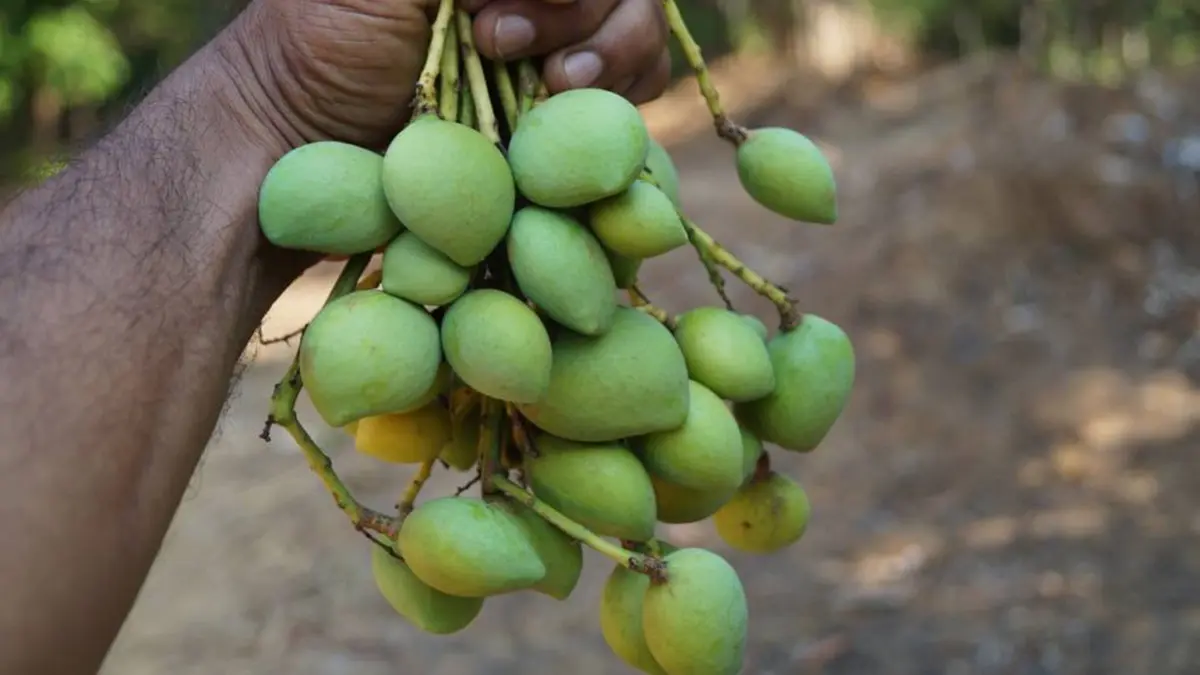
The term appemidi in Kannada refers to tiny, unripe mangoes prized for making pickles. Appemidi mangoes are endemic to the moist forests and river valleys of Uttara Kannada and Shivamogga districts in Karnataka, particularly along the Aghanashini, Bedthi and Sharavati rivers. Unlike commercial mango varieties, they grow naturally in forested landscapes rather than orchards. In recognition of their unique aroma and long shelf life, Appemidi mangoes received a Geographical Indication (GI) tag in 2009.
Features of Appemidi mango
- Size and shape: The fruits are small—often weighing around 10 grams—and shaped like a parrot’s beak. They remain green when ripe and are harvested while still tender.
- Aroma and flavour: Each tree imparts a distinct aroma to its fruit, ranging from cumin and camphor to citrus notes. The flesh is firm and sour, making it ideal for pickling.
- Varietal diversity: The survey documented nearly 75 distinct Appemidi varieties. Local names include Ananta, Bhattana, Kanchappa and Karnakundala. Researchers from the Indian Institute of Horticultural Research have preserved about 33 varieties in ex‑situ collections.
- Habitat: Trees grow along steep valley slopes and riverbanks where soil moisture remains high. They thrive in undisturbed forest belts and are seldom cultivated.
Conservation concerns
- Climate change and water stress: Locals reported that harvests have dropped sharply—from 40,000–50,000 fruits a few years ago to about 10,000–12,000 today—due to erratic rainfall and declining river flow.
- Habitat disturbance: Earth‑moving equipment, landslides and riverbank erosion threaten many trees. Fallen fruits often get washed away before they can sprout.
- Need for in‑situ protection: Researchers advocate declaring a stretch of the Aghanashini river basin as a biodiversity heritage site and including Appemidi under the Spices Board of India’s purview. In‑situ conservation—protecting trees in their natural habitat—has proved more effective than ex‑situ nurseries.
Significance
- Cultural heritage: Appemidi pickles are integral to Malnad cuisine and have been made for generations. They are now gaining popularity across India.
- Economic potential: With proper branding and conservation, Appemidi could become a niche agricultural product, benefiting local communities.
Conclusion
Appemidi mangoes represent the rich agro‑biodiversity of the Western Ghats. Protecting their natural habitats and supporting traditional harvesting practices will ensure that this tiny delicacy continues to grace kitchens for years to come.
Source: The Times of India · The New Indian Express

