

Why in news?
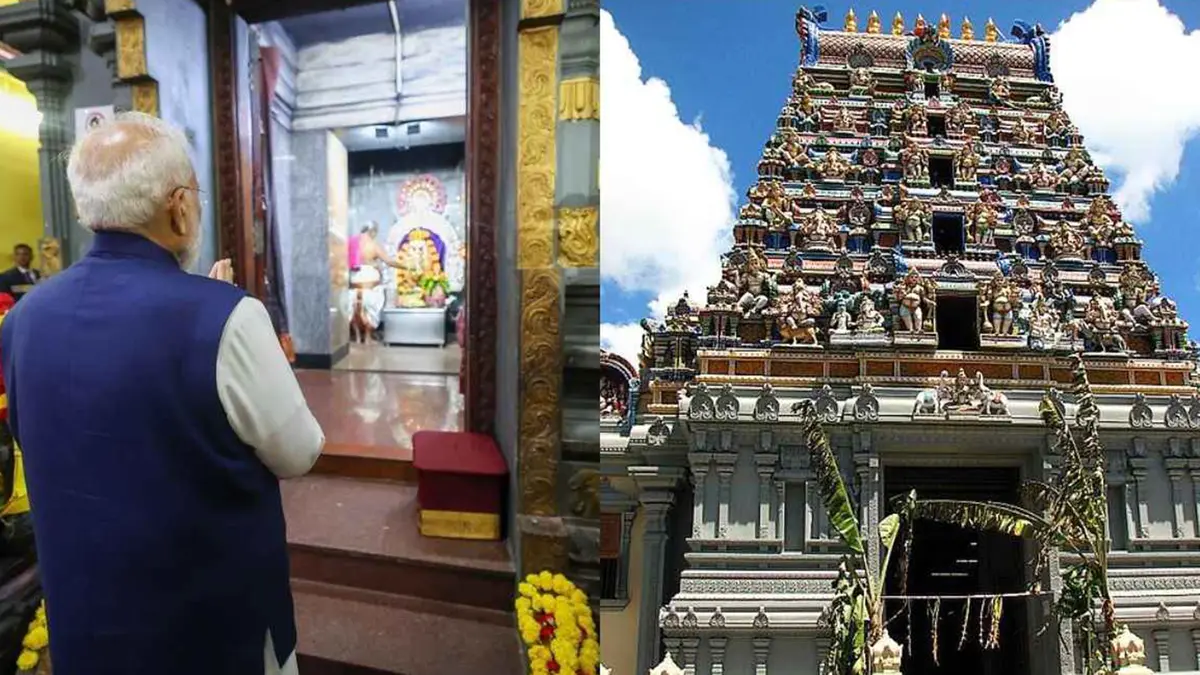
The Arul Mihu Navasakthi Vinayagar Temple in Victoria, Seychelles, celebrated its annual chariot procession with the participation of the Indian diaspora and local residents. The event drew visitors and highlighted the island nation’s multiculturalism.
Background
Seychelles is a small archipelago in the Indian Ocean. Around 2 percent of its population is Hindu, largely due to immigration from India during the colonial period. The Arul Mihu Navasakthi Vinayagar Temple, built in 1992, is the only Hindu temple in the country. It is dedicated to Lord Vinayagar (Ganesha). The temple stands near the Sir Selwyn Clarke Market in the capital city, Victoria. Visitors are expected to remove shoes and headgear before entering.
Architecture and festivals
- Design: The temple follows Dravidian style with a colourful gopuram (tower) decorated with sculptures of Hindu deities.
- Main deity: The sanctum houses a statue of Lord Vinayagar. Other shrines honour deities such as Murugan, Nataraja, Durga, Sreenivasa Perumal, Bhairava and Chandekeswarar.
- Festivals: Important events include the Kavadi festival (January–February), the annual chariot procession (August–September) and daily pujas. These celebrations attract devotees and tourists.
Conclusion
The Arul Mihu Navasakthi Vinayagar Temple symbolises the cultural diversity of Seychelles. It provides a spiritual home for the Hindu community and serves as a tourist attraction. By preserving its traditions and architecture, the temple strengthens ties between Seychelles and India.