
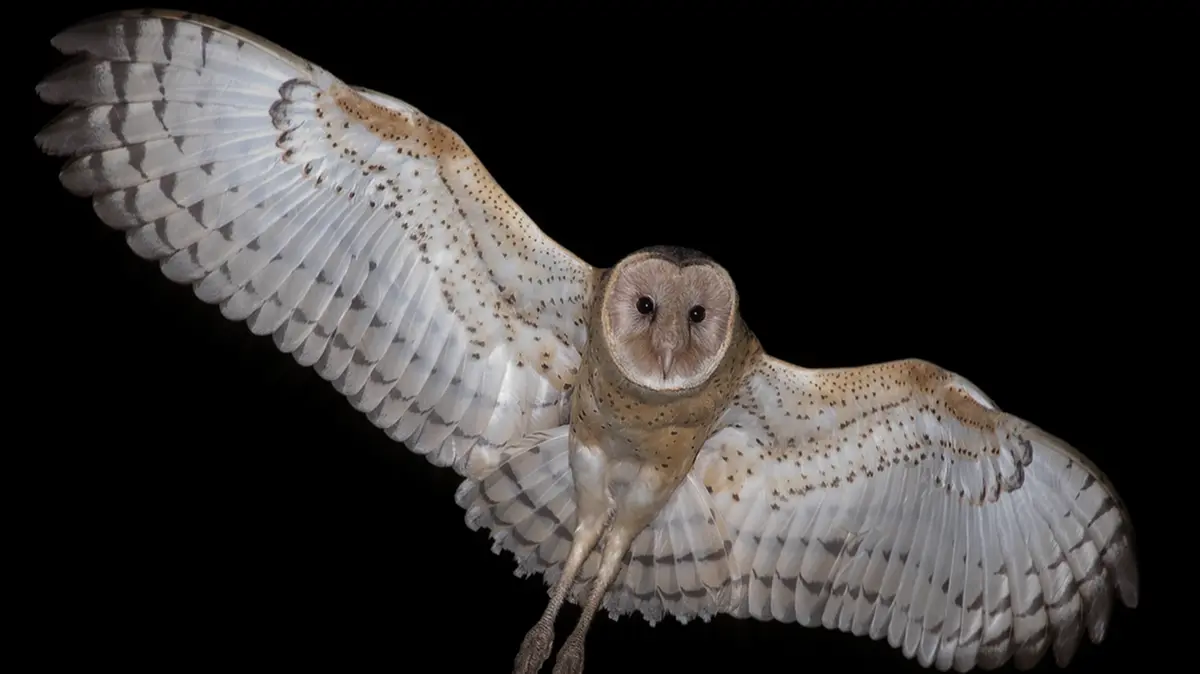
Why in news?
Birdwatchers recorded an Australian Grass Owl at Maguri-Motapung Beel in Assam on 11 July 2026. The sighting occurred during a guided session near Dibru-Saikhowa National Park. This secretive owl usually remains hidden inside tall grass. It was a locally rare sighting, not India’s first species record.
Background
Australian Grass Owl is one common name for Tyto longimembris. The bird is also called the Eastern Grass Owl or Australasian Grass Owl.
It belongs to Tytonidae, the barn-owl family. Its name can mislead readers because the species is not restricted to Australia.
Its broad range includes South Asia, Southeast Asia, East Asia, New Guinea and Australia. Some western Pacific islands also support its populations.
How can the owl be recognised?
- It has a pale, heart-shaped facial disc like other barn owls.
- Its upper body is brown with dark spots and pale markings.
- Its underparts are generally pale, with scattered dark spots.
- Its legs are unusually long for moving through dense grass.
- Its broad wings help it fly slowly above open ground.
Females are often larger and darker, while young birds remain near ground cover before they become strong fliers.
Where does it live?
The owl prefers tall grasslands, marshes, floodplains, reed beds and grassy farmland. It needs dense cover for resting and breeding.
Unlike most owls, it roosts and nests on the ground, making tunnel-like paths through grass around its resting place.
The bird is mainly nocturnal and starts hunting after dusk, and it flies low while listening for movement below.
What does it eat?
Small mammals, especially rats and mice, form most of its diet, but it also takes birds, reptiles and large insects.
Its facial disc directs sound towards the ears, and this adaptation helps it locate prey under thick vegetation.
Grass owls control rodents in wetlands and farms, but poisoned prey can expose these birds to harmful chemicals.
Why is this owl difficult to observe?
- It spends daylight hours deep inside tall vegetation.
- It becomes active mainly after darkness.
- Its plumage blends with dry grass and reeds.
- It often leaves quietly before an observer approaches.
- Wetland access becomes difficult during the monsoon.
Important distinction: A rare local sighting does not mean the species is globally endangered. Local abundance and global conservation status measure different things.
Conservation status and threats
The International Union for Conservation of Nature lists the species as Least Concern. Its large range supports this global assessment.
However, populations can decline wherever tall grasslands disappear, and wetland drainage, burning and intensive mowing can destroy ground nests.
Grazing may remove breeding cover, while pesticides can reduce prey. Rodenticides poison rodents and can then harm an owl eating them.
Remember: “Least Concern” describes global extinction risk, and it does not guarantee safety in every state or wetland.
About Maguri-Motapung Beel
Maguri-Motapung is a floodplain wetland in Tinsukia district of eastern Assam. In this region, a “beel” means a natural wetland or lake.
The wetland lies beside Dibru-Saikhowa National Park, and local channels connect its waters with the Dibru and Brahmaputra river systems.
Open water, reeds and grasslands support many resident and migratory birds, and fishing and nature tourism also support nearby communities.
The landscape contains wetlands, river islands and seasonally flooded forests, and this habitat mixture explains its rich bird diversity.
Why does the sighting matter?
One observation cannot establish a breeding population, and repeated records can reveal seasonal use, habitat needs and local population trends.
Protecting tall wetland grass benefits many ground-nesting species, and it also protects fish nurseries, flood storage and local livelihoods.
Conclusion
The Assam sighting shows why overlooked wetland grasslands need protection, alongside better knowledge about their hidden biodiversity.