

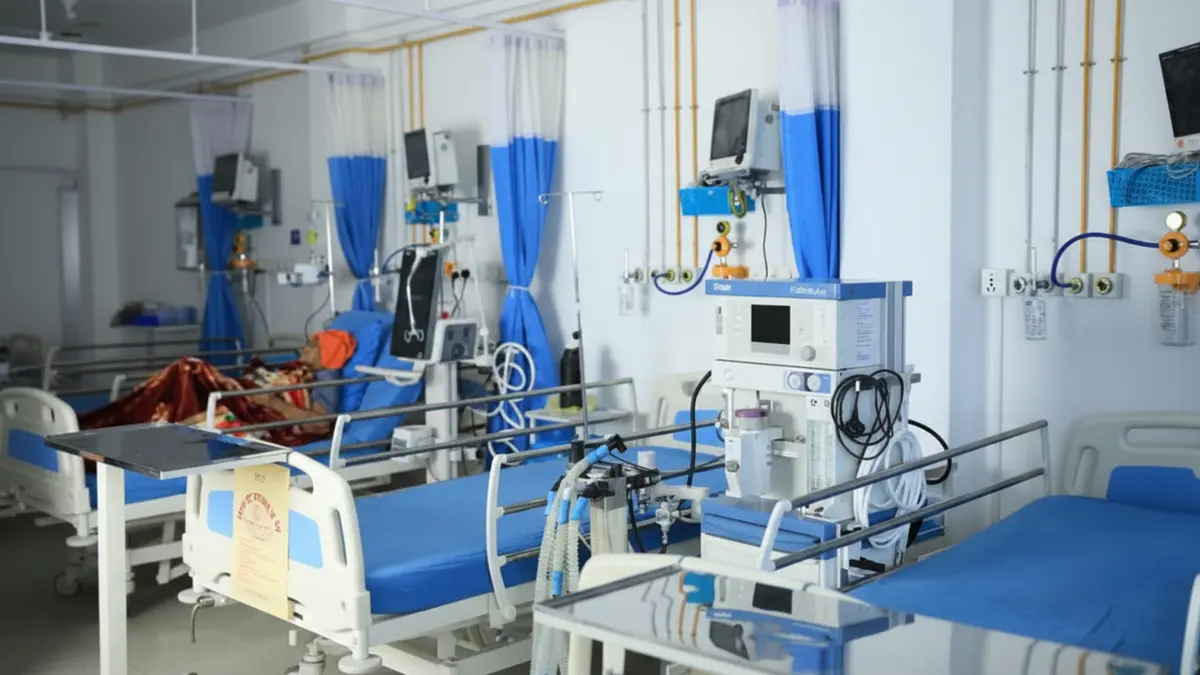
Why in news?
The Ayushman Sahakar scheme has been highlighted for its potential to strengthen healthcare infrastructure in rural and semi‑urban areas. Launched by the National Co‑operative Development Corporation (NCDC) in October 2020, the scheme finances co‑operative societies to set up or upgrade hospitals, diagnostic centres, AYUSH facilities and telemedicine networks.
Background
India’s healthcare system faces shortages of hospitals and trained staff, particularly outside major cities. Co‑operatives can pool resources and community ownership to fill gaps. Ayushman Sahakar aligns with the government’s broader aim of universal health coverage and integrates modern and traditional medicine.
Main features
- Financial assistance: The NCDC offers term loans up to ₹10,000 crore in total to eligible co‑operatives for building or modernising hospitals, medical colleges, nursing schools, AYUSH wellness centres, diagnostic labs and telemedicine hubs.
- Repayment period: Loans can be repaid over eight years with a moratorium of one to two years, giving projects time to become financially viable.
- Interest rebate: Cooperatives where women members form a majority and repay on schedule receive a one‑percent interest concession, encouraging female participation and timely repayment.
- Coverage: The scheme supports both allopathic and AYUSH systems. It also covers supporting infrastructure like nursing colleges, warehouses for pharmaceuticals and health insurance for cooperative members.
Significance
- Improved access: By funding hospitals and clinics in underserved areas, the scheme brings healthcare closer to rural populations.
- Promoting co‑operative model: Community ownership fosters accountability, affordability and social inclusion.
- Women empowerment: The interest rebate for women‑majority cooperatives incentivises female leadership in health ventures.
- Supporting Ayush: By financing AYUSH facilities, the scheme promotes India’s traditional systems alongside modern medicine.
Conclusion
Ayushman Sahakar offers a blueprint for community‑driven healthcare development. Its success will depend on effective project selection, capacity building and strict quality standards to ensure that financed facilities deliver affordable and reliable care.
Sources: PIB