
Why in news?
The Agricultural and Processed Food Products Export Development Authority (APEDA) shipped its first commercial consignment of Banganapalle mangoes to Singapore by sea on 11 June 2026. The ship arrived on 24 June, making headlines because sea shipments of fresh fruit are rare from India.
Background
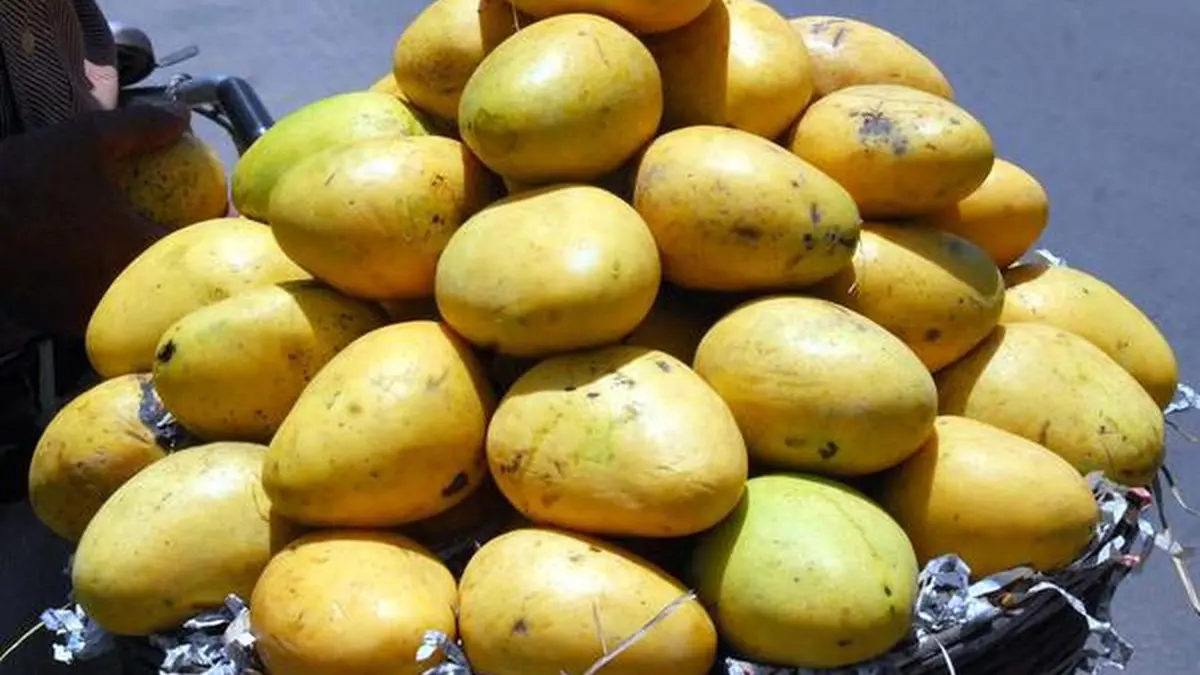
Banganapalle (also spelt Benishan) is a famous mango variety from Andhra Pradesh. It holds a geographical indication (GI) tag and is prized for its golden yellow skin, fibreless pulp and sweet flavour. Farmers in Andhra Pradesh and Telangana cultivate the fruit on a large scale. Traditional exports use air cargo because mangoes are perishable. Transporting them by sea poses challenges due to longer transit times and the need for controlled atmosphere containers.
Details of the shipment
- Consignment size: The shipment contained 5 metric tonnes of mangoes. They were harvested from Good Agricultural Practices (GAP) certified orchards.
- Cold chain: The fruits were packed at an APEDA‑recognised facility in Karnataka. Controlled storage and temperature ensured that the mangoes stayed fresh for the voyage.
- Farmer benefits: Because of exports, growers received around ₹50 per kilogram, which is almost double the ₹25–26 paid in domestic markets. Sea freight lowers transport cost compared with air cargo, making the supply chain more sustainable.
- Market demand: Banganapalle is highly popular in Singapore and other South‑East Asian markets. Its sweet taste and fibreless texture make it ideal for desserts and smoothies.
Conclusion
This successful sea shipment shows that Indian exporters can deliver premium fruit by sea when proper cold chain systems are used. It improves farmer incomes, reduces carbon footprint and opens more markets for India’s mango heritage.