
Why in news?
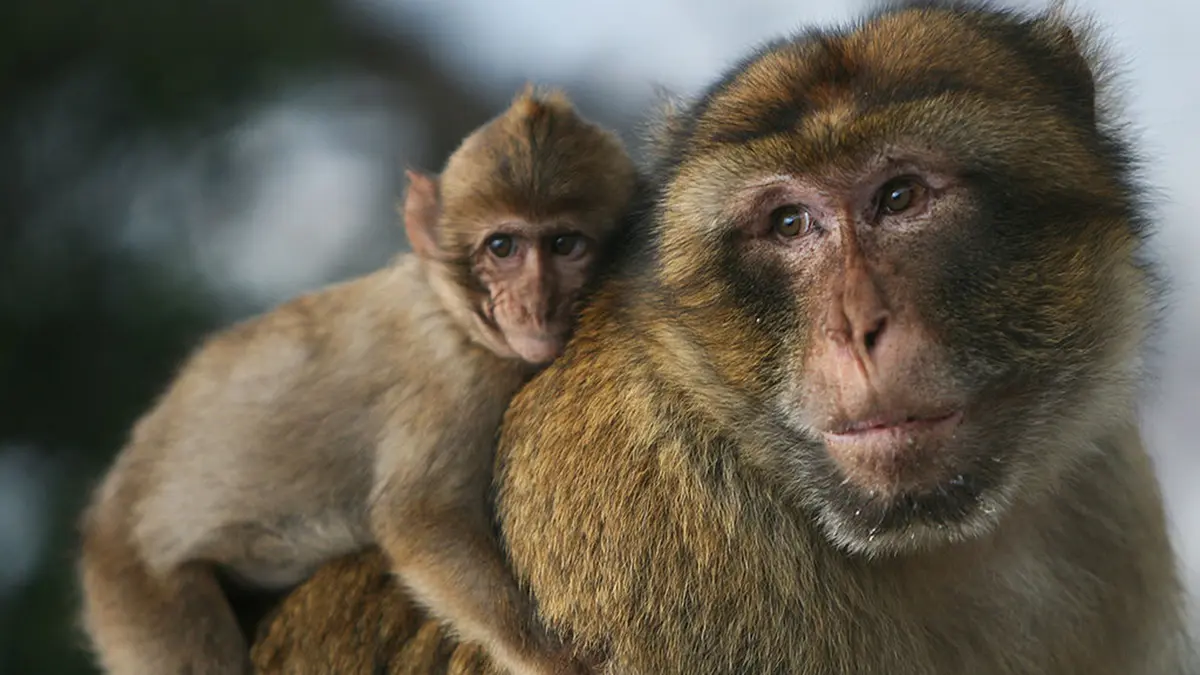
A behavioral study from Gibraltar observed that Barbary macaques often eat soil after consuming tourist‑provided food such as bread, biscuits and ice‑cream. The finding has drawn attention because it suggests a natural coping mechanism for animals that have adapted to human interactions.
Background
The Barbary macaque (Macaca sylvanus) is a tailless monkey found in Morocco, Algeria and the British territory of Gibraltar. It is one of the few macaque species living outside Asia and is classified as Endangered due to habitat loss and hunting. Adults have thick yellowish–brown fur and weigh around 16 kg for males and 11 kg for females. These social primates live in groups and display cooperative rearing of infants.
Geophagy study findings
- Observations in Gibraltar. Researchers recorded dozens of instances where macaques consumed soil immediately after eating calorie‑dense human foods. They preferred red soil and sometimes chewed pieces of decayed wood.
- Possible reasons. Eating earth (geophagy) may help buffer digestive disturbances caused by rich foods. Soil can act as a physical barrier against toxins and may supply beneficial gut bacteria.
- Behavior linked to diet changes. The study noted that geophagy events were more frequent after the macaques received biscuits or ice‑cream from tourists, implying a direct link between unnatural diet and soil eating.
Natural history of the species
- Habitat. Barbary macaques inhabit cedar forests and rocky areas in the Atlas Mountains and live at elevations up to 2,600 metres. In Gibraltar they roam freely among people and are accustomed to human presence.
- Social structure. Groups consist of several males and females with their young. Males participate in rearing infants and social bonds are reinforced through grooming.
- Conservation status. Population numbers have been declining due to deforestation, capture for the pet trade and disturbance from tourism. Protecting habitats and controlling feeding by visitors are key conservation measures.
Significance
The observed geophagy highlights how wildlife adapts to human activities. For conservationists, it underscores the need to regulate feeding practices in tourist areas. Understanding the macaques’ diet and behaviour can guide eco‑tourism policies and help protect this charismatic species.
Source: Down To Earth

