Why in news?
On 1 March 2026, four people drowned in the Beas River near Bharoli village in Kangra district, Himachal Pradesh. Police and State Disaster Response Force teams recovered three bodies and continued searches for the fourth. The incident has renewed calls for strict safety measures along this Himalayan river.
Background
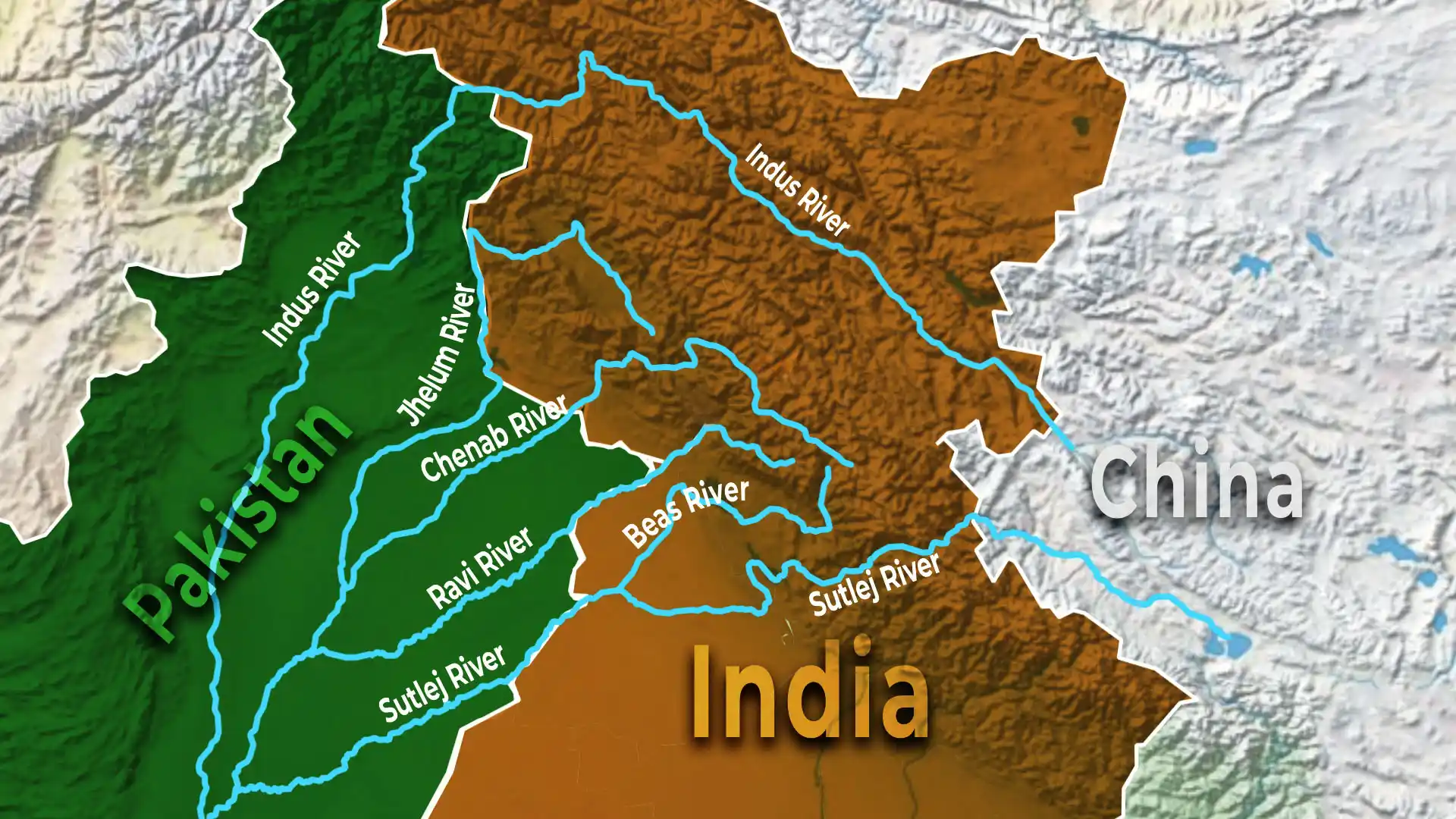
The Beas is one of the five major rivers of Punjab and forms part of the Indus river system. It rises in the Rohtang Pass in Himachal Pradesh at an elevation of about 4,361 metres and flows roughly 470 km south‑west through the Kullu and Kangra valleys before joining the Sutlej River near Harike in Punjab. The river marked the eastern limit of Alexander the Great’s conquests in 326 BCE.
Ecology and uses
- Agriculture and water supply: The Beas irrigates fertile plains in Punjab and provides water for agriculture, hydropower and drinking purposes. Dams and barrages regulate its flow.
- Biodiversity: The river’s upper catchment supports trout and mahseer fish, while its banks harbour diverse flora and fauna. Parts of its basin fall under protected areas.
- Tourism: Towns such as Manali, Kullu and Kangra attract tourists for rafting, angling and scenic landscapes along the Beas.
Hazards and past incidents
- Flash floods and dam releases: Sudden releases from hydroelectric dams can cause rapid rises in water level downstream. In 2014, 24 engineering students died near Mandi when a sudden surge from the Larji dam swept them away.
- Landslides and monsoon floods: Heavy rains and landslides in the Himalayas can turn the river into a torrent, endangering settlements and infrastructure.
- Trespassing and negligence: Tourists and locals sometimes underestimate the river’s currents, leading to accidents. Warning signs and bans on bathing are often ignored.
Safety measures
- Strict enforcement: Authorities should enforce restrictions on swimming and rafting during periods of high flow. Clear warning boards and patrolling can deter risky behaviour.
- Public awareness: Tourists and pilgrims need education on the dangers of Himalayan rivers and the importance of following safety guidelines.
- Dam management: Hydropower operators must issue timely warnings and coordinate with downstream communities before releasing water.