
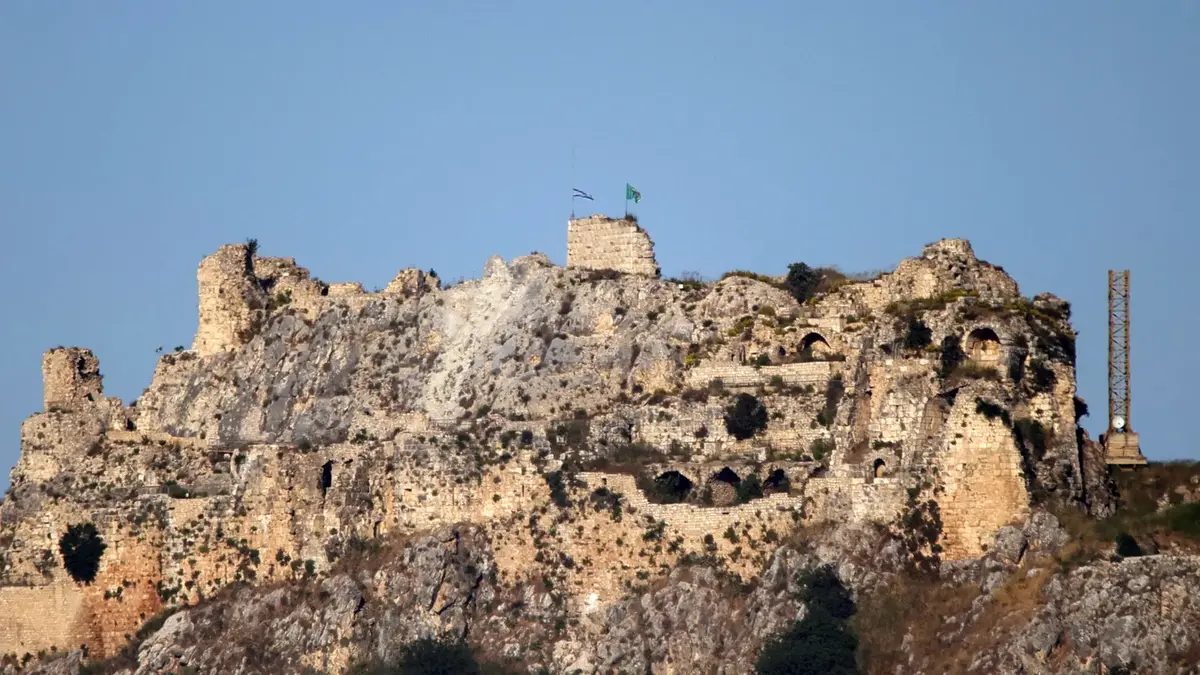
Why in news?
On 1 June 2026 Israeli troops seized the mediaeval Beaufort Castle near Nabatieh in southern Lebanon during their deepest incursion since withdrawing in 2000. The 12th‑century hilltop fortress overlooks the Litani River and offers commanding views of the border region. Its capture underscored the strategic importance of high ground in modern warfare.
Background
Beaufort Castle, also known as Qal’at Shaqif, stands on a 300‑metre‑high cliff above the Litani. Crusaders built the fortress after 1139 to guard the road between Damascus and the Mediterranean. It fell to Saladin in 1190 and changed hands repeatedly: Crusaders briefly recaptured it, the Mamluk sultan Baibars seized it in 1268, and the Ottomans later incorporated it into their empire. In the 20th century the castle became a strategic outpost for various forces, including the Palestine Liberation Organization (PLO) and, later, the Israeli Defence Force (IDF).
Recent events
- 1982 occupation: During Israel’s 1982 invasion of Lebanon, the IDF captured Beaufort Castle after heavy fighting with the PLO. Israel held the site until its withdrawal from southern Lebanon in 2000.
- 2026 incursion: In response to cross‑border attacks, Israeli forces advanced up to 30 kilometres into Lebanon on 1 June 2026. They reached Beaufort without major resistance, raised flags atop its ramparts and used the castle as an observation post.
- Symbolic value: The fortress’s capture had psychological impact because it had long been a symbol of resistance for Lebanese militants. Images of troops standing on the crumbling walls spread quickly on social media.
Conclusion
Beaufort Castle’s enduring importance stems from geography more than masonry. Its elevated position gives whoever holds it an advantage in monitoring and controlling movement in southern Lebanon. While the fortress itself is a relic of Crusader and Mamluk wars, its recent capture shows that high ground remains coveted in modern conflicts.