

Why in news?
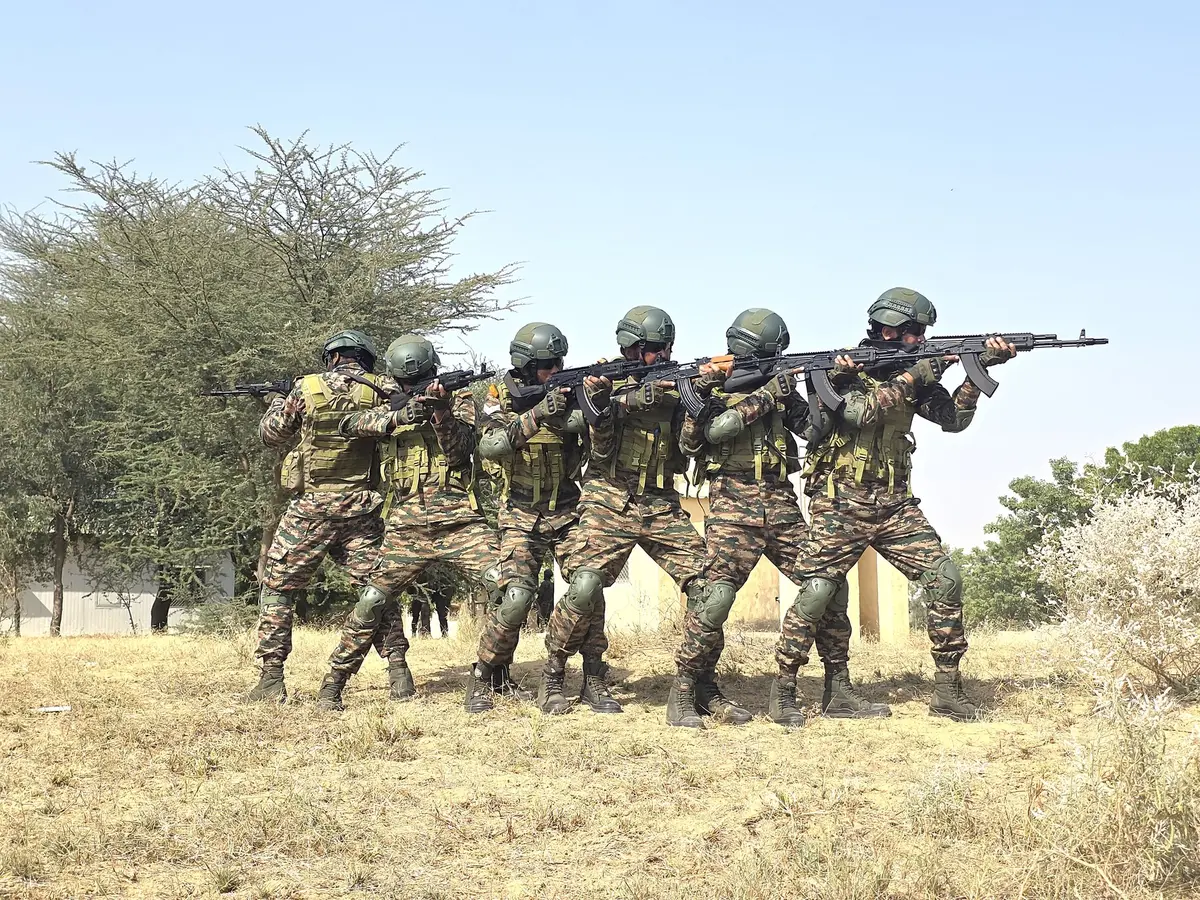
The Indian Army has begun raising Bhairav Battalions, specialised formations designed for quick cross‑border operations along sensitive stretches of the western and northern frontiers. The new units aim to bridge the gap between conventional infantry and elite special forces and will be deployed in Jammu‑and‑Kashmir and the northeastern region.
Background
As border tensions have evolved, the Army recognised the need for highly mobile troops capable of undertaking raids, surveillance and limited offensive tasks without waiting for heavier formations. Each Bhairav Battalion consists of around 250 soldiers drawn from infantry, artillery, signals, engineers and other arms. Troops undergo cross‑training in weapons, communications and combat medicine and are equipped with light vehicles, drones and shoulder‑fired missiles.
Features of Bhairav Battalions
- All‑arms composition: Unlike traditional infantry units, these battalions mix soldiers from different corps to create self‑sufficient teams.
- Motto: The units operate under the banner of Abhayam Bhairav (“Fearless Bhairav”), signifying courage and readiness.
- Deployment: Battalions are positioned along the Line of Control and other strategic sectors, ready to respond within minutes to incursions or to undertake retaliatory actions.
- Equipment: Soldiers use new assault rifles, night‑vision devices, loitering munitions, unmanned aerial vehicles and communication systems for situational awareness.
Significance
- Deterrence: The presence of agile units deters adversaries from small‑scale incursions or raids.
- Operational flexibility: Bhairav Battalions can act independently or support larger brigades, giving commanders more options.
- Reduced burden on special forces: By handling limited operations, they allow special forces to focus on strategic tasks.
Source: India Sentinels