
Why in news?
Recent research highlighted that applying biochar to soil can increase crop yields by 10 to 30 percent and improve water‑holding capacity by 10 to 25 percent, especially in nutrient‑poor soils. These findings have renewed interest in biochar as a sustainable farming input and climate mitigation tool.
Background
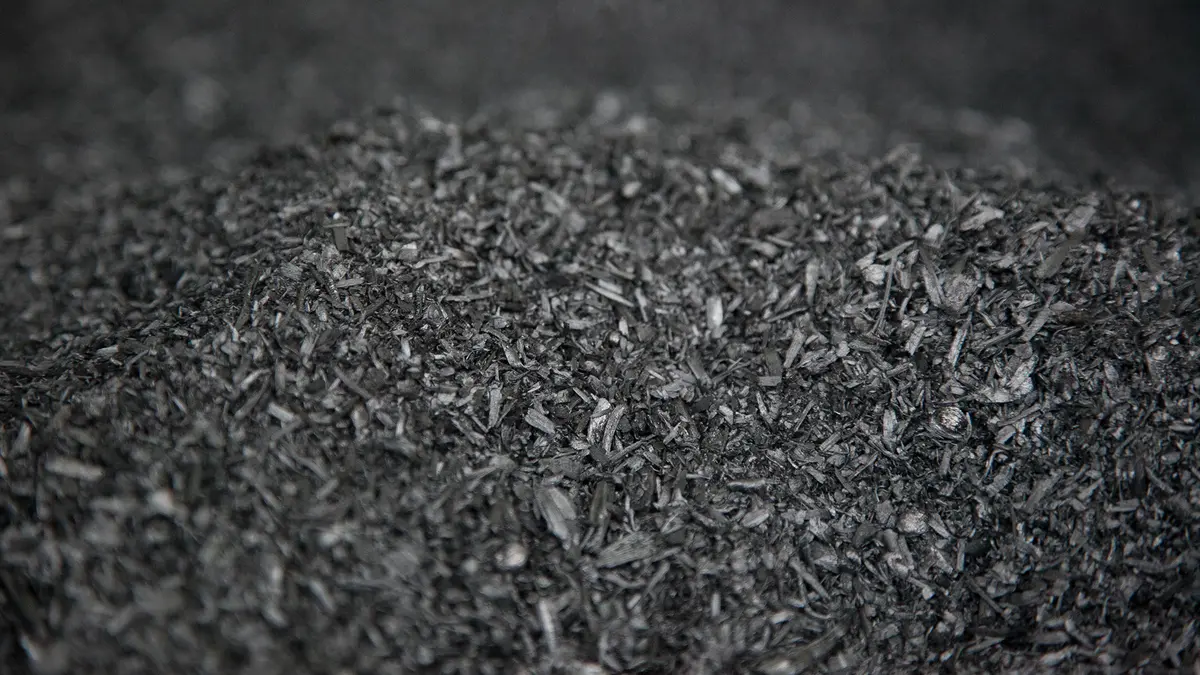
Biochar is a carbon‑rich material produced by heating biomass such as crop residues, manure or wood in the absence or near absence of oxygen – a process called pyrolysis. When buried in soil biochar persists for hundreds to thousands of years, acting as a stable carbon sink. Indigenous peoples in the Amazon created fertile “terra preta” soils by adding charcoal and organic waste, showing biochar’s potential long before modern science explored it.
Benefits
- Soil improvement: Biochar’s honeycomb structure increases soil porosity, helping retain water and nutrients and providing habitat for beneficial microbes. This can reduce irrigation requirements and enhance plant growth.
- Carbon sequestration: When produced from agricultural waste, biochar locks atmospheric carbon in a stable form. Depending on production conditions, it can store carbon for 100 to 10 000 years.
- Industrial applications: Modified biochar can adsorb carbon dioxide from industrial exhausts, serve as a low‑carbon building material, and treat wastewater by binding contaminants.
Conclusion
Biochar offers a multi‑pronged approach to sustainable agriculture and climate mitigation. Wider adoption will depend on ensuring cost‑effective production, developing markets for co‑products and tailoring application rates to local soil conditions.