
Why in news?
India depends on West Asian suppliers for roughly one‑third of its bitumen needs. In early 2026 geopolitical tensions in the region disrupted shipping through the Strait of Hormuz. Indian imports fell from 2.97 lakh tonnes in April 2025 to 2.36 lakh tonnes in April 2026, and consumption dropped by a third. Road contractors faced supply shortages and price spikes, prompting the National Highways Authority of India to offer relief measures.
Background
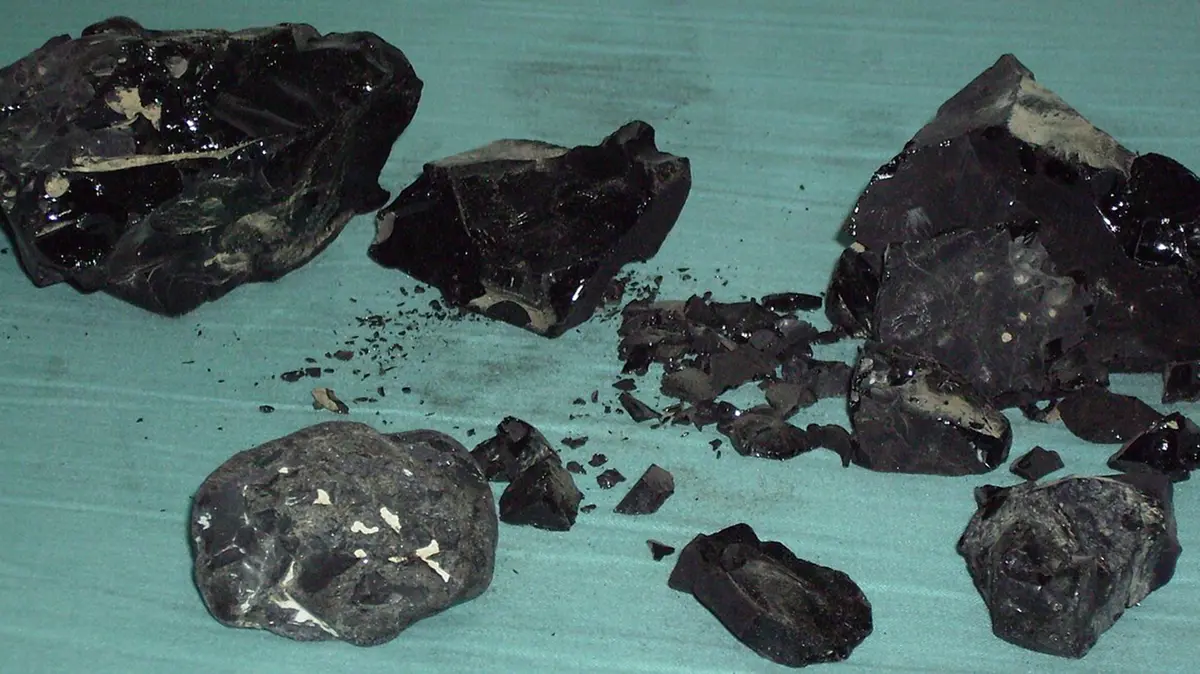
Bitumen is a dark, viscous material produced by distilling crude oil. In North America it is called asphalt cement or asphalt binder. Bitumen softens when heated but is non‑volatile at room temperature. Its typical composition is 79–88 percent carbon, 7–13 percent hydrogen and 2–8 percent oxygen, with small amounts of sulphur, nitrogen and metals. Because it is sticky and water‑resistant, bitumen is widely used as a binder in road construction and roofing. It has been used since ancient times; the Indus Valley civilisation employed natural bitumen to waterproof tanks and baths.
Impact of the supply disruption
- Import dependency: India requires about 90 lakh tonnes of bitumen each year. Domestic refineries supply around 54 lakh tonnes, leaving a shortfall of 30–40 percent that must be imported. Almost all imports come from Iraq, the United Arab Emirates, Iran, Oman and Bahrain.
- Reduced availability: During the West Asia conflict imports fell sharply. Consumption also declined as construction firms delayed road work in the face of uncertain supplies.
- Highway projects at risk: India aims to build 10,000 kilometres of national highways annually. Bitumen shortages threaten this target and may slow the pace of road expansion.
- Relief measures: The National Highways Authority of India has invoked force majeure clauses in some contracts and allowed price adjustments to protect contractors from unexpected cost increases.
- Need for alternatives: Researchers are exploring bio‑bitumen from agricultural residues and recycled plastics. Diversifying suppliers and increasing domestic production could also reduce dependence on volatile foreign markets.
Conclusion
Bitumen is the glue of modern roads. Supply disruptions have a ripple effect on infrastructure and economic activity. India should invest in domestic refining capacity, develop environmentally friendly substitutes and improve supply chain resilience to keep its highway programme on track.