Why in news?
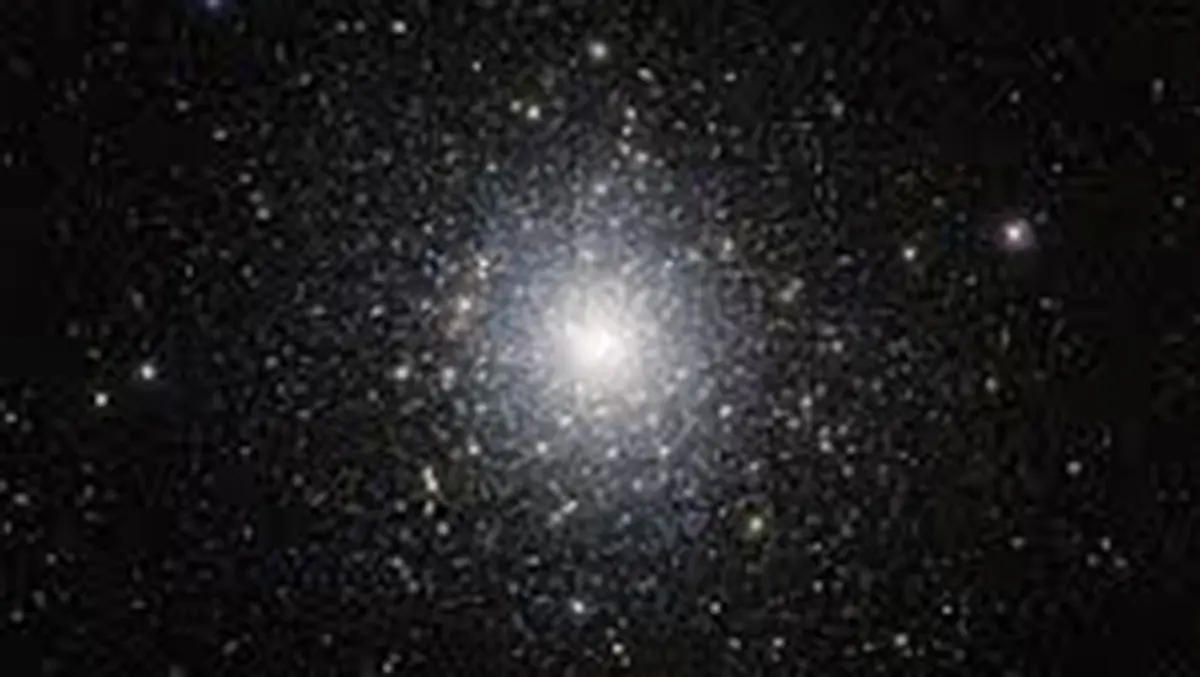
Astronomers analysing data from the Hubble Space Telescope released a comprehensive catalogue of blue straggler stars in May 2026. Their study, spanning 48 globular clusters, revealed that these peculiar stars are more common in low‑density clusters. The findings shed light on how binary star evolution, rather than stellar collisions, creates blue stragglers.
Background
In a cluster of old stars, most stars occupy a narrow band on a graph known as the main sequence. Blue straggler stars deviate from this pattern: they appear bluer and more luminous than other cluster members of the same age, making them look deceptively young. Since their discovery in the 1950s, scientists have debated whether blue stragglers form through direct collisions between stars or through mass transfer between binary companions.
Key findings of the 2026 study
- Large sample: The research team compiled a catalogue of over 3,000 blue stragglers using ultraviolet observations of 48 globular clusters.
- Cluster environment matters: The study found that blue stragglers are more abundant in low‑density clusters where binary stars can survive intact. In dense clusters collisions can disrupt binaries, reducing the number of blue stragglers.
- Binary origin: The results support the theory that blue stragglers mainly arise from mass transfer in binary systems. When one star in a close pair expands, material flows onto its companion, rejuvenating it and making it appear younger and more massive.
- Implications: Understanding blue stragglers helps astronomers refine models of stellar evolution and interpret the ages of star clusters more accurately.
Conclusion
The Hubble survey provides the strongest evidence yet that blue stragglers are products of binary star evolution. By showing that environment plays a crucial role in their formation, the study resolves decades‑long debate and enhances our knowledge of how stars interact and age within clusters.
Sources: PIB