
Why in news?
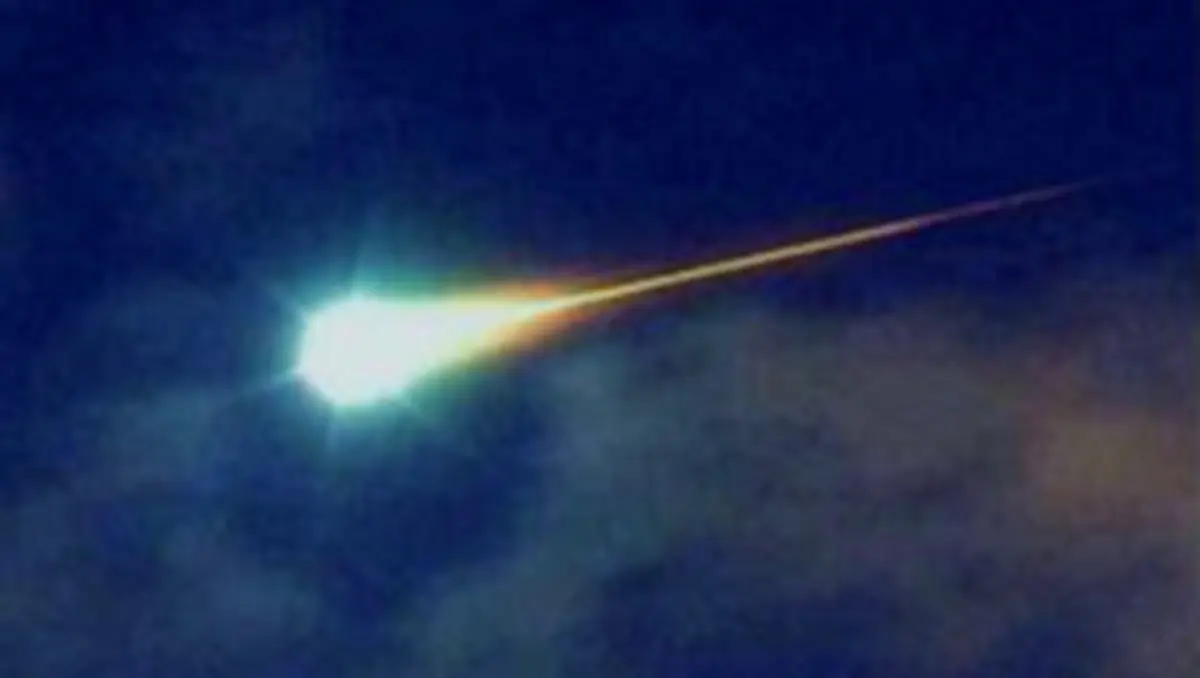
Residents of Boston recently witnessed a sudden flash of light followed by a loud boom. Astronomers suspect the event was caused by a large bolide—a meteor that explodes as it enters the atmosphere. Such sightings spark curiosity about these spectacular space rocks and their impact on Earth.
Background
Space is littered with debris ranging from tiny dust grains to large rocks left over from the formation of the solar system. When these objects plunge toward Earth they encounter friction in the upper atmosphere, heat up and streak across the sky. A small rock becomes a meteor; if it survives to the ground it is called a meteorite. A bolide is an exceptionally bright meteor, often large enough to explode violently as pressure builds during entry. The explosion produces a brilliant flash and sometimes sonic booms that rattle windows. Famous examples include the Chelyabinsk event in Russia in 2013, which injured hundreds, and the Tunguska explosion in Siberia in 1908, which flattened forests over a vast area.
Characteristics of bolides
- Size and brightness: Bolides are much brighter than typical meteors because they are usually larger, often tens of centimetres to several metres across.
- Explosive break‑up: As the meteor plunges deeper into the atmosphere, pressure builds and causes the rock to fragment violently. This produces a flash of light and, in some cases, audible booms.
- Frequency: Bolides occur more often than we realise—several times a year—but many go unnoticed because they explode over oceans or remote areas.
- Scientific value: Studying bolides helps scientists understand the composition of meteoroids and the physics of atmospheric entry. Fragments recovered on the ground can reveal information about the early solar system.
Why the Boston event matters
Although most bolides disintegrate harmlessly, occasional events remind us of the need for monitoring. Early‑warning systems using satellites and infrasound sensors can detect incoming objects and estimate their energy. International collaboration between space agencies and meteor networks helps scientists track these events and recover meteorites for study. The Boston sighting sparked public interest and highlighted the value of citizen reports in locating fragments.
Conclusion
Bolides are spectacular natural fireworks that demonstrate Earth’s ongoing interaction with cosmic debris. While dramatic flashes and booms may startle observers, such events rarely cause damage. They offer scientists a window into our solar system’s past and remind us of the importance of monitoring near‑Earth objects.