
Why in news?
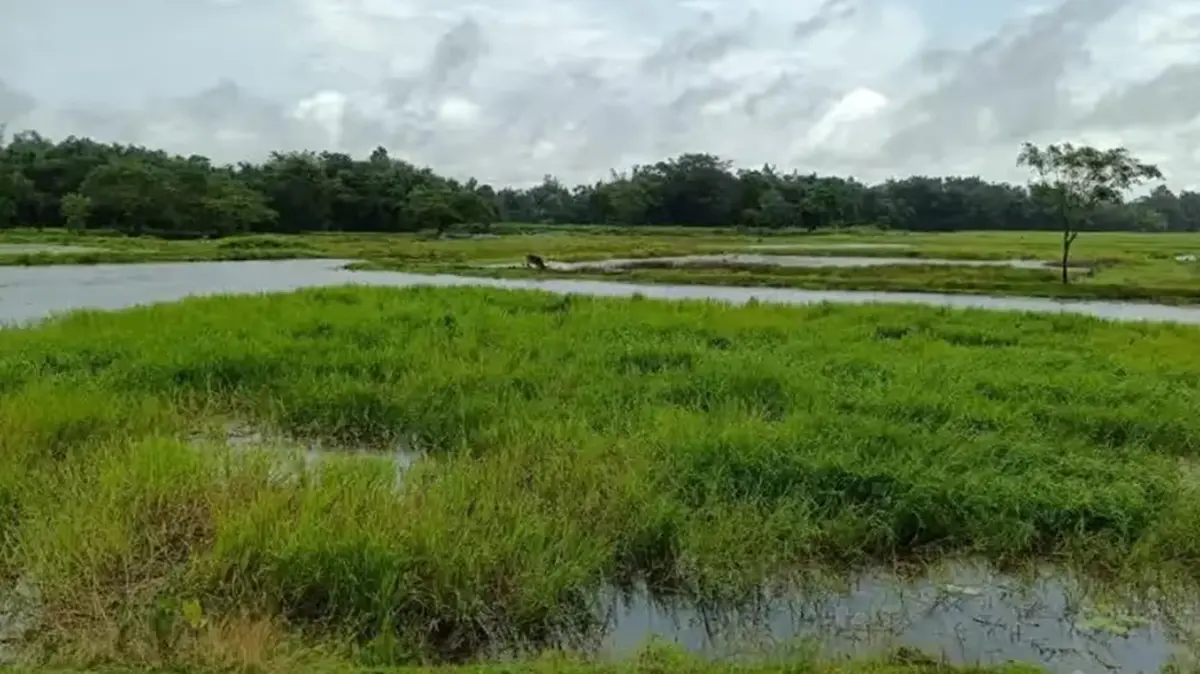
Assam’s State Biodiversity Board announced that a small wetland in Borjuli village, Sonitpur district, has been notified as a Biodiversity Heritage Site. The 0.41‑hectare marsh harbours a natural population of wild rice Oryza rufipogon, considered the ancestor of Asian cultivated rice. Officials said the designation will protect this valuable germplasm and promote community stewardship.
Background
India’s Biological Diversity Act allows state governments to declare Biodiversity Heritage Sites in consultation with local communities. Borjuli’s wetland sits on the floodplain of the Brahmaputra and was traditionally used for grazing. Botanists from the National Bureau of Plant Genetic Resources and Assam’s biodiversity board identified the presence of Oryza rufipogon there. This wild species is adapted to water‑logged, acidic soils and possesses genes for pest resistance and salinity tolerance. These traits have been used to breed high‑yielding varieties of rice worldwide.
Key points
- The Borjuli site covers only 0.41 hectares but hosts one of the few stable populations of Oryza rufipogon in India.
- The plant is a perennial wild relative of Oryza sativa and contributes genes for flooding tolerance, disease resistance and salt resilience.
- Conservationists warn that the habitat is threatened by encroachment, pesticide runoff and climate‑induced flooding.
- The declaration as a Biodiversity Heritage Site involves local residents in protecting the marsh while allowing sustainable harvesting of fodder and non‑timber products.
- The project is part of a larger initiative by the National Rainfed Area Authority and ICAR to conserve crop wild relatives in situ across India.
Conclusion
Borjuli’s new status highlights the importance of tiny ecosystems for global food security. Protecting wild rice populations ensures a reservoir of genes that breeders can tap to develop climate‑resilient crops. The success of this site could encourage other states to conserve crop relatives through community‑led approaches.