
Why in news?
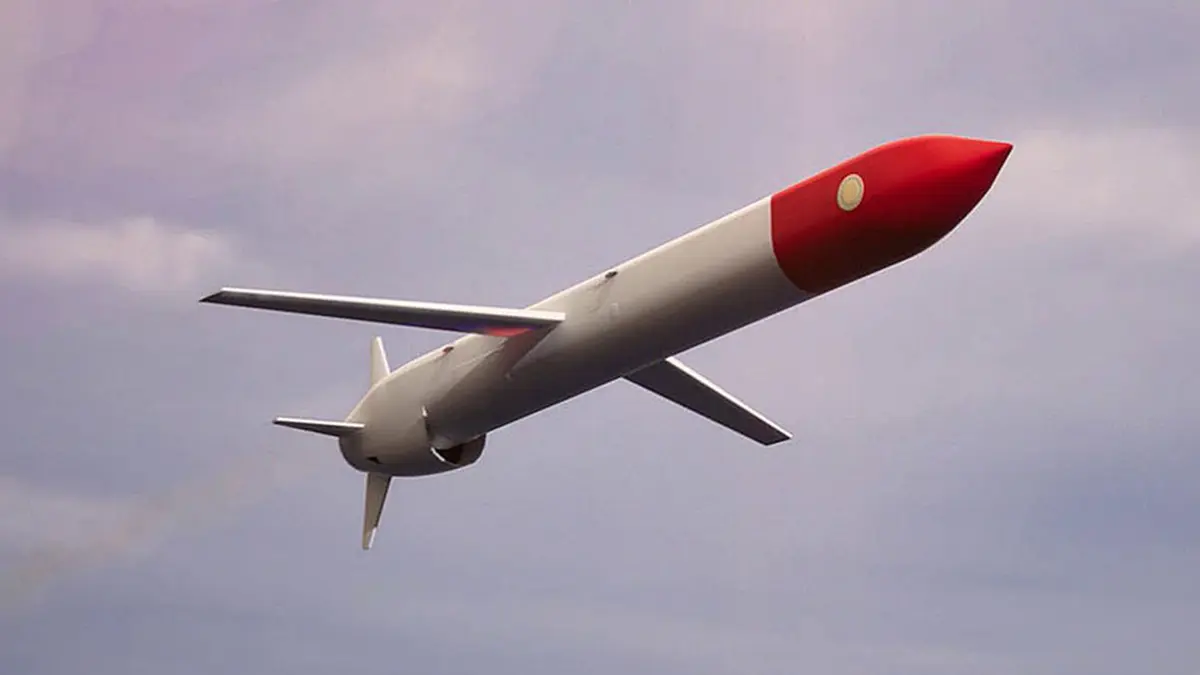
Russia’s 9M730 Burevestnik cruise missile, known to NATO as SSC‑X‑9 Skyfall, returned to headlines after researchers analysed recent flight tests. Russian officials claim the missile has near‑unlimited range and can evade air defences by flying at low altitudes. A test in October 2025 reportedly saw the missile travel about 14,000 kilometres in 15 hours, prompting renewed debate about its capabilities and risks.
Background
President Vladimir Putin unveiled the Burevestnik in 2018 as part of a suite of “strategic” weapons designed to bypass U.S. missile defences. The missile uses a small solid‑fuel booster to launch and then ignites a miniature nuclear reactor. Air drawn through the reactor is superheated and expelled to produce thrust. With no need for conventional fuel, the missile can in theory loiter for days and strike from unexpected directions. NATO analysts call it a ground‑launched, nuclear‑powered, nuclear‑armed cruise missile. Its Russian name means “storm petrel.”
Features and concerns
- Unlimited range: Nuclear propulsion allows the missile to travel thousands of kilometres, potentially even circumnavigating the globe before striking its target.
- Low altitude: Burevestnik reportedly flies 50–100 metres above the ground or sea, making detection difficult.
- Vulnerability and accidents: Western experts note that a slow, low‑flying missile may still be vulnerable to air defences. A 2019 test accident at Nyonoksa killed five Russian nuclear engineers, raising concerns about radioactive contamination.
- Strategic implications: By creating a weapon with unpredictable flight paths, Russia seeks to deter adversaries. The missile could carry a nuclear warhead and would likely be used after intercontinental ballistic missiles have disabled enemy defences.
Conclusion
The Burevestnik exemplifies how advances in propulsion technology are altering nuclear deterrence. While its claimed range is unprecedented, the missile’s environmental risks and questionable military value have drawn criticism. Arms control experts argue that transparent dialogue is needed to reduce the chances of accidents and miscalculation.