
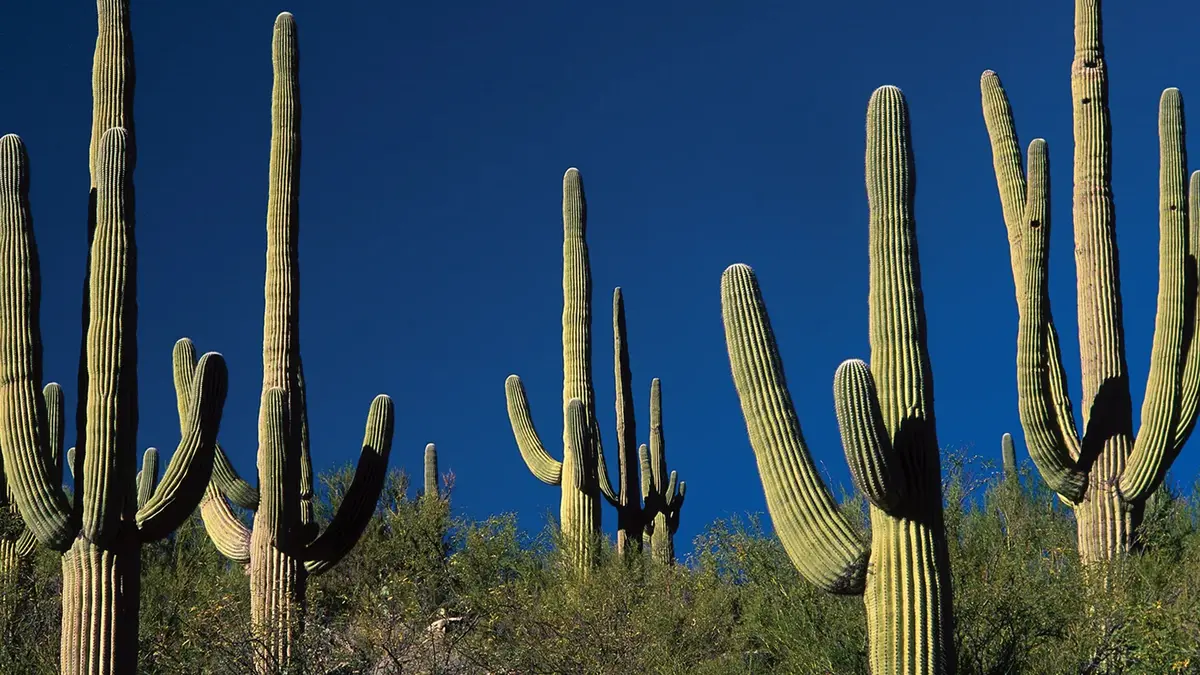
Why in news?
Scientists have found that cacti, despite being slow‑growing desert plants, diversify remarkably fast. A study of their evolution shows that the shape of cactus flowers—not their size—has been the key factor driving the formation of new species. The discovery challenges the old assumption that slow‑growing organisms evolve slowly and highlights the need to conserve these unique plants.
Background
Cacti are succulent plants native mostly to the Americas. They have fleshy stems that store water and spines that reduce water loss and protect them from animals. More than 1,800 species exist, ranging from tiny buttons to tree‑like giants. Historically, cacti evolved about 30 million years ago when the climate in parts of the Americas became drier. They were first described by European botanists in the 16th century, and their unusual forms soon fascinated plant collectors.
Key findings from the study
- Flower shape drives speciation: Researchers found that changes in the shape of cactus flowers—such as whether the bloom is narrow and tubular or wide and open—correlated strongly with the emergence of new species. This contrasts with the traditional view that flower size is the main driver of diversification.
- Fast diversification in deserts: Cacti form one of the fastest‑diversifying plant groups despite living in harsh, arid habitats. Deserts are not static wastelands; they are dynamic ecosystems where plants evolve rapidly to adapt to shifting conditions.
- Conservation concerns: Nearly one‑third of cactus species are threatened by habitat loss, illegal collection and climate change. Understanding how they diversify can help conservationists prioritise species and habitats for protection.

