
Why in news?
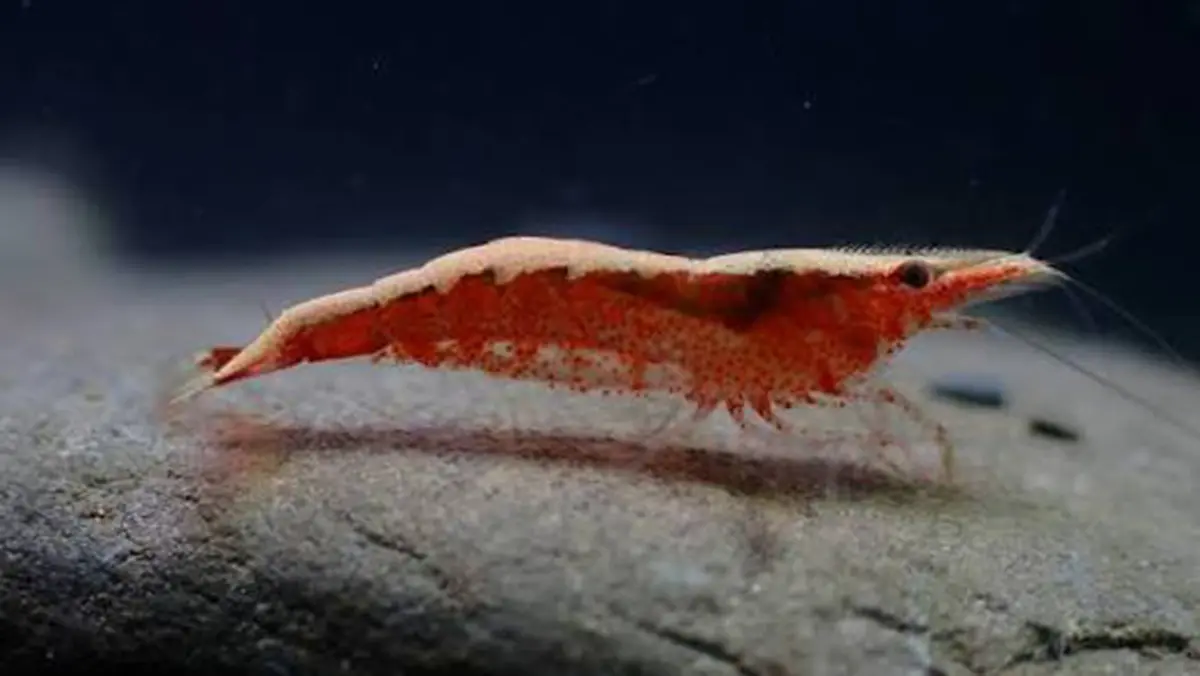
Researchers identified a new freshwater shrimp from the Gomti River. They named the tiny species Caridina sharmai. Surveys collected specimens near Lucknow during 2023 and 2024. It is the first atyid shrimp recorded from this river stretch.
Background
Caridina sharmai is a newly described freshwater shrimp from Uttar Pradesh’s Gomti River.
It belongs to Arthropoda, Crustacea and the freshwater shrimp family Atyidae.
The genus Caridina contains many small shrimps living in inland waters.
Taxonomic position
| Rank | Classification |
|---|---|
| Phylum | It belongs to Arthropoda. |
| Subphylum | It belongs to Crustacea. |
| Order | It belongs to Decapoda. |
| Infraorder | It belongs to Caridea, the true shrimps. |
| Family | It belongs to Atyidae. |
| Genus | Its genus is Caridina. |
Decapoda literally refers to ten-footed crustaceans, including shrimps, crabs and lobsters.
How was the species found?
- Researchers surveyed Gomti waters between Kudia Ghat and Gaughat during 2023 and 2024.
- Local fishers collected about 80 specimens, which researchers then examined carefully under microscopes.
- Distinct body features separated them from their closest known relatives.
A species description requires repeatable features, not merely unusual colour.
Why was it named sharmai?
The name honours Professor U D Sharma, a Lucknow zoologist who advanced regional crustacean research.
The scientific study of crabs, shrimps and other crustaceans is called carcinology.
Main identifying features
| Feature | Description | Simple meaning |
|---|---|---|
| Body length | Adults measured roughly 15 to 24 millimetres. | The animal is shorter than a common paper clip. |
| Rostrum | It has a short, knife-shaped front extension. | This structure projects forward above the mouth. |
| Upper rostral teeth | Researchers counted between 15 and 22 teeth. | These tiny projections help identify the species. |
| Lower rostral teeth | Researchers counted between four and nine teeth. | The pattern differs from related shrimps. |
| Telson | The tail section lacks a central spine. | This absence is a useful diagnostic feature. |
| Front legs | The first leg joints contain a deep hollow. | Their long hairs support scraping and filtering. |
Why are the brush-like hairs useful?
Long hairs collect small food particles and scrape algae growing upon submerged plants.
The shrimp also filters organic matter, helping recycle nutrients within the river’s food web.
Colour and camouflage
Wild specimens appeared dark brown or black, with stripes matching shadowed riverbed material.
Their colour faded towards transparency in aquariums, suggesting environmental influence upon pigmentation.
Habitat and behaviour
- The freshwater shrimps gather in groups around submerged river vegetation rather than marine habitats.
- Researchers observed calm behaviour, while vegetation supplied shelter, food surfaces and protection from currents.
The Gomti River connection
The Gomti is a left-bank Ganga tributary flowing entirely through Uttar Pradesh.
It passes Lucknow, Sultanpur and Jaunpur before joining the Ganga near Kaithi.
Why does this discovery matter?
- It expands biodiversity knowledge and shows that familiar urban rivers may contain undocumented species.
- It supplies baseline information that can guide pollution studies and protection of shallow habitats.
- It demonstrates the value of local fishers in scientific surveys.
A new name creates no automatic legal protection, so researchers must study distribution and population needs.
Conclusion
This tiny shrimp reveals how much biodiversity remains hidden within urban rivers.