

Why in news?
Celiac disease has gained attention as doctors urge greater awareness of this lifelong autoimmune disorder. Many Indians still remain undiagnosed despite experiencing persistent digestive problems. Understanding the condition is crucial because simple dietary changes can dramatically improve health.
Background
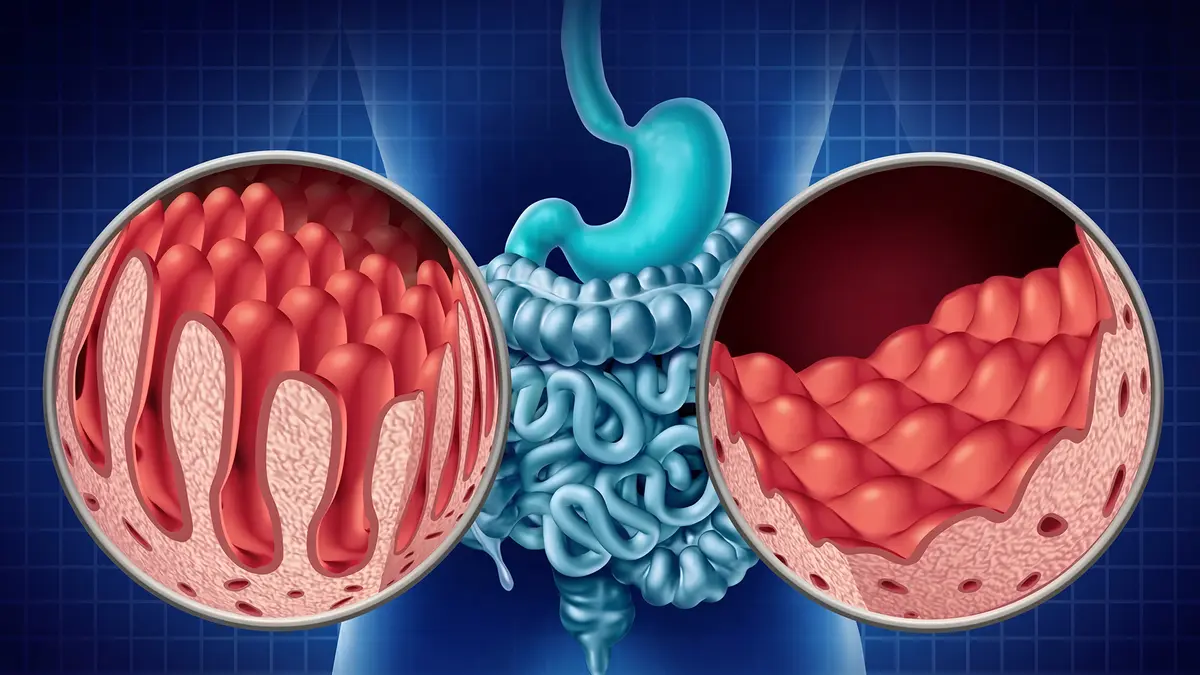
Celiac disease is triggered when a genetically susceptible person eats gluten, a protein found in wheat, barley and rye. The immune system mistakenly attacks the small intestine, damaging tiny finger‑like structures called villi that normally absorb nutrients. Damage to the villi leads to malabsorption and a wide range of symptoms.
Symptoms
- Digestive signs: Chronic diarrhoea, constipation, bloating, gas, abdominal pain, nausea and vomiting.
- Non‑digestive signs: Fatigue, weight loss, anaemia from iron deficiency, osteoporosis, mouth ulcers, headaches, numbness or tingling in the hands and feet, joint pain and elevated liver enzymes.
- In children: Poor growth, irritability, swollen belly, delayed puberty and neurological issues such as attention‑deficit/hyperactivity disorder.
Risk factors
Family history increases the risk of celiac disease. It is also more common in people with type 1 diabetes, Down syndrome, Turner syndrome and autoimmune thyroid disease. The exact cause is unknown, but genetics, gut bacteria and environmental triggers play a role.
Management
There is no cure, but a strict gluten‑free diet allows the intestines to heal and prevents complications. Patients must avoid wheat, barley, rye and foods containing them. Doctors may recommend supplements to correct nutrient deficiencies. People should consult a healthcare professional before starting a gluten‑free diet to ensure accurate diagnosis and proper nutritional guidance.
Conclusion
Celiac disease is a serious but manageable condition. Early recognition of symptoms and adherence to a gluten‑free diet can restore health and prevent long‑term complications. Increased awareness and screening, especially among high‑risk groups, will help more people receive timely treatment.
Source: News-Medical