
Why in news?
Gujarat reported seven laboratory-confirmed infections during a new outbreak. Three infected children died, while four remained under treatment. Eight other suspected samples were awaiting results. Every confirmed patient reported by 13 July was under ten.
Background
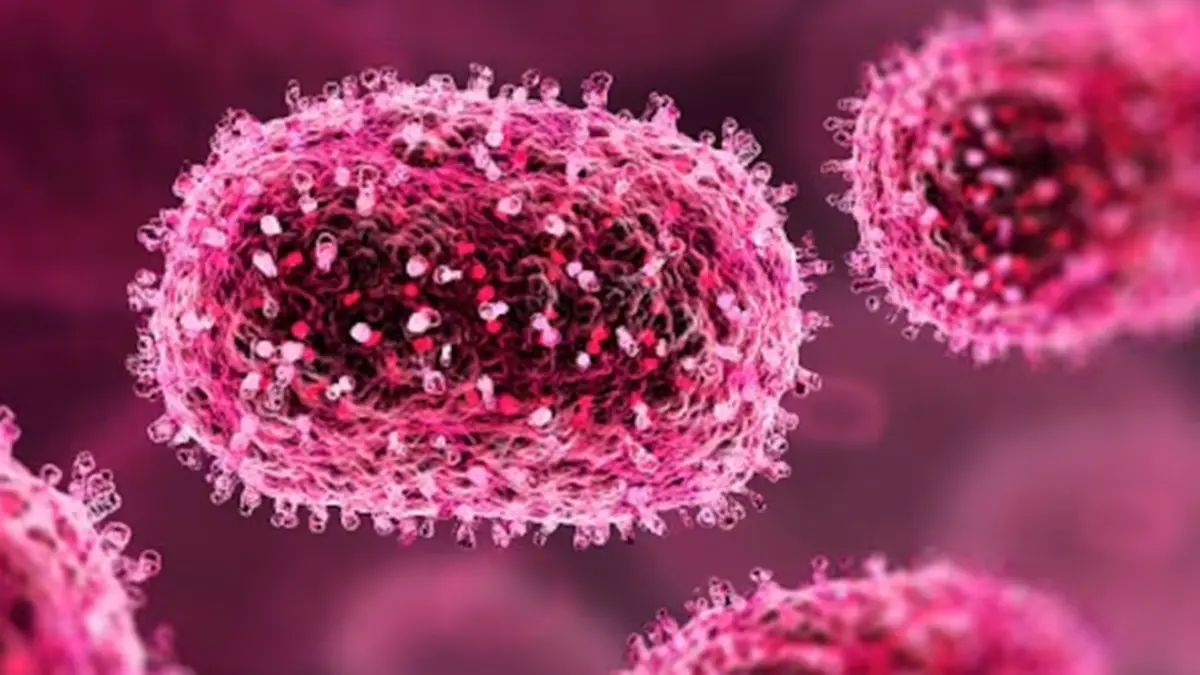
Chandipura virus can cause a rapidly worsening brain infection, and its current scientific species name is Vesiculovirus chandipura.
It belongs to the genus Vesiculovirus and family Rhabdoviridae. Rabies virus belongs to the same family but causes a different disease.
Scientists first isolated Chandipura virus in 1965, and the samples came from patients in Chandipura village in Maharashtra.
How has its outbreak history developed?
- The virus was first isolated in Maharashtra during 1965.
- Andhra Pradesh reported 329 suspected brain-inflammation cases during 2003.
- That outbreak caused 183 deaths, and a study linked it with this virus.
- In 2024, India recorded its largest related outbreak in twenty years.
- Gujarat then reported a fresh group of confirmed cases during 2026.
The World Health Organization noted recurring rises in Gujarat every four to five years. This pattern does not predict exact future dates.
How does the infection spread?
Sandflies are the best-recognised vectors in Indian outbreaks, and a vector carries an infectious agent between hosts.
The World Health Organization also mentions mosquitoes and ticks as possible vectors. Sandflies remain central to outbreak control in India.
The sandfly Phlebotomus papatasi has been linked with transmission in Gujarat. These tiny insects breed around moist organic matter and wall cracks.
No person-to-person transmission has been reported. Therefore, ordinary contact with a patient is not the recognised transmission route.
Cases mainly affect children below fifteen years, and monsoon conditions can increase vector breeding and human exposure.
What is acute encephalitis syndrome?
Acute encephalitis syndrome means sudden fever with signs of brain dysfunction. It is a clinical syndrome, not one specific disease.
Viruses, bacteria, parasites and toxins can all produce this syndrome, and Chandipura virus is only one possible cause.
Doctors use the term while the exact cause remains under investigation, and laboratory testing later confirms or excludes particular infections.
Remember: Acute encephalitis syndrome is a symptom-based category, and Chandipura infection is one disease that can cause it.
Which symptoms need urgent attention?
- Illness may begin with sudden high fever.
- Headache and repeated vomiting can follow.
- A child may develop seizures or unusual behaviour.
- Drowsiness can progress into loss of consciousness.
- Breathing and circulation may deteriorate rapidly.
Severe illness can worsen within forty-eight to seventy-two hours, and early referral is therefore essential, especially for children.
How is infection confirmed?
Symptoms alone cannot identify Chandipura virus, and doctors send blood or other suitable samples to specialised laboratories.
An immunoglobulin M enzyme-linked immunosorbent assay detects recent immune response, and reverse transcription polymerase chain reaction detects viral genetic material.
The second test is commonly shortened to RT-PCR, and collection time, sample quality and transport can affect test results.
Is there a specific treatment?
No approved vaccine or specific antiviral treatment is available, and medical teams provide rapid supportive care.
Support may include oxygen, fluids and seizure control, and intensive care can manage breathing failure and dangerous brain swelling.
Antibiotics do not kill viruses, and doctors may still use them while excluding treatable bacterial causes.
What were Gujarat’s latest figures?
The state reviewed twenty-seven suspected samples by 13 July 2026, and seven tested positive and twelve tested negative.
Among confirmed patients, three had died and four received treatment, while eight other results remained pending.
Two patients were treated in Gandhinagar and two in Vadnagar, and these figures form a dated outbreak snapshot.
Later totals may change when pending results arrive. Confirmed, suspected and pending cases should never be added as one category.
Counting rule: Seven cases were confirmed at the report time, and eight pending samples were not confirmed infections.
What happened during the 2024 outbreak?
The World Health Organization recorded 245 acute encephalitis cases and eighty-two deaths, and sixty-four cases had confirmed Chandipura infection.
Gujarat reported sixty-one confirmed cases, while Rajasthan reported three, and it was India’s largest such outbreak in twenty years.
The overall encephalitis count included cases with other or unknown causes. It cannot be treated as 245 confirmed Chandipura infections.
The World Health Organization reports historical case-fatality ratios of fifty-six to seventy-five per cent. This is not the 2026 outbreak rate.
How can outbreaks be controlled?
- Health teams should find fever and brain symptoms early.
- Suspected children need rapid transport to equipped hospitals.
- Indoor residual spraying can reduce sandfly populations.
- Homes should repair wall cracks and clear damp waste.
- Fine mesh, protective clothing and repellents reduce bites.
- Laboratories must return results quickly for targeted action.
- Communities need simple advice without panic or stigma.
Fogging may support local vector control but cannot replace sanitation. Sandflies can breed in places that routine mosquito action misses.
Conclusion
Chandipura infection can progress with alarming speed in children. Early care, accurate testing and sandfly control remain the strongest protections.