

Why in news?
New research has confirmed that seabird guano played a vital role in the rise of the Chincha Kingdom, a powerful coastal civilisation in pre‑Inca Peru. Isotopic analysis of ancient maize cobs shows that farmers fertilised their fields with nutrient‑rich seabird droppings, boosting yields and supporting a large population.
Background
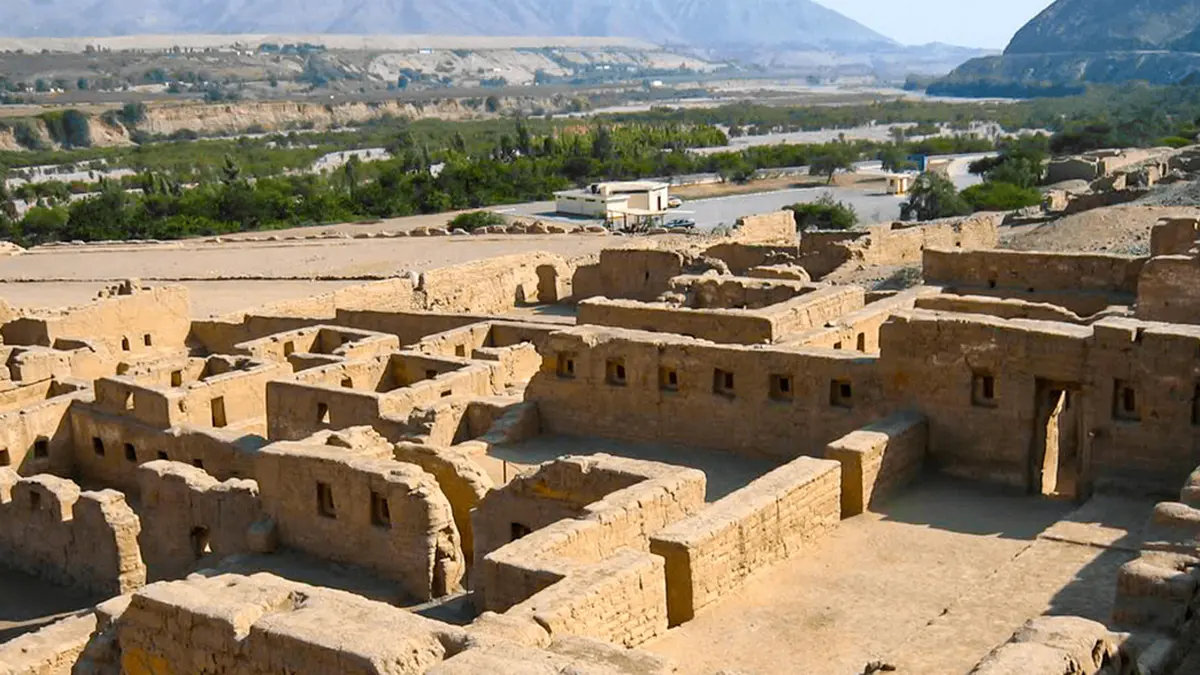
The Chincha Kingdom flourished between roughly 1000 and 1400 CE in the fertile Chincha Valley along Peru’s south‑western coast. The arid region receives little rain, but river irrigation created an oasis where agriculture and trade thrived. The Chincha built adobe pyramids at La Centinela and maintained extensive road and sea‑trade networks. According to Spanish chronicles, their realm included about 30,000 households and was famed for its fleets of sailing rafts.
Role of guano
- Natural fertiliser: The Chincha collected guano from nearby Chincha Islands, home to large colonies of seabirds such as guanay cormorants. Guano contains high levels of nitrogen and phosphorus, essential for crop growth.
- Boosting maize production: Chemical analysis of 35 maize cobs from Chincha tombs reveals very high nitrogen levels, indicating intensive fertilisation with seabird droppings by at least 1250 CE.
- Cultural significance: Artworks from the period often depict seabirds, fish and maize together, suggesting people recognised the ecological relationships sustaining their society.
Political implications
- Economic power: Access to “white gold” (guano) allowed the Chincha to grow abundant maize, supporting a population estimated at over 100,000 and enabling them to trade surplus along land and sea routes.
- Inca alliance: When the Inca Empire expanded in the 15th century, it incorporated the Chincha through a strategic alliance rather than military conquest, partly due to the value of their guano resources.
- Colonial decline: After the Spanish conquest in the 16th century, the Chincha population collapsed due to disease and political turmoil, and their guano trade fell under colonial control.
Sources: Earth.com