

Why in news?
Cholanaikkan families attended a special public-services camp near Nilambur. Twenty community members travelled from remote forest settlements. Officials issued health cards, caste certificates and other documents. The event highlighted persistent barriers to essential public services.
Background
The Cholanaikkan community lives mainly within the Nilambur forests of Kerala's Malappuram district. Settlements occur around the Karulai and Chungathara forest ranges. Their language belongs to the Dravidian language family.
The community traditionally depended upon hunting, gathering and collecting non-timber forest produce. Honey, medicinal plants and other forest materials supported exchange and household needs. Livelihoods have changed through conservation rules, markets, schooling and government programmes.
Some families historically used natural rock shelters called alai or kallulai. Others now live in houses or use mixed seasonal arrangements. Describing every Cholanaikkan person simply as a cave dweller therefore freezes a diverse community in time.
The government classifies the Cholanaikkan as a Particularly Vulnerable Tribal Group. This administrative category identifies Scheduled Tribe communities needing focused support. It should not be treated as a judgement about intelligence or cultural worth.
The August 2026 outreach
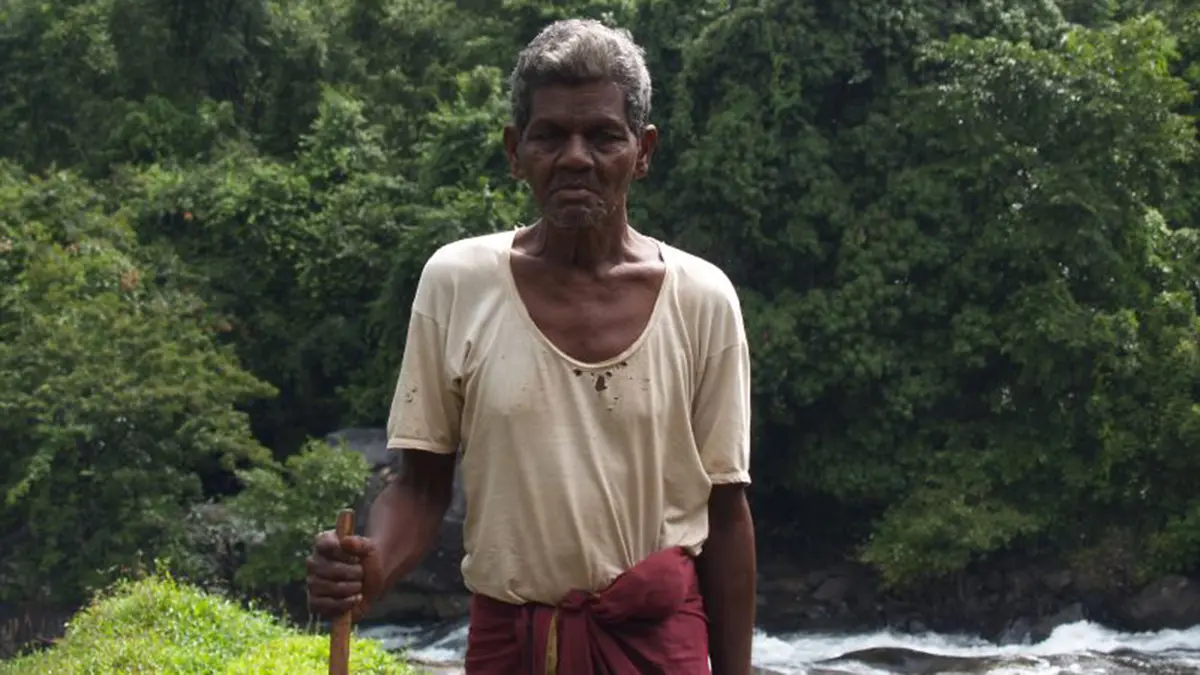
Members travelled from Mancheeri and the Vadakkekotta Hills for the Nilambur camp. Six people led by elder Mathan walked nearly eight kilometres to Chakkikuzhi Forest Station. Forest officials then transported them to the administrative event.
Officials reported that five members received health cards and caste certificates. Two people received bank accounts, while one obtained a ration card. In total, twenty Cholanaikkan participants attended for different official documents.
Such documents connect people with subsidised food, health care, banking and scholarships. Caste certificates may also establish eligibility for constitutionally recognised safeguards. However, documentation alone cannot guarantee that a service reaches a remote settlement.
Why ordinary administration becomes difficult
Remote forest paths make repeated travel costly; seasonal rain can further isolate settlements. Standard forms may also require addresses, records or digital access that residents do not possess.
Language differences can obstruct applications; officials may overlook customary names or family structures. Biometric failures and inconsistent records create further difficulty for mobile populations.
Outreach camps reduce travel but need follow-up; bank accounts require reachable banking services. A health card matters only when culturally respectful care is accessible.
Rights, welfare and cultural autonomy
The Forest Rights Act, 2006 recognises eligible individual and community forest rights. Its full name covers Scheduled Tribes and other traditional forest dwellers. Claims require careful, participatory verification through local institutions.
Kerala's Kudumbashree supports tribal neighbourhood groups; its Shelter initiative works across Nilambur's tribal communities. Such programmes combine livelihoods, education, health and access to entitlements.
Public policy should avoid forced assimilation or romantic isolation. Communities need genuine choices about schooling, housing, livelihoods and cultural practice. Consent and community participation are especially important during relocation or conservation decisions.
Documentation without cultural erasure
Identity systems often assume permanent addresses, while forest place names may be absent from government databases. Administrations should adapt their procedures, using mobile enrolment and community verification instead of treating residents as irregular.
Certificates should be usable and explained, including their purpose, validity and replacement process. Secure copies can prevent repeated journeys, while personal data should remain protected within small communities.
Cholanaikkan population figures vary because definitions, settlement coverage and spellings produce different totals. Every precise number needs a date and source, while small populations require stronger privacy safeguards.
Education works best when it respects language and forest knowledge, while bridge centres can support formal schooling. Adult services should remain available regardless of literacy, expanding choices without demanding cultural abandonment.
Conclusion
The Nilambur camp removed several immediate administrative barriers. Durable inclusion requires repeated doorstep services that respect forest rights, language and community choice.