
Why in news?
India helped develop seven food-standard texts adopted at a global meeting. The meeting occurred in Geneva during 6–10 July 2026. New work on an international cashew-kernel standard also received approval. India gained a leadership role in work on emerging foods.
Background
The Codex Alimentarius Commission is the global body for international food standards, and it was established in 1963.
The Food and Agriculture Organization and the World Health Organization jointly run it, and both are specialised United Nations agencies.
The Commission protects consumer health and promotes fair food trade. Its secretariat operates from the Food and Agriculture Organization’s headquarters in Rome.
The name “Codex Alimentarius” means “food code.” It refers to the resulting collection of standards, guidelines and codes.
Do not confuse: The Commission is the decision-making body, and the Codex Alimentarius is the collection of agreed food texts.
Who belongs to the Commission?
The Commission has 189 members, and these comprise 188 countries and the European Union.
India became a member in 1964, and national delegations participate through expert committees and international sessions.
Governments negotiate texts using scientific advice, and consumer, industry and civil-society organisations may participate as observers.
What subjects do Codex texts cover?
- Food hygiene texts reduce contamination and food-borne disease.
- Residue limits cover pesticides and veterinary medicines.
- Contaminant limits address substances like toxins and heavy metals.
- Labelling standards help consumers understand packaged foods.
- Commodity standards define quality and safety requirements.
- Sampling and analysis methods support comparable laboratory results.
Separate expert committees prepare technical drafts, and the full Commission then considers them for adoption.
Are Codex standards legally binding?
Codex texts are international recommendations, but they do not automatically become national law after adoption.
Each government decides how to incorporate them into domestic rules, and national authorities may adapt standards to local risks.
However, Codex has special importance within the World Trade Organization, and its food-safety standards serve as recognised international references.
A country may choose stronger measures when science supports them, and such measures should not become disguised restrictions on trade.
Prelims fact: Codex operates under a joint food-standards programme of the Food and Agriculture Organization and the World Health Organization.
What happened at the 2026 session?
The Commission held its forty-ninth session in Geneva, and India chaired or co-chaired work behind seven adopted texts.
India chaired work on standards for dried coriander seeds, and it also chaired work concerning fresh curry leaves.
India co-chaired five additional areas:
- A commodity standard covered vanilla.
- Another commodity standard covered large cardamom.
- New annexes addressed safe water reuse in food production.
- Guidance addressed Campylobacter and Salmonella in chicken meat.
- Labelling provisions covered joint presentations and multipacks.
Campylobacter and Salmonella are important causes of food-borne illness, and control must cover farming, processing, storage and cooking.
What happened to India’s cashew proposal?
The Commission approved India’s proposal for new work on cashew kernels. A specialised committee will now develop the proposed standard.
The Codex Committee on Processed Fruits and Vegetables will handle this work. Negotiations will consider safety, quality and trade needs.
Status caution: Approval of “new work” starts standard-making, but it does not mean a final cashew standard already exists.
India is a major cashew producer and processor, and a clear international standard can improve consistency across export markets.
What new leadership role did India receive?
India became co-chair of an electronic working group, and the group examines New Food Sources and Production Systems.
This broad subject includes emerging foods and new production technologies, and examples can include cell-based foods and precision fermentation products.
The group will review existing frameworks and gaps in risk analysis, and it may recommend future international guidance.
A co-chair helps organise discussion and draft material, but it cannot decide global standards alone.
Who represented India?
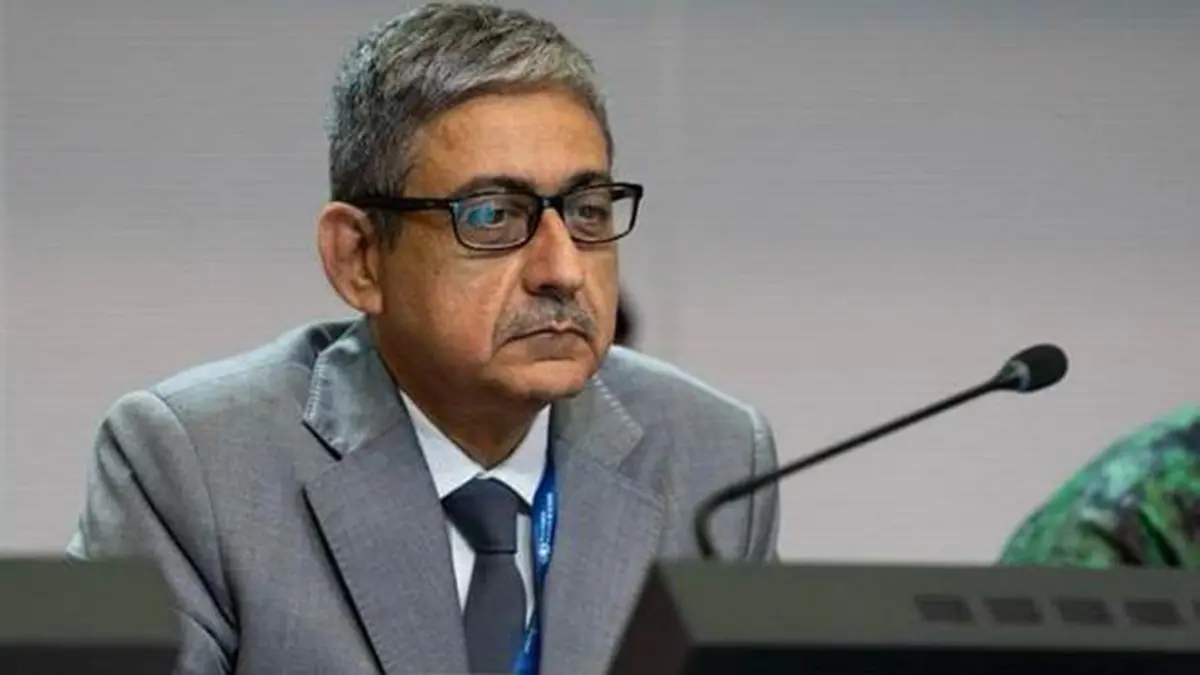
Rajit Punhani led India’s delegation, and he is Chief Executive Officer of the Food Safety and Standards Authority of India.
Experts from that authority and the Spices Board joined the delegation, and their participation connected domestic experience with international negotiations.
The Food Safety and Standards Authority of India regulates food safety under Indian law. It operates under the Union Health Ministry.
Why does the outcome matter for India?
- Common standards can reduce unnecessary export barriers.
- Spice standards can reflect Indian production knowledge.
- Safe water reuse can reduce pressure on freshwater supplies.
- Poultry guidance can lower food-borne illness risks.
- Clear multipack labels can improve consumer information.
- Early participation can shape rules for new food technologies.
International influence also brings domestic responsibility, and India must align testing, enforcement and producer training with accepted safety principles.
Conclusion
India’s 2026 role strengthened its voice in global food rules, and effective domestic implementation will determine the practical benefits.